
Why your toddler’s teeth look yellow near the gums
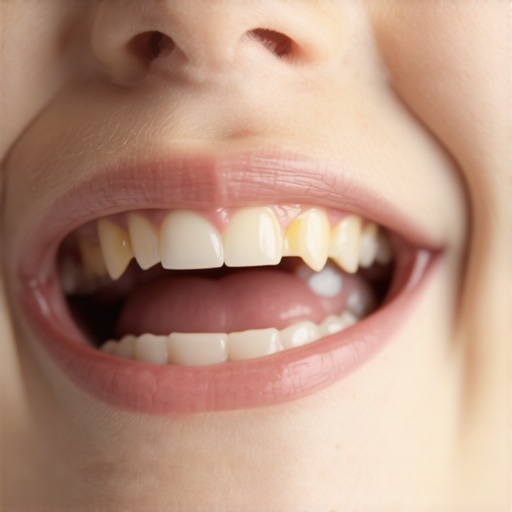
It hits me one morning during our usual brush time. My toddler’s tiny teeth, usually sparkling, suddenly looked dull and a bit yellow near the gums. I felt a flicker of worry—what’s going on? I wondered if I overlooked something, or if this was just a temporary change. That moment sparked a realization that many parents might miss: the appearance of yellowish areas near a child’s gum line can be more than just a surface issue; it could be a sign that requires our attention and understanding.
Spotting the Yellow Tint: A Common but Confusing Issue
When I first noticed these yellowish patches, I worried about cavities, staining, or poor oral hygiene. But as I dug deeper, I learned that the reasons behind this discoloration can vary—from natural developmental changes to early signs of trapped plaque or mineral buildup. Understanding the difference is vital because it determines whether we need to seek professional advice or just tweak the daily routine.
Is It Just Coffee Stains or Something More Serious?
Initially, I made the mistake of thinking that regular brushing and rinsing would solve the problem—think, more brushing equals whiter teeth. However, early on, I realized that aggressive scrubbing can actually irritate gums and mask underlying issues. Instead, focusing on gentle techniques and professional guidance proved more effective. If you’re noticing similar discoloration, don’t dismiss it as just staining; consult your family dentist to rule out other concerns. Want to learn how to handle these signs effectively? Check out top oral health tips for bright smiles.
What Causes the Yellowing Near Gums? A Closer Look
One surprise I discovered is that the visibility of yellowish hues can be linked to enamel development, especially in young children. Their enamel, the hard outer layer, isn’t always fully matured, and sometimes mineral deposits or minor plaque accumulation near the gum line create this coloration. Sometimes, the natural eruption process brings about temporary color changes. Furthermore, dietary habits—like frequent sugary snacks or juice consumption—can contribute. The key is to recognize what’s normal and when it’s a sign of potential issues that need professional attention.
If your child’s teeth are displaying similar signs, it’s understandable to feel concerned. But many parents overlook these subtle changes, only to realize months later that simple early intervention could have made a difference. Having faced this myself, I learned that early consultation isn’t just about fixing; it’s about prevention and peace of mind. Curious about how modern family dentistry addresses these initial signs? Read more about Invisalign benefits for kids.
In the next sections, I’ll share practical steps I took—based on expert advice—to help my child maintain healthy, bright smiles and how you can do the same.
,
Start with a Gentle, Thorough Oral Hygiene Routine
My first action was to revise my child’s brushing technique, making sure it was gentle yet effective. I used a soft-bristled toothbrush and a pea-sized amount of toothpaste suitable for children, instructing my son to brush in small circles. I discovered that aggressive scrubbing can aggravate gums and obscure early signs of plaque buildup. Consistency is key—brushing twice daily for at least two minutes, focusing on gum line areas, helps remove plaque that can cause discoloration. To reinforce the habit, I turned it into a fun routine, singing a song together or using a timer. Remember, regular brushing reduces the risk of developing stubborn plaque and tartar buildup that can appear yellow under the gums.
Implement Proper Flossing Techniques
Flossing was the next crucial step. I used pediatric floss picks designed for tiny fingers, gently working between the teeth to dislodge food particles and soft plaque near the gum line. Flossing is like cleaning the edges of a fence—reaching where toothbrushes can’t—preventing plaque from hiding in hard-to-reach spots. I demonstrated the proper technique to my child, ensuring no undue pressure was applied to avoid gum irritation. Regular flossing, at least once a day, helps prevent mineral deposits and early-stage plaque that manifest as yellowish areas, especially near erupting or developing teeth.
Recognize When Natural Changes Occur
Understanding the natural development stages of teeth is essential. In my child’s case, some yellow hints near the gums were temporary, resulting from enamel maturation and eruption processes. I learned that temporary coloration is common during teething phases due to mineral deposits. To monitor progress, I kept a detailed oral health diary, noting any changes. This documentation proved invaluable when consulting our dentist later. Recognizing early signs of normal development helps avoid unnecessary worry and ensures timely professional advice when needed. If you’re curious about modern family dentistry methods that address such developmental signs, visit Invisalign’s role in pediatric care.
Adjust Dietary Habits for Better Oral Health
I paid close attention to my child’s diet, reducing sugary snacks and juice consumption that feed plaque-causing bacteria. Think of food as fuel—what we give our teeth impacts their health directly. Replacing sugary treats with crunchy fruits and vegetables helps naturally clean teeth surfaces and stimulate saliva production, which neutralizes acids. I also limited acidic drinks that can erode enamel, making teeth more prone to discoloration. Incorporating calcium-rich foods supports mineralization, reinforcing enamel’s resilience. These small dietary shifts can significantly diminish plaque formation and the appearance of yellowish areas near the gums over time.
Seek Professional Guidance When in Doubt
Even with diligent oral care, persistent discoloration warrants professional evaluation. I scheduled an appointment with our family dentist to rule out issues like early caries, mineralization, or other underlying concerns. During the visit, specific tools and expertise allowed the dentist to assess whether the yellow hues were benign or signs of a developing problem. Our dentist explained that some mineral deposits, if left unaddressed, could harden into calculus, which is much harder to remove at home. Regular check-ups, every six months, serve as a safety net to catch issues early. To facilitate this, I contacted our dental team through their contact page for scheduling.
Explore Advanced Solutions if Necessary
In cases where natural methods don’t improve the coloration, professional procedures like polishing or even placing a protective crown might be recommended. Think of a crown as a sturdy helmet that encases a vulnerable tooth—restoring both function and appearance. Before proceeding, a thorough consultation ensures the right fit and long-term benefits. I also researched the latest innovations, like Invisalign’s family benefits, which, while mainly used for alignment, exemplify how modern dentistry combines aesthetics with health—that’s a mindset I want for my child’s smile.
Avoid Quick Fixes and Focus on Consistency
Finally, I avoided quick whitening treatments or home remedies that sounded tempting but lacked scientific backing. Instead, I trusted evidence-based practices and maintained consistent care routines. Remember, like building a solid foundation for a house, sustained daily efforts produce the best, lasting results. If you’re interested in how specific dental restorations can boost confidence and long-term health, consider reading about crowns’ impact on oral health.
While many believe that brushing more vigorously leads to cleaner teeth, this common misconception can actually cause gum recession and enamel erosion, making your teeth more susceptible to sensitivity and decay. Evidence from the Journal of Clinical Periodontology highlights that aggressive brushing increases the risk of periodontal damage, underscoring the importance of gentle, proper techniques. When it comes to dental restorations, such as crowns, many assume that choosing the cheapest option guarantees longevity. However, shortcuts in material quality or improper placement can result in porcelain chipping or gum irritation over time. It’s crucial to select experienced professionals—like those detailed in our comprehensive guide on long-lasting crown options. With Invisalign, a common myth is that it’s only suitable for minor corrections. On the contrary, recent studies reveal that advanced aligner technology can effectively treat complex cases, rivaling traditional braces in many scenarios. For a deeper dive into what modern Invisalign can achieve, check out Invisalign innovations. In family dentistry, the misconception that children don’t need professional cleanings until permanent teeth erupt delays necessary preventive care. Regular visits during early childhood establish healthy habits and prevent early decay, as emphasized by pediatric dental experts. Are you aware of the subtle nuances in your child’s oral health routine? Let’s dig deeper into these hidden truths—have you ever fallen into this trap? Let me know in the comments.
How do I maintain my dental tools and techniques over time?
Maintaining your oral health routine isn’t just about daily habits—it’s equally about caring for the equipment that supports your efforts. For instance, I personally swear by using an ultrasonic cleaner for my electric toothbrush head after every few weeks of intensive use. This device effectively removes bacteria, plaque, and mineral deposits that regular rinsing might miss, ensuring my toothbrush remains hygienic and effective. According to dental research, maintaining your tools can extend their lifespan and improve cleaning efficiency, directly contributing to better oral health outcomes. Using professional-grade interdental brushes and floss tips, I ensure these are replaced regularly—ideally every three months—to prevent bacterial buildup and avoid inefficient cleaning. Experienced family dentists often recommend replacing toothbrushes after illness or when bristles show signs of wear, as worn bristles are less effective and can harbor pathogens.
In terms of software, I use a dedicated dental health app to track my routine adherence and remind me when it’s time to replace tools or schedule check-ups. These digital tools can sync with your calendar, making maintenance convenient and consistent. Moreover, integrating professional services like periodic teeth cleanings and check-ups helps maintain the health of not just your teeth but also the longevity of your dental restorations, such as crowns or Invisalign aligners. Keep in mind that modern dental technologies, like 3D scanning and digital impressions, are advancing, making future maintenance more precise and less invasive. As an example, Invisalign’s innovations are leading toward self-maintenance features built into the trays, reducing the need for frequent professional adjustments—yet, regular monitoring remains essential. Looking ahead, I predict that smart dental devices with Bluetooth connectivity will become mainstream, allowing real-time monitoring and maintenance alerts straight from your smartphone.
To effectively sustain your oral health, consider adopting a multi-layered maintenance approach: combine specialized cleaning devices, respectful replacement schedules, digital tracking, and regular professional care. Whether you’re managing crowns, Invisalign, or family dentistry routines, staying proactive can ensure your investments in dental health last longer and perform better. Curious about technical insights? Check out Invisalign’s future innovations and how they can streamline your maintenance routine.
Don’t forget to try integrating a high-frequency ultrasonic cleaner for your toothbrush head—it’s a small step that makes a significant difference in long-term oral hygiene success. Regular tool maintenance is the unsung hero of lasting smiles!
What I Wish I Knew About Early Signs That Go Beyond Surface Looks
One of my biggest lightbulb moments was realizing that subtle discolorations near a child’s gums often indicate more than just surface staining; they can be telltale signs of enamel immaturity or early plaque buildup. Recognizing these early signals has been crucial in preventing bigger issues down the line, saving time, money, and my child’s comfort.
Why Relying Solely on DIY Solutions Can Delay Important Care
Initially, I thought regular brushing would fix everything, but I soon discovered that gentle, expert-guided interventions made a genuine difference. DIY remedies can mask problems temporarily, but true health comes from professional assessments and targeted treatments, like those discussed at top oral health tips.
The Power of Preventive Habits and Their Long-Term Impact
Establishing a routine of gentle brushing, flossing, and dietary awareness in my child’s early years has been transformative. These habits do more than improve appearance—they fortify teeth against future decay and discoloration, especially when supported by regular dental visits, which help catch issues before they escalate.
Embracing Modern Family Dentistry Without Fear
From digital impressions to minimally invasive treatments, I’ve seen how advances like Invisalign and tailored crowns can provide beautiful, durable results that blend seamlessly with your child’s natural smile. Learning about these options reassured me that high-tech dentistry prioritizes health and aesthetics equally.
Breaking Free From Common Myths to Protect Your Little One’s Confidence
Dispelling misconceptions, like believing that only severe issues warrant professional care, has empowered me to be proactive. Early intervention, even for minor discolorations or developmental changes, reinforces a healthy relationship with dental health and keeps my child feeling confident about his smile.
Insider Wisdom for Lasting Smiles
- Patience Over Pressure: Gentle techniques and reassurance beat aggressive brushing—children’s gums are delicate, and soft approaches yield better health.
- Know When to Seek Expert Help: Regular dental check-ups aren’t just about cleaning—they’re about catching those early signs that could otherwise be overlooked.
- Diet Matters More Than You Think: Limiting sugary snacks and drinks can drastically reduce plaque formation and discoloration near the gums.
- Use Technology to Your Advantage: Digital tracking apps and professional tools help maintain consistent routines and catch issues early.
- Have Confidence in Modern Solutions: Treatments like crowns and Invisalign are not only safe but also highly effective in preserving and enhancing your child’s oral development.
Tools That Make a Difference in Maintaining Real Results
- Invisalign innovations — for discreet, effective alignments that fit busy family lives.
- Crowns — providing durable protection and aesthetic enhancement especially for young or vulnerable teeth.
- Expert guidance — ensuring you choose and maintain the best solutions for your child’s ongoing oral health.
- Regular dental visits — your safety net to spot and address issues early and keep smiles bright.
Your Voice Matters: Let’s Keep the Conversation Going
Have you ever noticed early signs in your child’s teeth that worried you but turned out to be benign? Or perhaps you’ve faced challenges implementing consistent oral hygiene routines. Share your experiences below—your story might inspire another parent to take timely action and help demystify the world of family dentistry.