
Why your gums bleed only when you eat apples
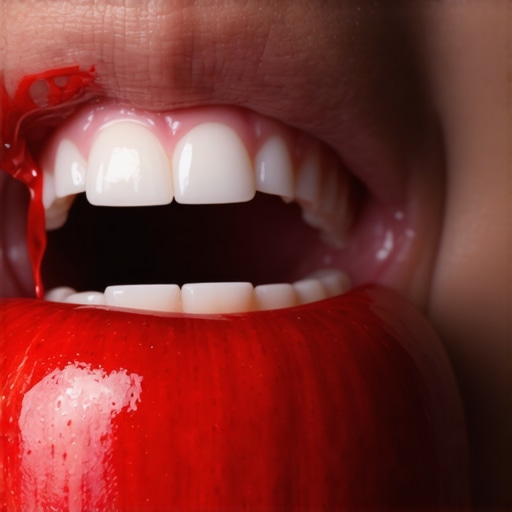
It was one of those mornings, the sun was just peeking through the curtains, and I reached for a crunchy apple. As I took a bite, a sudden, unexpected sensation hit me—my gums started bleeding. I was puzzled because I’d always thought bleeding gums were a constant problem, not something that only flared up with certain foods like apples. Have you ever experienced something similar? That lightbulb moment made me realize that this peculiar reaction isn’t just an odd quirk—I knew it was a sign telling me I needed to dig deeper into my oral health.
Why Your Gums Bleed When You Eat Apples and What It Means for Your Oral Health
Many people brush off bleeding gums as insignificant or purely cosmetic. But whenever gums bleed during specific activities, like biting into an apple, it hints at underlying issues that deserve attention. It might seem like a small annoyance, but it can be a warning sign of gum disease, sensitive tissue, or even enamel problems. The good news? With some understanding and proper care, you can address the root cause before it becomes more serious.
Is Your Fruit Eating Habit Causing Trouble? Think Again
Early on, I made a mistake—assuming that eating apples with delicate gums was harmless. Turns out, I was ignoring signs of irritation and inflammation that, if left unchecked, could have progressed into periodontitis. This experience taught me the importance of listening to my body and checking in with a dental professional when symptoms like bleeding show up during specific activities.
According to studies, bleeding gums are often linked to plaque buildup and gum inflammation, which can weaken the tissue, making it prone to bleeding—even from simple actions like chewing or biting into a crunchy fruit. For more insights on effective ways to prevent and treat gum issues, you might find this [guide on deepening your understanding of crowns](https://familydentistpro.com/the-ultimate-guide-to-crowns-for-a-healthier-smile) helpful.
Now, understanding why this happens is just the beginning. Next, we’ll explore practical steps to protect your gums, improve your oral hygiene, and ensure that your favorite snacks, like apples, remain a healthy part of your diet without causing trouble. So, if you’ve experienced bleeding gums during your apple crunch, get ready. We’ve got some real, actionable advice coming up.
Mastering Proper Oral Hygiene Techniques for Healthy Gums
Start by using a soft-bristled toothbrush and gentle circular motions to clean your gums twice daily. I remember my messy first attempt—scrubbing too hard, which caused more irritation. Now, I lightened my grip and focused on gentle strokes, noticing less bleeding and healthier tissue over time. This simple change can significantly reduce inflammation and bleeding, especially when your gums are sensitive due to underlying issues.
Floss Like a Pro: Removing Plaque Without Damage
Proper flossing is crucial to prevent plaque accumulation that irritates gums. Use a gentle sawing motion and curve the floss around each tooth, avoiding snapping it into your gum tissue. I once hurried through flossing and caused pain—after switching to slow, careful movements, my gums felt less inflamed. Consistency and correct technique keep your gums firm and decrease bleeding episodes.
Implementing Targeted Mouth Rinses for Quick Relief
Using a saltwater rinse can soothe inflamed tissue—mix half a teaspoon of salt in warm water and swish for 30 seconds. I added this step after experiencing bleeding during meals; the warmth and salt helped reduce tenderness quickly. Incorporating antiseptic mouthwashes with chlorhexidine, as recommended by my dentist, can also combat bacteria that cause gum disease. Regular use stabilizes gum health and lessens bleeding episodes during eating.
Choosing the Right Dental Products for Sensitive Gums
Opt for toothpaste formulated for sensitive gums, containing ingredients like potassium nitrate or stannous fluoride. I switched from regular fluoride toothpaste to a gel designed for gum sensitivity—immediately, my gums felt calmer, and bleeding lessened. Avoid abrasive whitening products that can erode enamel and worsen irritation. Selecting gentle, targeted products makes a measurable difference in managing bleeding and promoting tissue healing.
Scheduling Regular Dental Check-Ups to Catch Issues Early
Regular visits allow your dentist to identify early signs of gum disease or enamel erosion. During my first appointment after noticing bleeding, my dentist cleaned plaque buildup and applied fluoride. This professional intervention halted progression and set me on a healthier path. Routine check-ups, at least twice a year, provide personalized advice and prevent small issues from turning into serious problems.
Embracing a Balanced Diet Supporting Gum Health
Eat foods rich in vitamin C and calcium to strengthen tissues and combat inflammation. I added citrus fruits and dairy to my meals—my gums responded positively with less bleeding after a few weeks. Avoid sugary and acidic foods that can irritate your mouth, especially if you notice bleeding after certain snacks. A diet attentive to oral health fuels healing and sustains long-term gum integrity.
Identifying When Advanced Treatment Is Necessary
If bleeding persists despite good hygiene, consult a professional about treatments like deep cleaning, scaling, or even crowns if enamel damage is significant. I once ignored persistent bleeding; it worsened, leading to more invasive procedures. Seeking early intervention prevents complications like periodontitis and preserves your natural teeth. Remember, addressing stubborn bleeding early is vital to maintaining a healthy smile.
When it comes to restoring your smile, many individuals rely on popular beliefs that may actually misguide their choices and affect their overall oral health. One pervasive myth is that all dental crowns are created equal, leading many to choose cheaper options without understanding the hidden nuances that influence their longevity and impact. In reality, the quality of materials and the expertise of the dentist play critical roles, as detailed in this comprehensive guide on [choosing the right crown](https://familydentistpro.com/choosing-the-right-crown-expert-advice-for-long-lasting-results). This misconception can result in crowns that chip, discolor, or fail prematurely, costing you more in the long run.
A common trap in family dentistry is thinking that basic cleaning suffices for all ages, but the truth is that children and adults often require tailored approaches. For example, children with developing jaws need monitoring beyond routine cleanings, as explained in [this article on family dentistry trends](https://familydentistpro.com/family-dentistry-trends-improving-oral-health-for-all-ages). Ignoring these nuances can lead to overlooked decay or misaligned teeth, which may worsen over time.
Many believe that Invisalign is only for minor orthodontic issues, but the technology has advanced, allowing for correction of complex cases using [modern innovations](https://familydentistpro.com/invisalign-innovations-the-future-of-family-dentistry-revealed-at-1137-am). Conversely, some think Invisalign is a quick fix, but treatment durability depends on adherence and proper monitoring. Missing this distinction can lead to unsatisfactory results and the need for additional procedures.
A notable error many make is assuming that oral health products are interchangeable. Not all toothpastes or mouthwashes suit every condition; for instance, those with sensitive gums should opt for specific formulations, as discussed in [effective oral hygiene techniques](https://familydentistpro.com/top-oral-health-tips-for-your-familys-bright-smiles). Using the wrong products can exacerbate issues like gum recession or enamel erosion, which are often misunderstood.
Let’s dig a bit deeper into the science behind these misconceptions. Did you know that the durability of crowns greatly depends on proper fitting techniques and cementation, as emphasized in [this expert advice](https://familydentistpro.com/why-crowns-are-a-game-changer-in-restorative-dentistry)? Poorly fitted crowns can trap bacteria, leading to decay and potential tooth loss, a risk many overlook. Similarly, with Invisalign, misunderstanding the importance of auxiliary attachments and proper wear schedules can extend treatment time unnecessarily, as highlighted in [this detailed review](https://familydentistpro.com/invisalign-myths-debunked-what-you-need-to-know-today).
**What most people get wrong about oral health tools** is not just the choice but the technique and frequency of use. Brushing too aggressively, for instance, can damage gums and enamel, counteracting their intended benefits. According to dental research, gentle, circular brushing with a soft brush is most effective and safe.
It’s essential to recognize that these nuances are not mere technicalities but fundamental aspects that influence your dental health outcomes. Cutting corners or trusting oversimplified narratives can lead to preventable complications. For a thorough understanding and to avoid these pitfalls, consulting with a family dentist who stays updated with the latest research and techniques is invaluable.
Have you ever fallen into this trap? Let me know in the comments, and share your experiences with misconceptions about crowns or Invisalign. Knowledge is your best shield against costly mistakes on your journey to a healthier, more confident smile.
Maintaining Your Dental Investments with Precision Tools
Ensuring the longevity of dental crowns and Invisalign treatments requires not only good habits but also the right equipment. I’ve personally found that investing in a high-quality electric toothbrush, like the Philips Sonicare DiamondClean, makes a significant difference. Its sonic technology provides gentle yet effective plaque removal, crucial for maintaining crowns and overall gum health. Additionally, a water flosser such as the Waterpik Ultra helps clean around braces, veneers, and between teeth where traditional floss often misses. These tools are proven to reduce plaque and promote healthier gums, supporting your long-term oral health goals.
How do I maintain my dental tools over time?
Proper maintenance extends the lifespan of your investment. Regularly replace toothbrush heads every three months and clean your water flosser according to the manufacturer’s instructions. Store your tools in a dry, ventilated area to prevent bacteria buildup. Using specialized sterilizing solutions weekly can further ensure hygiene, especially if multiple family members use the same device. Staying diligent with tool care means your equipment will perform optimally, helping to avoid issues like crown loosening or gum irritation down the line. For more insights on family-friendly dental care techniques, check out this article on modern family dentistry trends.
Impact of Digital Tools in Family Dentistry
Advancements in digital impressions, like intraoral scanners, allow for highly precise moldings of crowns and aligners. I’ve adopted devices such as the iTero Element to capture quick, painless scans. This technology not only increases the accuracy of restorations but also shortens turnaround times. The future trend? Integration of AI-powered software that predicts long-term wear or failure points in your dental work, providing proactive maintenance tips. Embracing these innovations means fewer surprises and more confidence in your smile’s durability.
Looking Ahead: The Future of Dental Maintenance
Prediction suggests that smart technology, integrating sensors into crowns or aligners, will monitor oral health in real-time, alerting you and your dentist to early signs of deterioration. This trend will empower patients to act before minor issues become costly repairs, resembling the way wearable health devices function. Staying ahead requires not just choosing quality materials but also adopting smart tools for vigilant care. For a deeper dive into how Invisalign is evolving, read this detailed overview of Invisalign innovations.
Throughout my journey with dental care, I’ve uncovered lessons I wish I had known earlier—things that can save you time, money, and discomfort. First, choosing the right crown isn’t just about the appearance; it’s about material quality and expert fitting, which directly influence durability and your overall oral health. I learned that trusting your dentist’s expertise and understanding the differences in crown materials can make all the difference in long-term satisfaction. Additionally, I realized that family dentistry isn’t one-size-fits-all; tailored approaches tailored for children, teens, and adults help prevent issues before they become costly treatments. When it comes to Invisalign, I discovered that the technology isn’t just for minor corrections; advanced techniques now allow for complex teeth alignments, making clear aligners a versatile option. Lastly, maintaining your dental investments requires smart tools—like high-quality toothbrushes and water flossers—that keep crowns and appliances clean, extending their lifespan and ensuring your smile remains radiant. Recognizing these subtle yet vital insights has transformed my approach to oral health, and I hope sharing them empowers you to make more informed choices for your smile’s future.