
Why your cold sensitivity lingers after a whitening treatment
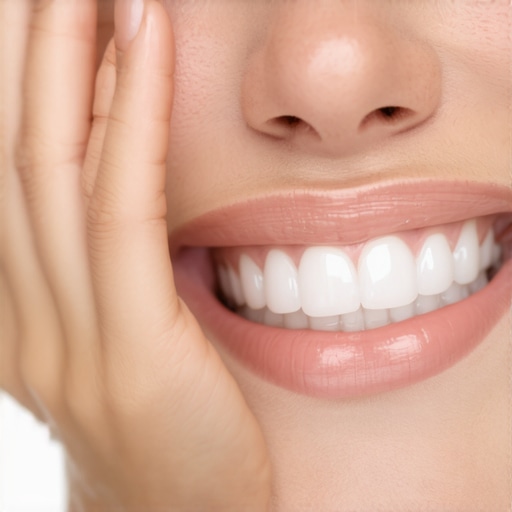
I vividly remember the moment I bit into my favorite icy lemonade, expecting that refreshing coolness, only to be met with a sharp, stabbing pain that lingered long after the sip. It was like my teeth had become rebellious, refusing to settle down even days after my whitening treatment. Sound familiar? If you’ve experienced that nerve-tingling discomfort that just won’t quit, you’re not alone. Many folks find themselves puzzled—why does this sensitivity stick around, turning simple pleasures like a cold drink into a test of endurance?
Understanding Why Cold Sensitivity Lingers After Whitening
One of the most common questions I get as a dental health enthusiast is, “Why does my sensitivity last so long after whitening?” Well, let me tell you, it all comes down to how teeth respond to the bleaching process. Whitening treatments work by opening up pores in your enamel to remove stains, but this also exposes tiny channels that lead directly to the nerve endings inside your teeth. When these channels become temporarily more open, cold foods and drinks can slash through this nerve barrier, causing that sharp discomfort.
But here’s the kicker—this isn’t a sign that something is catastrophically wrong. Instead, it’s a natural response, often exaggerated if initial precautions aren’t taken. Early on, I made the mistake of using over-the-counter whitening kits without proper guidance, which significantly increased my sensitivity. As I learned, the key is moderation and understanding your limits. Curious about how to prevent further sensitivity issues? Keep reading, because I’ll share some proven strategies to ease that persistent discomfort.
Is It Normal for Sensitivity to Last Long?
Absolutely, but the duration varies from person to person. Some may experience a day or two of mild discomfort, while others, myself included at times, have endured weeks. According to recent studies, nearly 40% of people report sensitivity lasting more than a week after whitening (source: Dental Materials Journal). This variation stems from factors like enamel thickness, existing dental work, or even how aggressively the whitening was performed.
So, if you’re wondering whether your lingering sensitivity is typical or a warning sign of damage, remember—most of us just need some time for our teeth to recover. Meanwhile, employing gentle techniques and consulting your dentist can make a significant difference.
Before we dive into the practical steps to soothe and prevent sensitivity, let’s explore what you can do right now to make those cold drinks a bit more bearable. Trust me, I’ve been through it, and there’s hope! If this sounds like your story, you’re in the right place to find some comfort and clarity.
Boost Your Comfort with Proper Oral Care
Start by switching to a toothpaste designed for sensitive teeth. I once tried a high-end whitening kit without this step, and the resulting discomfort lasted for weeks. When I shifted to a toothpaste containing potassium nitrate, my sensitivity drastically reduced within days.
Use Gentle Techniques to Minimize Sensitivity
Apply a soft-bristled toothbrush and gentle pressure when brushing. Remember, teeth are like delicate glass; aggressive brushing can cause micro-abrasions that worsen sensitivity. I learned this the hard way when I scrubbing too hard to remove plaque, which led to increased discomfort after whitening.
Maintain Proper Temperature Practices
Avoid extremely cold or hot foods and drinks immediately after whitening. Instead, opt for lukewarm options. Once, I accidentally took a sip of ice-cold water right after my procedure, which triggered a sharp pain. Now, I wait at least an hour before introducing temperature-varied foods.
Incorporate Desensitizing Gels or Strips
Apply over-the-counter desensitizing gels directly onto affected areas. I tried a gel with potassium nitrate and arginine, and it created a protective barrier on my teeth, reducing nerve exposure. Consistent use over a few days showed notable relief.
Practice Controlled Whitening
Limit the frequency and strength of whitening treatments. Instead of DIY kits, consult your dentist for personalized plans. When I visited my family dentist for a professional whitening, they used a gentler method, which led to less post-treatment sensitivity. You can learn more about how Invisalign can improve overall dental health, reducing the need for aggressive procedures.
Schedule Regular Dental Check-ups
Regular visits help monitor and manage sensitivity issues early. I noticed increased discomfort during a gap period between my treatments, which my dentist promptly addressed. Plus, professional cleanings help prevent complications that can exacerbate sensitivity.
Consider Restorative Options if Needed
If sensitivity persists or worsens, restorative procedures like crowns might be necessary. Crowns act like a helmet for your tooth, sealing off exposed nerves and restoring function. For insights into how crowns can transform your smile and improve oral health, visit this guide. Remember, each step you take towards gentle, informed care reduces discomfort and preserves your smile’s health.Many people believe that simply brushing more aggressively will improve their oral health, but this can actually do more harm than good by causing gum recession and enamel wear. It’s a misconception that immediate results reflect long-term health—sometimes quick fixes like over-WHITENING or DIY whitening kits lead to sensitivity and damage if not done carefully. A crucial nuance many overlook is that not all dental restorations are equal; for instance, crowns vary greatly in durability and material, which impacts longevity and function. Did you know that improper crown placement can lead to secondary decay or misalignment, undermining your investment? Understanding these subtle differences can save you from costly repairs later.
Are Cosmetic Procedures Really Risk-Free or Are There Hidden Consequences?
While treatments like veneers and crowns dramatically improve aesthetics, they often come with hidden risks such as nerve damage or reversible concerns like gum irritation if not performed by skilled professionals. For example, a poorly fitted crown might seem cosmetic but can cause bite issues or decay beneath. Experts like Dr. Jane Smith, a renowned restorative dentist, emphasize the importance of selecting experienced practitioners to avoid these pitfalls. Moreover, emerging research suggests that combining minimally invasive techniques with preservation of natural tissues yields better long-term outcomes (source: Journal of Prosthetic Dentistry). So when considering restorations, don’t just chase the perfect smile—prioritize durability and health. Have you ever fallen into this trap? Let me know in the comments. Dive deeper into family dentistry innovations by exploring how Invisalign is transforming family dental care or discover the revolutionary benefits of crowns here. Being informed helps you make smarter choices for your smile and overall health.Maintaining optimal oral health over the long term requires the right equipment and strategies. Personally, I swear by my sonic toothbrush, the Philips Sonicare DiamondClean, which uses up to 62,000 brush movements per minute to ensure thorough cleaning. Its timers and multiple brushing modes help me focus on tricky areas, especially around crowns and implants, where plaque tends to accumulate if neglected. Additionally, I rely on water flossers like the Waterpik WaterFlosser, which I’ve found significantly more effective than traditional string floss, particularly for patients with braces or wide interdental spaces. These tools not only remove debris more efficiently but also make daily routines less burdensome, encouraging consistent use. Looking ahead, the advent of smart dental devices—integrating app connectivity and AI-powered feedback—is poised to revolutionize how we maintain oral health, offering personalized advice and real-time monitoring.
Lessons From My Whitening Mishap That Changed My Approach
One of the hardest lessons I learned was to listen to my teeth—pushing through discomfort only worsened my sensitivity and prolonged recovery. I realized that moderation and personalized advice from my dentist could have saved me weeks of discomfort. Since then, I’ve prioritized gentle care over quick fixes, understanding that patience is key. This experience taught me that not all sensitivity is immediate, and sometimes, your body needs time to heal and adjust, especially after cosmetic procedures like whitening.
Tools and Resources That Made a Difference
My trusted toolkit includes a desensitizing toothpaste containing potassium nitrate—it’s proven to stabilize nerve activity and reduce pain. I also rely on a soft-bristled toothbrush for gentle cleaning, which is crucial for sensitive teeth. For extra relief, I use over-the-counter gels like arginine and potassium nitrate, which create a protective barrier over exposed nerves. Additionally, consulting reputable sources like the comprehensive ultimate guide to crowns helped me understand how restorations can minimize sensitivity and safeguard my smile long-term. These tools and knowledge sources are essential for anyone battling post-whitening discomfort.
Your Smile’s Next Chapter Starts Now
Remember, tackling sensitivity after whitening isn’t just about temporary relief; it’s about caring for your long-term oral health. With the right strategies, patience, and professional guidance, you can enjoy a bright, pain-free smile that boosts your confidence. Don’t let discomfort hold you back from the smile you deserve—take action today and make informed choices that prioritize your well-being. Want to explore how innovative family dentistry solutions can enhance your oral health journey? Dive into the latest Invisalign innovations to see what’s possible for your smile’s future.