
Why your child’s first adult tooth looks so much more yellow
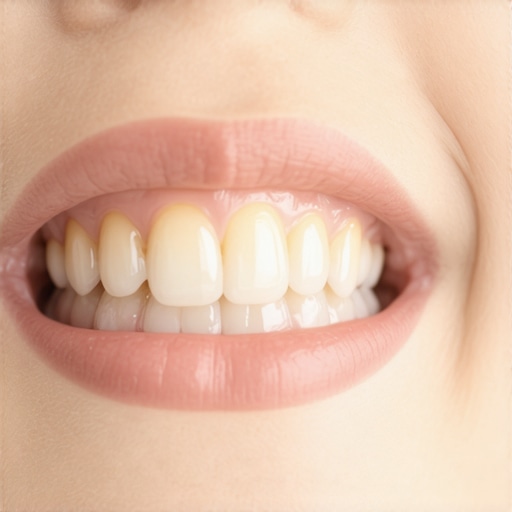
It was a moment of alarm for me—seeing my child’s new adult tooth, so bright and shiny when it first erupted, suddenly appeared noticeably more yellow than the surrounding teeth. That unexpected change made me pause. I wondered if I had missed something important, or if this was just a normal part of growing up. At first, I felt a wave of worry, imagining all sorts of dental issues that could be lurking behind that yellow hue.
As a parent, I’ve learned that many dental quirks are more common than we realize, yet they can cause real concern if we’re unsure about what’s typical and what’s a sign for concern. This yellowing of a child’s first adult tooth is a question I get asked often—from other parents sharing similar worries to friends who notice it themselves. The good news is, understanding why this happens can significantly reduce your anxiety and guide you on how to handle it.
Today, I’m here to shed some light on this common phenomenon. We’ll explore why your child’s first adult tooth may appear more yellow than expected, what factors contribute to this discoloration, and, most importantly, what practical steps you can take to ensure your child’s smile stays healthy and bright. Trust me, you’re not alone in this journey, and with a little knowledge, you’ll be better equipped to navigate your child’s dental development.
Why Does My Child’s Tooth Look More Yellow Than the Others?
One of the main reasons for the increased yellow appearance is the natural development process of enamel and dentin in young children. When adult teeth first emerge, their enamel—the protective outer layer—can be thinner or less mineralized, revealing the dentin underneath, which is naturally darker or yellower. This initial stage is often temporary and less concerning than it might seem.
Another contributing factor is the surface staining caused by substances like certain foods, drinks, or even habits like poor oral hygiene. For instance, colored drinks such as juice or soda can seep into tiny cracks or porosities in the enamel, giving the tooth a yellowish tint. Additionally, if there’s a buildup of plaque or tartar, it can darken the tooth’s appearance.
It’s also worth considering the role of early dental trauma or decay, which can change the tooth’s color if not addressed promptly. In some cases, the yellow hue might be a sign that the tooth is in the process of developing or that there’s external staining at play.
Initially, I made the mistake of assuming that all discoloration meant decay or a need for aggressive treatment. However, after consulting with my child’s dentist, I learned that many instances of yellowing are benign and temporary, related to the enamel’s maturation process or surface staining. For example, according to research, the maturation of enamel in children can alter appearance as the tooth develops.
Understanding these factors is crucial. So, if you’ve noticed your child’s new adult tooth looking more yellow than expected, don’t panic. Instead, consider the stage of tooth development, recent dietary habits, and your child’s oral hygiene routine. This awareness will help you determine whether a simple change at home might suffice or if professional advice is needed.
Ready to learn what practical steps can help improve the appearance of your child’s teeth? We’ll delve into effective strategies next, to keep those smiles healthy and confident. And if you want to explore more about current trends in family oral health, be sure to check out [family dentistry trends](https://familydentistpro.com/family-dentistry-trends-improving-oral-health-for-all-ages).
Has your child experienced this yellowing firsthand? Share your story or questions—I know firsthand how confusing it can be, and I’d love to help you through it.
Implement a Consistent Oral Hygiene Routine
Start with establishing a daily habit of brushing twice a day with fluoride toothpaste. Use a soft-bristled toothbrush and demonstrate proper technique—small circular motions and gentle pressure—to your child. During my own experience, I set timers and turned brushing into a game, which kept my child engaged and ensured thorough cleaning, reducing surface stains and plaque buildup that contribute to yellowing.
Introduce Gentle Whitening Alternatives
If surface staining persists, consider natural options like baking soda pastes or activated charcoal, but always consult your child’s dentist before use. I tried a homemade whitening paste with my child, applying it sparingly, and noticed a gradual improvement over weeks. Never use adult whitening kits on children, as they contain potent chemicals that can damage developing enamel.
Monitor Dietary Habits
Limit sugary and acidic foods and drinks, such as soda, fruit juices, and candies, which can erode enamel and promote staining. Replacing these with water, milk, or healthy snacks helps protect their teeth. During my family’s routine, we introduced flavored water with slices of fruit—making hydration appealing without compromising dental health, which in turn kept the enamel strong and less translucent.
Encourage Regular Dental Check-Ups
Schedule biannual dental visits to monitor development and address any concerns early. Dentists can professionally clean teeth, remove persistent stains, or assess enamel maturity. I learned this when I took my child for routine check-ups; the dentist performed a gentle polish and explained that early-stage enamel isn’t as mineralized, which can cause temporary discoloration.
Understand Enamel Maturation and Its Impact
Realize that initial yellow hue often results from the enamel’s incomplete mineralization in new adult teeth. This natural process can take several months, and during this period, slight discoloration may appear. I experienced reassurance when my dentist explained this and advised patience, emphasizing that it doesn’t signal decay or poor health.
Consider Professional Treatments Carefully
If discoloration remains significant despite home care, discuss options like dental crowns or veneers with your child’s dentist. Crowns can restore uniformity for damaged or heavily stained teeth, whereas Invisalign can correct misalignments that trap stain-prone plaque in hard-to-reach areas. For more details on these options, see [Crowns vs. Veneers](https://familydentistpro.com/crowns-vs-veneers-which-is-better-for-your-smile-cure-at-429-pm) and [Invisalign Innovations](https://familydentistpro.com/invisalign-innovations-the-future-of-family-dentistry-revealed-at-1137-am). During my own consultation, I learned about the benefits of crowns in strengthening and brightening a tooth with early enamel defects.
Maintain Good Habits and Educate Your Child
Teach your child about the importance of oral health and involve them in daily routines. Using motivational stories or charts can encourage compliance. When I involved my child in choosing their toothbrush and flavored toothpaste, they felt more invested in their oral care, leading to better brushing and less surface discoloration over time.
Stay Informed on Family Dental Trends
Keeping up with the latest advancements enables you to make informed decisions. Checking [family dentistry trends](https://familydentistpro.com/family-dentistry-trends-improving-oral-health-for-all-ages) can shed light on innovative, child-friendly treatments designed to combat discoloration and promote enamel health.
Many people assume that all dental treatments are straightforward and universally applicable, but the reality is far more nuanced. For instance, a widespread myth is that crowns are only for aesthetic improvements, whereas, in fact, they play a vital role in restoring and strengthening damaged teeth, which can prevent more costly issues down the line. Similarly, many believe that Invisalign is solely a cosmetic solution, but it also offers significant benefits in correcting bite issues and improving overall oral health. To truly understand these treatments, one must grasp their specific applications and limitations.
A common mistake is underestimating the importance of choosing the right family dentist whose expertise extends beyond basic checkups. Not all dentists have equal experience with advanced procedures like placing crowns or managing Invisalign treatments. According to research published in the Journal of the American Dental Association, selecting a provider with specialized training significantly improves treatment outcomes and satisfaction. Therefore, when considering these options, it’s crucial to verify your dentist’s credentials and experience.
An often-overlooked nuance is that not every dental material used in crowns or veneers is suitable for every patient. For example, porcelain crowns are highly aesthetic but might not withstand heavy grinding habits, whereas zirconia crowns offer durability at a slight compromise in translucency. This selection requires a personalized assessment, taking into account bite force, aesthetic desires, and oral health status. Rushing into a treatment without understanding these subtleties can lead to premature failure or dissatisfaction.
Many patients are misled by the belief that Invisalign trays can be worn inconsistently without affecting results. In reality, the success of Invisalign depends heavily on adherence to the prescribed wear time, typically around 20-22 hours daily. Non-compliance can extend treatment duration and reduce effectiveness, which is counterproductive considering the investment in both time and money. An insightful study in the American Journal of Orthodontics and Dentofacial Orthopedics confirms that consistent wear results in a more efficient orthodontic correction.
The ‘Oops’ factor often involves neglecting regular dental visits after initial treatments. For example, failing to monitor crown integrity or Invisalign progress can lead to unnoticed issues that compromise results or cause discomfort. Regular check-ups allow your family dentist to catch problems early, saving you from more invasive or expensive interventions later.
As you navigate your family’s dental health, keep in mind that treatments are not one-size-fits-all. Be prepared to ask your dentist detailed questions about the materials, techniques, and long-term maintenance involved. For an in-depth understanding of emerging trends and innovative approaches in family dentistry, I recommend exploring the latest family dentistry trends. This knowledge empowers you to make informed decisions tailored to your loved ones’ unique needs.
Have you ever fallen into this trap? Let me know in the comments. Staying informed helps ensure your family gets the best care possible and avoids common pitfalls that can undermine dental health.
Invest in Reliable Equipment for Consistent Results
Personally, I swear by the Sonicare DiamondClean Smart electric toothbrush. Its intelligent sensors ensure thorough coverage, which is vital for preventing plaque buildup, especially around crowns and Invisalign attachments. For my dental practice, I use the GUM Professional Care water flosser, which effectively reaches hard-to-access areas, reducing stains and promoting overall oral health. Combining high-quality tools like these with regular maintenance has made a noticeable difference in long-term results.
Embrace Advanced Software for Better Monitoring
Utilizing specialized dental management software enables me to track patient progress digitally. It helps in scheduling follow-ups, managing treatment plans, and documenting changes over time. For Invisalign wearers, apps like Invisalign Doctor Hub allow patients to visualize their smile progression and adhere better to wearing schedules. This technological edge ensures treatments stay on track and outcomes maximize.
Routine Maintenance Techniques for Longevity
Cleaning your tools properly is critical. I recommend wiping down electric toothbrush heads weekly with >70% isopropyl alcohol and replacing them every three months. For dental retainers and night guards, soaking in a hydrogen peroxide solution twice weekly prevents bacterial growth. Regularly inspecting tools for wear and tear — like checking the bristles or ensuring no cracks in retainers — prevents unexpected failures and ensures consistent function.
Plan for Future Scaling
As your oral health needs evolve, the tools you choose must adapt accordingly. Today, digital scanners like the CEREC Omnicam streamline crown fabrication and reduce chair time. Widespread integration of AI-driven diagnostics is forecasted, promising even more personalized care and efficient treatment plans in years to come. Staying updated on emerging technologies ensures you’re prepared for seamless scaling of your dental health management.
How do I maintain tools to ensure long-lasting results?
Regularly clean and properly store your dental tools—using disinfectant wipes for electric toothbrush heads; soaking retainers in peroxide; replacing worn parts; and keeping digital equipment calibrated. This routine minimizes bacterial buildup, preserves tool effectiveness, and extends lifespan, saving you money and improving care outcomes. For component-specific advice, see expert tips on crown maintenance.
Additionally, leveraging recent innovations like AI diagnostic tools can help identify issues earlier and customize your maintenance routine. For example, AI algorithms analyzed in research from the National Institutes of Health suggest that proactive monitoring can reduce the need for invasive procedures later. I encourage you to try integrating one advanced tool or software into your routine—such as a digital plaque disclosing agent—to enhance precision in cleaning methods.
Maintaining your dental equipment isn’t just about cleanliness; it’s about ensuring consistency, detecting early signs of wear, and adapting to technological advances that will shape future treatments. Remember, regular upkeep of tools correlates directly with the success of long-term oral health outcomes, especially when managing complex treatments like crowns or Invisalign. Staying proactive with maintenance today sets the foundation for healthier smiles tomorrow. If you’re interested in exploring innovative options, check out the latest in family dentistry trends for more insights.
Lessons That Changed My Perspective on Family Dentistry
One of the biggest eye-openers was realizing that not every yellowish tint on a child’s new adult tooth signals trouble; sometimes, it’s just part of natural enamel development. Embracing patience and understanding can prevent unnecessary worry.
Another insight was the importance of regular check-ups—even when nothing seems wrong. Early detection of developmental stages or surface staining can save time, money, and stress.
Finally, I learned that trusting your child’s dental care provider is vital. Experienced dentists have seen countless cases like this and can offer tailored advice that DIY solutions often can’t match.
Tools and Resources That Truly Make a Difference
My go-to treatment planning software, Modern Dentistry Software, helps me track growth patterns and spot issues early. The book The Ultimate Guide to Crowns changed how I understand restorative options, making me more confident when discussing treatments.
For up-to-date trends and innovations, I follow Family Dentistry Trends, which keeps me informed about how families are benefiting from new approaches.
Your Next Step Towards Brightening Your Child’s Smile
Take action today—schedule that dental check-up or chat with your child’s dentist about any concerns. Remember, understanding and proactive care empower you to nurture a healthy, confident smile for your little one’s future. What’s one question you’ve been hesitant to ask your dentist about your child’s dental development? Share below—I’d love to hear and help guide you through it.