
The 10-second test for bad breath
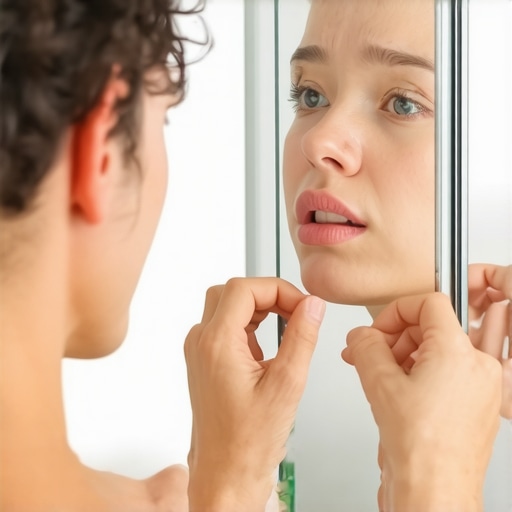
I remember the moment vividly. I was chatting with a friend, laughing about a funny story, when suddenly, I caught a whiff of my own breath. Panic set in. How could I have missed this? It’s a feeling many of us dread—realizing there’s a potential problem with our breath and feeling utterly powerless to confirm it. That lightbulb moment led me down a rabbit hole of wondering: Is there a quick, reliable way to tell if my breath’s okay without asking everyone I meet? Luckily, I discovered a simple test—just 10 seconds—that can give you a surprisingly accurate read on your breath’s freshness.
Why a 10-Second Breath Test Matters More Than You Think
Bad breath isn’t just an uncomfortable social hiccup; it can be a sign of underlying dental issues like gum disease, cavities, or even more serious health concerns. The unpredictability of halitosis often makes us avoid close conversations, and many times, we’re the last to know about it. The good news is that there’s a quick, practical way to assess your breath—what’s often called the “10-second test.” It’s simple, fast, and, most importantly, effective for catching early warning signs.
But why is this test so important right now? In a world where we’re more conscious of personal hygiene and health than ever, knowing the state of your breath can be a wake-up call prompting timely dental visits. Regular dental check-ups and good oral hygiene practices are essential—don’t wait until bad breath becomes a chronic problem. Instead, with just a few seconds each day, you can stay ahead of potential issues.
Research shows that halitosis affects up to 50% of adults worldwide, often going unnoticed by the sufferer (source: ScienceDirect). Spotting it early with the easy test can save you discomfort, embarrassment, and unnecessary treatments.
Have you ever experienced that moment of self-doubt about your breath and wondered if it was just in your head? I’ve been there. Recognizing the significance of this simple test was a game-changer for me, and it can be for you too. Now that we’ve established why this matters, let’s explore how to do the test correctly and get reliable results—because knowing is half the battle in maintaining a healthy, confident smile.
Getting Ready for the Test
Begin by avoiding strong-smelling foods, like garlic or onions, and refrain from smoking or using mouthwash for at least an hour before the test. This ensures the results reflect your typical breath. I remember my first attempt—missing a spicy snack earlier that day led to an inaccurately bad reading, reminding me how these variables matter.
Prepare Your Mouth
Brush your teeth thoroughly, but avoid using mouthwash or mints right before the test, as they can mask odors. Floss to remove any trapped particles. I once skipped flossing, and the lingering food debris caused a false negative—cleaning thoroughly is crucial for an honest assessment.
Performing the 10-Second Test
Step 1: Exhale Gently
Take a gentle, normal exhalation to clear your mouth slightly. This prevents blowing out a strong breath that could skew the results. I once over-exhaled, making my breath seem worse than it was. A steady, relaxed breath works best.
Step 2: Inhale and Smell
Take a quick sniff from your palm or cupped hand after exhaling. This captures the scent directly from your mouth without strong ambient air interference. Do this carefully—don’t hold the scent too long or inhale deeply, as that can intensify odors artificially. During my first test, I kept sniffing so much that my nose became desensitized—less is more here.
Step 3: Evaluate the Odor
Trust your nose—does it smell fresh or foul? You might detect a hint of sulfur, mustiness, or ammonia, indicating bacterial buildup or other issues. When I first tried, I was surprised how quickly I identified a slightly sour smell, prompting me to revisit my oral hygiene routine.
Repeat for Accuracy
Perform the test twice, waiting a minute between attempts. Consistency confirms your initial reading. Variations might mean you need to brush again or check for underlying causes. I learned that my breath can fluctuate based on hydration and time of day, so regular testing helps establish a reliable baseline.
Interpreting Results and Next Steps
If the scent is minimal or neutral, you’re likely in good shape. A strong odor means it’s time to act—perhaps improve brushing, flossing, or consider professional help. Remember, persistent bad breath can signal dental issues like cavities or gum problems—that’s where exploring options like crowns or Invisalign could make a difference if alignment or restorative work is needed.
By integrating this simple test into your daily routine, you gain a quick snapshot of your oral health. Regular assessments help catch issues early, saving you discomfort and embarrassment down the line. Remember, good oral hygiene isn’t just about avoiding cavities—it’s about maintaining confidence with fresh breath every day.
Many believe that brushing twice daily or using mouthwash is enough to maintain optimal oral health, but the truth is more nuanced. A common myth is that dental restorations like crowns are permanent solutions that never need attention; however, without proper care, crowns can develop issues similar to natural teeth, such as decay at the margins. Family dentistry isn’t just about routine check-ups—it’s about personalized prevention plans that adapt to each member’s unique needs, especially growing children or older adults. Interestingly, many assume Invisalign is just a cosmetic option, but it actually offers functional benefits like improving bite alignment, which can prevent jaw pain over time. One trap to avoid is neglecting the underlying causes of dental problems; for instance, habitually grinding teeth can undermine restorations and accelerate wear. Experts warn that overlooking early signs of gum disease or misaligned teeth can lead to more complex issues down the line, emphasizing that a comprehensive, proactive approach is essential for long-term oral health. Did you know that improper cleaning around crowns or braces can trap plaque and foster bacteria, leading to decay or periodontal disease? Regular professional cleanings and proper at-home care are crucial to prevent these pitfalls. Moreover, misconceptions about Invisalign’s effectiveness—such as thinking it only works for minor corrections—can delay treatment opportunities. In reality, advancements now allow Invisalign to address complex cases, making it a versatile solution. So, what’s the real secret? Maintaining consistent, informed care and understanding that oral health is an ongoing journey rather than a one-time fix. For tailored guidance, consider consulting with a dental professional who can craft a plan suited to your circumstances. Reach out to a trusted provider to explore solutions like crowns or Invisalign that align with your goals for a healthier, more confident smile. Remember, the key is awareness—staying informed helps you avoid common mistakes and ensures your dental investments truly pay off. Have you ever fallen into this trap? Let me know in the comments.
Keeping Your Dental Work in Top Shape with Proper Maintenance
Ensuring the longevity of your crowns, Invisalign treatments, and family dental restorations requires consistent care and the right tools. Personally, I rely on a few specialized items that have made a significant difference in my oral hygiene routine. A high-quality electric toothbrush, like the Oral-B Genius series, provides superior plaque removal, especially around crowns and braces, thanks to its oscillating-rotating technology. I also opt for interdental brushes—small, targeted tools that clean between teeth and around dental work without damaging delicate restorations. These are particularly effective for maintaining hygiene around crowns and bridges where traditional flossing might miss spots.
In addition to physical tools, software plays a vital role. Digital dental monitors and apps, such as the Dentaku app, help track your brushing habits and remind you to replace your toothbrush or schedule professional cleanings. I’ve found that setting regular reminders ensures I never neglect maintenance and keeps my oral health on track. For long-term results, scheduling biannual check-ups with your dental provider is indispensable. During these visits, professional cleanings remove tartar buildup and allow your dentist to monitor your restorations’ condition and detect potential issues early.
Using Advanced Techniques to Maximize Results
Beyond tools, techniques such as water flossing with devices like Waterpik can reach stubborn plaque in hard-to-access areas, especially around crowns and orthodontic appliances. I make it a habit to incorporate water flossing daily, which enhances my overall oral hygiene. Moreover, employing a fluoride mouth rinse after brushing strengthens enamel and protects against decay, vital for those with restorations or braces. A study from the American Dental Association highlights that combining mechanical cleaning with chemical agents significantly improves dental health outcomes.
Preparing for the Future of Family Dental Care
Looking ahead, innovations like smart toothbrushes integrated with AI, such as the Oclean X Pro, are poised to redefine daily oral care. These devices offer real-time feedback on brushing technique and coverage, helping you optimize your routine. As technology advances, staying informed about emerging tools will empower you to maintain your smile effectively. In fact, ongoing research suggests that personalized maintenance plans, tailored through digital diagnostics, could soon become standard practice, making long-term oral health more manageable than ever before. To stay ahead, consider trying one of these smart devices or scheduled professional assessments to keep your restorative work functioning flawlessly.
How do I maintain crowns and Invisalign over time? Regularly using recommended tools like interdental brushes, water flossers, and scheduling professional check-ups ensures your dental investments last. For personalized guidance, don’t hesitate to reach out to your family dentist. Investing in the right tools and techniques today prepares you for a future of confident, healthy smiles.
The Unexpected Wisdom That Changed My Approach to Dental Care
One of the most eye-opening lessons I learned was that even small daily habits can have a monumental impact on maintaining dental health, especially when you have crowns or Invisalign. I once thought that brushing and flossing were enough, but discovering the importance of targeted tools like interdental brushes and routine check-ups reshaped my perspective entirely. The key lesson? Consistency and personalized care are your best allies in ensuring long-lasting, confident smiles.
Tools That Made a Real Difference in My Oral Routine
Over time, I realized that investing in quality oral hygiene tools—like an electric toothbrush with timer features and water flossers—provides a level of care that standard toothbrushes can’t match. These tools helped me clean around crowns and Invisalign attachments more effectively, preventing plaque buildup and decay. I trust brands like Oral-B Genius and Waterpik because they combine innovation with reliability, which is essential for maintaining restorations and overall oral health.
My Personal Wake-Up Call—And How You Can Avoid It
Early in my journey, I ignored the subtle signs of gum irritation, thinking they were minor. That oversight led to more pronounced issues that could have been prevented. Now, I listen closely to my body’s signals, perform regular self-assessments like the 10-second breath test, and schedule routine professional visits. These proactive steps help me catch dental problems early—saving me discomfort and costly treatments later. This experience taught me that knowledge, combined with action, is your most powerful tool for a beautiful, healthy smile.
Keep Your Restorations Flawless—My Tips for Longevity
Proper maintenance of crowns, veneers, and Invisalign requires diligent care beyond just brushing. Regular professional cleanings, avoiding hard foods that can chip restorations, and addressing issues like teeth grinding early are crucial. I also discovered that discussing personalized care routines with my dentist helps tailor preventive strategies—making sure my investments in my smile last for years. For comprehensive advice, exploring family dentistry techniques provided valuable insights tailored to my needs.
Embrace Innovation to Future-Proof Your Smile
Emerging technologies, such as AI-powered toothbrushes and dental apps, are transforming personal care. I started using a smart toothbrush that gives real-time feedback, which significantly improved my brushing technique around delicate restorations. Staying informed about these innovations can help you optimize your routine and catch potential issues early. Remember, maintaining a confident smile is an ongoing process, and embracing the right tools can make all the difference in the long run. For a tailored plan, consider consulting a professional—your future self will thank you.
Insider Wisdom That Can Shift Your Dental Experience
- Personalized routines matter more than generic advice: What works for one person might not be enough for another, especially with crowns or Invisalign. Don’t hesitate to ask your dentist about tools and techniques that suit your unique situation.
- Preventive care saves money and pain: Regular check-ups catch issues early before they develop into costly problems—plus, they keep your smile looking its best.
- Small habits create big results: Daily flossing with interdental brushes and using fluoride rinses can extend the life of your dental work while keeping your breath fresh.
Where to Grow Your Knowledge
For deeper insights, I recommend The Ultimate Guide to Crowns, which covers everything from choosing the right material to aftercare. Additionally, Invisalign Myths Debunked helped me understand what to expect from aligners. These resources have been invaluable in empowering my dental strategy, and I believe they can do the same for you.
Your Confidence Is Just a Smile Away
Every step you take towards maintaining your dental health builds towards a more confident, radiant smile. Remember, with the right knowledge, tools, and proactive attitude, you can enjoy a lifetime of healthy, beautiful teeth. Don’t wait for issues to escalate—start today, and let your smile do the talking. Have you experienced a game-changing moment in your dental journey? Share below and inspire others to take control of their oral health.