
How to handle a cracked tooth on a Sunday afternoon
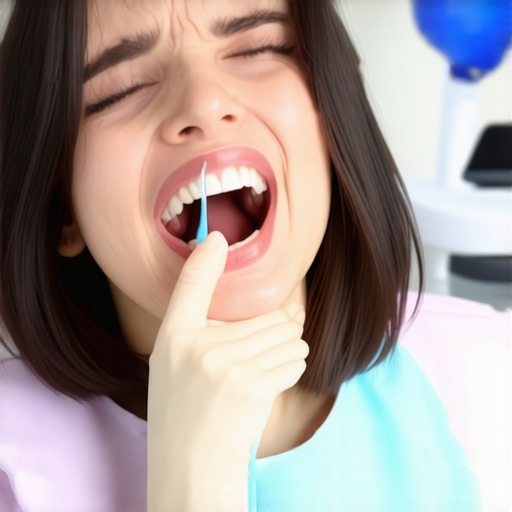
It was a quiet Sunday, just me and a cozy cup of coffee, when suddenly I bit into an apple and felt an excruciating jolt in my mouth. Turns out, I’d cracked a molar—something I never saw coming, especially on the weekend. That sharp pain, the uncertainty—I’ve been there, and I know how overwhelming it can feel.
Many of us assume that dental emergencies like a cracked tooth only happen during regular office hours, but life rarely waits for a scheduled appointment. I learned that the hard way early in my dental journey, making a mistake many people do: panicking without knowing what to do next. Trust me, that initial panic is normal, but knowing how to handle the situation can make all the difference between preserving your tooth and facing costly procedures.
Today, I promise to walk you through exactly what you should do if you find yourself with a cracked tooth on a Sunday afternoon. From immediate steps to reduce pain, to understanding when you need urgent care, you’ll find practical advice rooted in my own experience and supported by trusted dental resources.
Why Taking Immediate Action Matters More Than You Think
A cracked tooth isn’t just about the pain or the visible damage; it’s a signal that your oral health could be at risk. If left untreated, a crack can deepen, lead to infection, or even cause tooth loss. According to the American Dental Association, early intervention dramatically improves the chances of preserving your natural tooth and avoiding more invasive procedures. So, ignoring it or delaying care could cost you more in the long run.
One of the biggest mistakes I made early on was thinking, “It’s just a small crack, it can wait until Monday.” But studies show even minor cracks can develop into bigger problems within hours. That’s why acting quickly with simple at-home measures and knowing when to seek professional help is essential.
If you’re questioning whether this situation warrants a trip to the emergency room or your dentist, I’ll help you figure that out. Before diving into solutions, let me ask—have you ever faced a similar dental emergency and wondered if it was serious enough to disrupt your weekend plans? Knowing the right steps can save you from unnecessary stress and prevent further damage.
Let’s get prepared so that if this ever happens to you, you’ll be ready to respond confidently and effectively. The next steps involve managing pain, protecting your tooth, and understanding the urgency of professional care. Ready? Let’s go.
Stabilize and Protect Your Tooth
Immediately after noticing the crack, rinse your mouth with warm water to clear debris. If there’s bleeding, gently apply pressure with a clean cloth or gauze. Use a cold compress on your cheek to reduce swelling and numb the pain—think of it as giving your mouth an emergency cold pack to slow down blood flow and ease discomfort. I remember applying a cold pack myself on a weekend, which significantly minimized the pain until I could see a dentist. Avoid sticking something in the crack or trying to fix it yourself—this can do more harm than good.
Manage Pain Effectively
Over-the-counter pain relievers like ibuprofen or acetaminophen can help tamp down the pain. For sharp or throbbing feelings, aligning your head with a pillow and avoiding hot or cold foods prevent additional sensitivity. In my experience, taking the right dose of Tylenol and keeping head elevated reduced the urgency and made the wait manageable.
Assess Urgency for Professional Treatment
The size and location of the crack determine whether you need emergency care. If the crack exposes the pulp (the inner nerve), or if you’re experiencing severe pain, bleeding, or difficulty breathing or swallowing, seek urgent dental attention immediately. Invisalign research emphasizes early intervention to prevent complications, which applies to cracked teeth too. If the crack is small, you might schedule a regular dentist visit within 24 hours.
Preserve the Tooth with Restorative Solutions
Once professional care is underway, your dentist may recommend restoring the tooth using crowns or bonding. Think of crowns as a sturdy helmet that encloses and protects a damaged structure—substantially more durable than a simple patch. Crowns also help prevent the crack from worsening and guard against future damage, similar to reinforcing a weak spot in a wall.
Understand When to Consider Advanced Procedures
If the crack extends below the gumline or threatens the root, more extensive measures like root canals or even extractions may be necessary. For long-lasting results, consult a specialist who can advise on the best approach. Choosing the right crown expert is crucial—visit this guide to ensure a durable solution.
Prevent Future Cracks by Improving Oral Care
Strengthening your overall oral health reduces the risk of cracking teeth. Regular flossing, proper brushing, and routine dental check-ups help detect issues early. Additionally, if your lifestyle involves habits like teeth grinding or nail-biting, consider protective measures like a night guard—discuss options with your dentist. To keep your smile resilient, review top oral health tips for families.
While many believe they understand the fundamentals of dental care, there are nuanced pitfalls and misconceptions that can undermine your oral health journey. For instance, a widespread myth is that crowns are merely cosmetic fixes rather than restorative powerhouses. In truth, crowns serve as vital structural reinforcements, protecting weak teeth from further damage and preventing complex procedures down the line.
Many people also assume that family dentistry is just about routine cleanings. However, the evolving modern trends emphasize personalized care plans that consider the unique needs at every age, including preventive measures that specifically target developmental or age-related challenges.
A common oversight in the realm of Invisalign is believing it’s just an aesthetic alternative to braces. Yet, the technology offers advanced benefits like digital monitoring and comfort that can actually improve oral health outcomes when used correctly. Nevertheless, an myth persists that Invisalign is only for minor alignment issues, neglecting its role in comprehensive bite correction.
Another often overlooked nuance is the importance of maintaining ongoing oral health beyond just brushing twice daily. Many fail to realize that factors like diet, saliva composition, and even sleep quality significantly influence their oral health. As studies reveal, integrated self-care strategies are more effective when tailored to individual risk factors.
So, what are the traps lurking beneath these misconceptions? A major one is assuming that visiting the dentist only when something hurts is sufficient. This reactive mindset risks allowing small issues to escalate into expensive, invasive treatments like implants or root canals. Regular check-ups, including preventive procedures, not only save money but also preserve natural teeth longer.
To truly master your oral health, it’s essential to look beyond surface-level beliefs and understand the sophisticated science and strategies behind effective dental care. Want to learn more? Dive into the comprehensive guides or consider scheduling a consultation to personalize your approach.
Have you ever fallen into this trap? Let me know in the comments.Maintaining your dental restorations and appliances requires specific tools and methods to ensure long-term success and oral health. I personally recommend investing in a high-quality ultrasonic cleaner, such as the Ultrawash Ultra, for cleaning removable appliances like retainers and whitening trays. This device vibrates at ultrasonic frequencies to dislodge plaque and bacteria from hard-to-reach areas, which manual brushing often misses. Using such a tool regularly significantly prolongs the life of your retainers and Invisalign trays, preventing material degradation and odors, and ensuring optimal hygiene. For crowns and bridges, I suggest considering professional-grade fluoride rinses like FluoroShield, which help strengthen surrounding enamel and inhibit decay around restorations. Additionally, adopting a water flosser like the Waterpik Sonic-Fusion improves interdental cleaning effortlessly and reaches beneath crowns without damaging them. As technology advances, AI-powered dental monitoring apps like DentalMonitoring are revolutionizing at-home maintenance by providing virtual check-ins and guidance, catching potential issues early. Personally, I use the Dental Monitoring app to keep track of my oral health status and receive tailored advice, saving trips to the office and ensuring my restorations are functioning well. Looking ahead, I predict integration of smart sensors into dental materials could alert us to early signs of restoration failure or decay, drastically changing maintenance routines. The key question is, ‘How do I maintain my crowns and restorations over time?’ Regular at-home cleaning with proper tools combined with routine professional checkups ensures longevity. Don’t forget, each person’s needs are unique, so consulting your dentist for personalized advice is essential. To make an immediate impact, try incorporating an ultrasonic cleaner into your routine—it’s a game-changer for appliance longevity. Curious about how to choose the best tools tailored to your restorations? Reach out through our contact page for expert recommendations.
What I Wish I Knew About Quick Fixes and Long-Term Care
One pivotal lesson I learned is that rushing to fix a cracked tooth without proper guidance can do more harm than good. Relying solely on home remedies or temporary solutions might give false security, but consulting a dentist ensures your smile isn’t compromised further.
Another insight is the importance of understanding your unique oral anatomy. Recognizing that certain cracks may require specific treatments prevents unnecessary delays and ensures crafting a personalized recovery plan.
Finally, I discovered that prevention truly beats cure. Regular check-ups and addressing minor issues early on can save you from unexpected dental emergencies that can disrupt your life—like a sudden crack on a quiet Sunday.