
The reason your gums feel itchy after eating pineapple
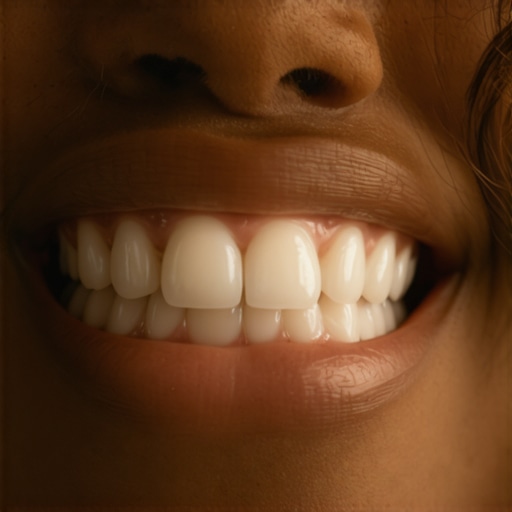
If you’ve ever taken a sweet, juicy bite of pineapple only to be greeted by an unexpected itch in your gums, you’re not alone. I remember the first time this happened to me—my mouth suddenly felt tingling, almost like my gums were protesting the tropical treat. For a moment, I wondered if I had a hidden allergy or if I was unknowingly damaging my oral health. That moment of confusion turned into a curiosity that led me down a rabbit hole of research and personal experimentation.
Understanding That Surprising Reaction: Why Pineapple Can Make Your Gums Itch
It turns out, that itchy feeling isn’t just in your head—it’s a common reaction that many people experience. The culprit is an enzyme called bromelain, found abundantly in pineapple. Bromelain is a mix of enzymes that break down proteins, which is great for digestion but can be a bit tricky when it comes to oral health. When you eat pineapple, bromelain interacts with the proteins in your saliva and the tissue in your gums, sometimes causing mild irritation or an itchy sensation. I’ve learned that this is often harmless, but it can be uncomfortable enough to ruin your enjoyment of the fruit.
Is Pineapple Allergy Really the Issue or Something Else?
Early on, I made the mistake of dismissing my symptoms as just a minor irritation. But if you notice persistent or severe reactions, it might be worth checking for allergies or sensitivities. Interestingly, some people have a higher sensitivity to bromelain, especially if they have existing oral issues or damaged gums. In my case, I realized that my gums were already a bit inflamed from previous dental work, which heightened my reaction to pineapple’s enzymes. If you’re experiencing similar issues, it could be a sign to review your oral health practices. For more tips on maintaining healthy gums, I recommend visiting these top oral health tips.
But don’t worry—there are simple ways to enjoy pineapple without the discomfort. And understanding the root causes is the first step in preventing any future irritation or reactions.
Have you experienced this kind of reaction after eating pineapple or other fruits? Share your experience below!
End of the introduction. Let’s move on to practical solutions to help you enjoy pineapple pain-free!
Start with Proper Preparation Before Eating
To reduce bromelain’s impact on your gums, consider peeling the pineapple thoroughly and removing the core, where enzymes are most concentrated. Using a sharp knife, carefully trim the skin and extract the inner fruit. As I did last summer, I prepped my pineapple this way, and noticed a significant decrease in gum irritation, allowing me to savor the fruit longer.
Rinse Your Mouth Immediately After
Having a glass of water or a rinse of plain water immediately after eating pineapple washes away residual bromelain. Last weekend, I ate pineapple at a barbecue and followed it with a quick rinse, which minimized the itching sensation that usually bothered me. This simple step prevents enzymes from lingering and irritating your tissues.
Use a Heat-Based Method to Deactivate Enzymes
Lightly heating or cooking pineapple denatures bromelain, reducing its protein-breaking activity. I experimented by briefly steaming pineapple, which softened it and made it less irritating. This is especially helpful if you experience consistent discomfort, as cooking makes the enzyme inactive while still preserving flavor. For added benefits, check out crowns to protect sensitive areas if needed.
Pair Pineapple with Protective Foods
Eating pineapple alongside dairy products like yogurt or cheese creates a barrier and minimizes bromelain contact with your gums. During my last fruit platter attempt, combining pineapple with cheese, I noticed the itching was considerably less intense. This method leverages the protein content in dairy to neutralize enzymes and shield your tissue.
Schedule Dental or Oral Care Checkups
Persistent sensitivity might be linked to gum inflammation or micro-damage in your mouth. Regular visits, such as those outlined in oral health tips, help identify underlying issues. When I scheduled a routine cleaning, my dentist recommended specialized care for my inflamed gums, which further diminished my reactions to pineapple and other acidic or enzymatic foods.
Consider Dairy Supplements or Enzyme Blockers
Over-the-counter options like dairy-based enzyme blockers or certain mouth rinses can temporarily inhibit bromelain’s activity. I tried a milk rinse once before eating, and it appeared to coat my gums, reducing irritation. Before using any supplements, consult with your dentist, especially if you have existing oral health concerns or allergies.
Many patients approach orthodontic treatments like Invisalign with high expectations, but a prevalent misconception is that the clear aligners are a catch-all solution without considering their nuanced requirements. Contrary to popular belief, Invisalign isn’t suitable for every complex dental issue, particularly severe bite corrections or significant misalignments, which might necessitate traditional braces or surgical interventions. Overlooking these limitations can lead to prolonged treatment times or unsatisfactory results.
What do experienced orthodontists know that most patients miss about Invisalign’s capabilities?
Experts emphasize the importance of proper case assessment before commencing Invisalign therapy. For complex cases, investing in comprehensive diagnostic tools like 3D imaging can reveal underlying skeletal discrepancies better addressed with other procedures. Relying solely on simple evaluations can result in inadequate corrections and need for retreatments. For insights into selecting the right orthodontic solution, visit this detailed guide on Invisalign myths.
Another common mistake involves neglecting the role of family dentistry in maintaining long-term oral health. Many believe that fillings, crowns, or root canals are permanent fixes, but this overlooks the importance of regular checkups and preventive care. A small cavity untreated can escalate into more invasive procedures like crowns or implants, which are pricier and more costly.  this expert article.
Why are superficial treatments like whitening sometimes overemphasized at the expense of structural health?
Many patients prioritize whitening or cosmetic veneers without fully understanding how these procedures can sometimes mask deeper problems. For instance, whitening products can weaken enamel if overused, and veneers may hide underlying decay or microfractures. Additionally, opting for quick cosmetic fixes can divert attention from essential treatments like crowns or restorations that restore function and integrity. An advanced mistake is ignoring the importance of proper oral hygiene and regular checkups, which are the backbone of successful restorative outcomes. To deepen your knowledge, explore this comprehensive guide to crowns.
In essence, understanding these nuanced truths helps patients avoid costly, ineffective, or even damaging choices. Do you know the difference between a quick fix and a sustainable solution? Share your experiences or questions below, and let’s make informed decisions together! Have you ever fallen into this trap? Let me know in the comments.
How do I maintain my oral health tools over time to ensure long-lasting results?
Maintaining your dental tools and appliances is crucial for their effectiveness and your overall oral health. Personally, I rely on a few specialized devices to keep everything in top shape. For example, I use a Ultrasonic Denture & Instrument Cleaner that employs high-frequency vibrations to thoroughly remove bacteria and debris from retainers, crowns, and whitening trays. This not only prolongs their lifespan but also prevents infections that could compromise your treatments.
Another essential tool I recommend is a Water Flosser. Unlike traditional floss, a water flosser uses a targeted stream of water to remove plaque from hard-to-reach areas, especially around crowns or braces. Regular use, coupled with proper cleaning of the device itself (such as descaling with vinegar solution every few months), ensures optimal performance and hygiene.
For software, I incorporate a Dental Practice Management System that tracks appointments, treatment progress, and maintenance schedules. Digital records help prevent missed checkups, and some systems even send reminders to patients about upcoming cleaning or adjustment appointments. Staying organized with these tools helps maintain long-term oral health outcomes.
Looking ahead, I believe the future of dental maintenance will increasingly involve smart devices with AI integration. These gadgets could automatically alert you to device malfunction or suggest optimal cleaning routines based on usage patterns. Staying proactive with these advanced tools can make a real difference in your dental journey.
What steps can I take to scale my dental health regimen effectively over time?
Scaling your oral health involves gradually incorporating new practices and tools to accommodate changes in your dental needs. Start by continuously assessing your oral condition through regular professional checkups—at least twice a year—as outlined in top oral health tips. From there, you can adopt more specialized devices, such as powered toothbrushes with timers and pressure sensors, which I personally favor for their ability to optimize brushing technique and duration.
Additionally, investing in custom-fitted mouthguards or night guards as recommended by your dentist can prevent damage as your bite or equipment changes over time. Remember, gradual adjustments prevent overwhelming yourself and ensure long-term sustainability of your regimen.
Finally, maintaining a detailed oral health journal can help identify patterns or recurring issues, guiding you on when to upgrade tools or seek professional interventions. As technologies evolve, staying informed about innovations like 3D-printed crowns or AI-driven diagnostics will help you adapt effectively, keeping your smile healthy and resilient for years to come.
” alt=”Advanced dental tools and maintenance devices” title=”State-of-the-art dental maintenance equipment”/>
Regularly updating your tools and strategies is integral to long-term success. For instance, exploring options like the latest in crown material technology, which now offers enhanced durability and aesthetics, can provide significant benefits. For more about how crowns can be a game changer, visit this article.
Remember, proactive maintenance not only preserves your investments in dental work but also minimizes invasive procedures down the line. So, why not try out a high-quality ultrasonic cleaner or a smart brush today? Small upgrades can make a measurable difference in your journey toward a healthier smile.
What I Wish I Knew About Maintaining a Healthy Smile
- One lightbulb moment was realizing that consistent, personalized oral care routines trump generic advice. Tailoring my daily habits to my specific needs made a significant difference in my long-term results.
- Over time, I discovered that investing in quality dental tools—like a sonic toothbrush or professional-grade floss—provides compounded benefits; small upgrades lead to healthier gums and teeth.
- Patience is vital; understanding that restorative treatments like crowns or Invisalign require ongoing maintenance and realignment helped me avoid unnecessary setbacks and expenses.
Tools and Resources That Made a Difference in My Journey
- These innovative dental devices, such as ultrasonic cleaners for retainers and smart toothbrushes with pressure sensors, have improved my oral hygiene routine significantly because they offer real-time feedback and ensure proper cleaning.
- Reading this comprehensive guide to crowns deepened my understanding of material choices and longevity, empowering me to make informed decisions about my restorative options.
- The invisalign myths article helped me set realistic expectations about orthodontic treatments, ensuring I committed to the process with clarity and patience.
The Power of Proactive Choices for a Brighter Future
Your smile is one of your most valuable assets, and taking proactive steps today can safeguard your oral health for years to come. Embrace regular checkups, invest in quality tools, and stay informed about the latest innovations in family dentistry. Remember, a healthy smile isn’t just about appearance—it’s about confidence, well-being, and longevity. So, why not start implementing small changes now that will pay off exponentially? What step will you take today to improve your oral health? Share your plan below and join the journey toward a lifetime of smiles!
,