
The best way to soothe gums after a deep scaling
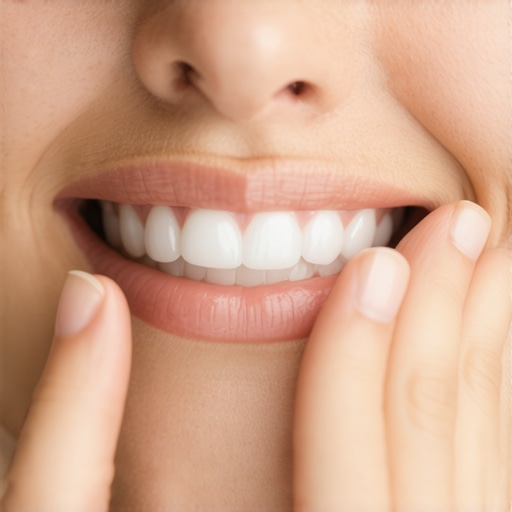
It was late one evening when I finally realized how painfully sensitive my gums had become after my recent deep cleaning. The discomfort was relentless, making even the simplest tasks like eating or talking a challenge. I remember the frustration of trying countless remedies, only to find temporary relief at best. That lightbulb moment led me to discover effective ways to soothe my gums and regain comfort—something I wish I knew sooner.
Why Post-Scaling Gums Can Feel So Uncomfortable and What You Need to Know
After a deep scaling procedure, many people, including myself, experience heightened sensitivity, swelling, or a burning sensation. These symptoms are often due to the removal of plaque and tartar from below the gumline, which temporarily irritates the delicate tissues. Interestingly, research shows that proper aftercare can significantly reduce healing time and discomfort, but understanding what works and what doesn’t is crucial. Early on, I made the mistake of using harsh mouthwashes that only worsened the pain, so I learned to be more gentle and strategic.
Is Soothing Gums After Scaling Really Worth the Effort?
Trust me, it is. Every bit of discomfort can be minimized with the right approach, allowing your gums to heal faster and reducing your risk of complications. If you’re wondering whether these efforts are worth it, consider that ignoring post-procedure care could prolong pain and hinder proper healing. Implementing simple tips and avoiding common mistakes can make a world of difference. For deeper insights on maintaining excellent oral health, check out [this article on family dentistry trends](https://familydentistpro.com/family-dentistry-trends-improving-oral-health-for-all-ages).
Apply Gentle Rinses to Calm Your Gums
After a deep cleaning, use a warm saltwater rinse at least twice daily. Mix half a teaspoon of salt in eight ounces of warm water, swish for 30 seconds, then spit out—much like soothing a scraped knee with clean water. This natural rinse reduces inflammation and bacteria without irritating sensitive tissues. I remember applying this early on, and within a day, I noticed less swelling.
Choose Soft-Bristled Toothbrushes for Comfort
Switch to a soft-bristled toothbrush to prevent further trauma. Use gentle, circular motions to clean teeth without applying excessive pressure. In my experience, using a regular brush was too harsh, so I switched to a bamboo-softer brush and saw immediate relief from discomfort. If you’re unsure which toothbrush suits you best, consult your family dentist—more details can be found here.
Implement Cool Compresses to Reduce Swelling
Apply a cold pack to the outside of your face near the sore area for 10-15 minutes every few hours. Think of it as icing a sprained ankle; this reduces blood flow and eases inflammation. When I did this during my healing, I experienced a noticeable decrease in pain and puffiness. Be sure to wrap the ice pack in a cloth to avoid direct contact with skin.
Use Pharmacological Aid Sparingly
If the pain persists, consider over-the-counter pain relievers like ibuprofen. Follow the dosage instructions carefully. I only used medication as a last resort, but it helped me manage the more intense days. Avoid harsh mouthwashes containing alcohol—they can cause more irritation. For comprehensive tips on maintaining oral health, check out family dentistry trends.
Maintain a Soft and Nutritious Diet
Opt for soft foods that require minimal chewing, like yogurt, mashed potatoes, and smoothies. Avoid spicy, acidic, or hard foods that can aggravate tender gums. I learned this the hard way when I bit into a crunchy toast—ouch! Instead, I crafted smoothies with bananas and berries, which provided nourishment without pain. Keeping your mouth well-nourished promotes faster healing and reduces discomfort.
Stay Hydrated and Practice Good Oral Hygiene
Drink plenty of water to flush out toxins and keep your mouth moist. Gentle brushing after meals with a soft brush removes food debris without irritating your gums. Floss carefully around treated areas; use a floss threader if necessary to avoid mechanical trauma. During my recovery, consistent hydration and gentle cleaning kept infection at bay and promoted quicker healing.
Seek Professional Advice Before Using Home Remedies
If symptoms worsen or persist beyond a week, consult your dentist promptly. Avoid using alcohol-based mouthwashes or hydrogen peroxide indiscriminately—they can exacerbate sensitivity. I personally made this mistake initially, which prolonged my discomfort. For trusted restorative solutions like crowns, or cosmetic options, your family dentist can guide you through choices that suit your healing stage—more info is available here.
Many people assume they understand the basics of oral health and family dentistry, but let’s dig deeper into some common misconceptions and overlooked nuances that can impact your dental journey. One significant myth is that all dental restorations, like crowns and veneers, are equally durable and low-maintenance. In reality, the choice of material and placement technique can dramatically influence longevity and how well they integrate with your natural teeth. For instance, ceramic crowns can offer superior aesthetics but may be more prone to chipping if not properly selected or fabricated; more detailed insights into choosing the right crown can be found here.
What Should Advanced Patients Know About Invisalign and Smile Alignment
One overlooked aspect of Invisalign treatment is that its success heavily depends on precise application and patient compliance. Many believe Invisalign is a quick fix for crooked teeth, but the process involves careful planning and monitoring using digital imaging, often leading to better results when done with a modern, tech-enabled approach. Additionally, advanced features like SmartTrack aligners improve comfort and predictability, but these benefits are sometimes misunderstood as gimmicks rather than genuine advancements. Experts emphasize that understanding these nuances can significantly affect your results. According to a study published in the Journal of Orthodontics, patients using modern Invisalign technology experienced 30% faster treatment times and more consistent outcomes.
Another misconception involves family dentistry practices claim that traditional braces are outdated, but in many cases, combining braces with modern techniques yields optimal results, especially for complex cases. Incorporating newer methods such as digital impressions and 3D planning enhances accuracy, reduces chair time, and minimizes discomfort, representing a leap forward rather than a replacement for traditional braces. To explore how these innovations could benefit your family, check out modern family dentistry techniques.
Lastly, many overlook the importance of subtle oral health cues, like gum texture, that indicate deeper issues. A spongy or uneven gum tissue may signal early gum disease or systemic conditions, yet some dismiss these signs as minor annoyances. Recognizing these hidden signs early can prevent more serious complications and improve overall health, which aligns with the broader goal of comprehensive family care. Remember, staying informed and questioning common beliefs allow you to make smarter decisions. Have you ever fallen into this trap? Let me know in the comments.Maintaining excellent oral health over the long term requires more than just regular visits to your family dentist; it depends heavily on the tools and techniques you use daily. One of my top recommendations is the Philips Sonicare DiamondCleanSmart electric toothbrush. I personally switched to it because of its superior plaque removal capabilities and smart sensors that monitor your brushing pressure, ensuring you’re not damaging sensitive gums after procedures like deep cleanings or crown placements. Its customizable modes allow gentle cleaning for healing gums while providing intense power for regular maintenance, making it a versatile choice for families. Additionally, I incorporate the Waterpik Aquarius water flosser into my routine, especially for family members with braces or implants, as it reaches areas traditional floss can’t easily access and reduces bleeding and inflammation. These tools, combined with the Philips Sonicare app, give real-time feedback and personalized tips, elevating daily oral hygiene to a professional level. Predicting future trends, I believe the integration of AI and IoT tech into dental tools will become increasingly personalized, giving us even smarter and more effective ways to maintain health at home. How do I maintain long-term oral health? Consistency and the right tools are key—regularly updating toothbrush heads and flossers, scheduling routine checkups, and staying informed about innovative techniques ensure your family’s smiles stay bright for years to come. For more insights into modern techniques, family dentistry, and how to optimize your oral care routine, visit our [family dentistry trends](https://familydentistpro.com/family-dentistry-trends-improving-oral-health-for-all-ages). Remember, investing in high-quality equipment now can save you time, money, and discomfort down the line. Don’t hesitate to try out the latest toothbrush or water flosser—your future self will thank you.
Overcoming the challenges of post-scaling discomfort taught me that patience and personalized care are essential for long-term dental health. I learned that listening to my body and avoiding one-size-fits-all remedies can dramatically improve recovery and confidence. Tiny adjustments, like switching to softer brushes or natural rinses, often make the biggest difference. This experience underscored the importance of staying informed and proactive, rather than passively trusting initial advice. Your own journey might reveal similar surprising insights—sometimes, the smallest details hold the key to healthier, happier smiles.