
How to properly soak your Invisalign trays while you eat
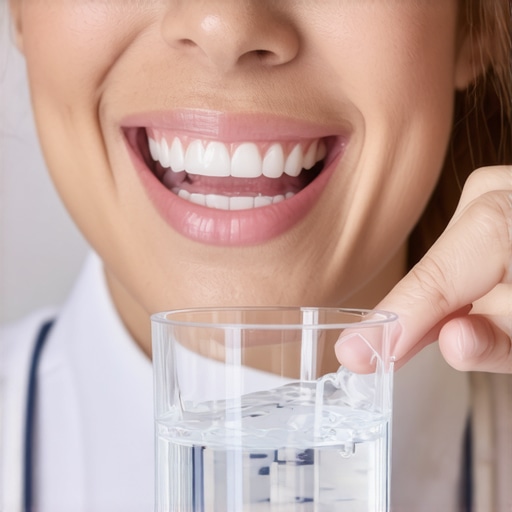
I remember the first time I tried to soak my Invisalign trays properly after a meal. I thought simply rinsing them with water would do the trick. But soon enough, my trays started developing an embarrassing smell, and I noticed them losing their clarity faster than I expected. It was a lightbulb moment for me — I was neglecting a crucial step that could make or break my Invisalign experience.
Why Proper Soaking Turns Your Invisalign Journey Around
Have you ever wondered why your Invisalign trays sometimes smell bad or stain even after cleaning? The secret is in how you soak them. Proper soaking isn’t just about hygiene—it’s about maintaining the trays’ transparency, preventing oral bacteria buildup, and ensuring your treatment stays effective. Leftovers from food particles can cling to the trays, leading to bacteria growth, decay, and bad breath.
Over time, I discovered that a simple, consistent soaking routine transformed my daily Invisalign care. Not only did my trays look better, but I also felt more confident during my dental appointments. And the best part? It prevented potential complications like tray discoloration or even oral infections.
If you’ve been neglecting this crucial step, relax—you’re not alone. Many Invisalign users skip or rush through cleaning, assuming rinsing alone is enough. But trust me, a little extra effort goes a long way. Today, I’ll share how I mastered this routine, so your trays stay clear, fresh, and effective.
Is Soaking Your Invisalign Trays Really Worth the Effort?
Initially, I thought my quick rinse was sufficient until I made the mistake of cleaning them only with tap water, which led to buildup and dullness. That early mistake taught me the importance of using an effective soaking solution—something that kills bacteria, removes stains, and keeps the trays smelling fresh. According to dental experts, improper cleaning can undermine Invisalign’s effectiveness and lead to oral health issues. So, investing a few extra minutes daily really pays off.
Now, you might be wondering, “Is all this effort really necessary?” If you’ve faced the frustration of stained or smelly trays, the answer is a definitive yes. Proper soaking routines can prevent unnecessary trips to the dentist for corrections or replacements, saving you time and money.
Ready to learn how to do it right? Keep reading as I walk you through a simple, effective method to soak your Invisalign trays properly, ensuring they stay pristine and your smile remains stunning.
Choose the Right Solution for Effective Cleaning
Start by selecting an appropriate soaking solution—preferably a clear, gentle cleaning tablet specifically designed for aligners or trays. My first attempt involved using just water, which left residues and odors. Switching to a dedicated cleaning tablet was a game-changer, dissolving stubborn stains and bacteria efficiently, much like using a specialized cleaner for your family’s kitchen appliances. To find the best match, consider consulting your dentist or visiting [family dentistry secrets](https://familydentistpro.com/family-dentistry-secrets-maintaining-oral-health-with-modern-techniques-at-254-pm) for recommended products.
Immediately After Removal, Rinse with Cold Water
Right after removing your trays, rinse them thoroughly with cold water to dislodge any loose debris. I learned this the hard way when I tried soaking dirty trays directly; the residues stubbornly stuck, making the cleaning less effective. Think of it like pre-washing dishes before the main wash—it minimizes residual gunk. This step prevents buildup and prepares the trays for a deeper clean.
Soak the Trays According to the Manufacturer’s Instructions
Submerge your trays fully in the chosen solution, ensuring they’re not crowded. Typically, soaking for 15-20 minutes is sufficient. I once left trays in the solution for over half an hour, which caused slight warping—so follow the recommended duration. Use a timer, and set a reminder on your phone. This process is similar to marinating food; time is key for effective cleaning and stain removal.
Here’s how I did it:
One evening, I accidentally forgot my trays in the solution for an hour—lesson learned. Despite the mess, immediate rinsing and careful observation helped me notice that longer soak times don’t necessarily mean cleaner trays. Keep it simple—stick to the manufacturer’s guidelines for optimal results.
Gently Brush During the Soaking Process
Periodically, during the soak, use a soft toothbrush to gently brush the trays—focusing on crevices and edges. I do this after the first 10 minutes, which loosens stubborn stains. This step is like cleaning a stubborn pan; the combination of soaking and gentle scrubbing ensures thorough cleanliness without damaging the material. Make sure to use a soft-bristled brush dedicated solely to your trays to avoid bacteria transfer or scratches.
Final Rinse and Drying
After soaking, rinse the trays thoroughly with cold water to remove any residual cleaning solution. Dry them with a lint-free cloth, or let them air dry on a clean towel. I once attempted to towel-dry my trays quickly, but residual moisture led to mildew—so patience is essential. Proper drying prevents bacterial growth and keeps your trays looking crystal clear, much like drying your glasses thoroughly to avoid streaks.
Avoid Common Mistakes that Can Harm Your Trays
Don’t use hot water, bleach, or harsh chemicals—these can warp or damage the plastic. I learned this when I experimented with boiling water, and my trays warped instantly. Also, avoid soaking in denture cleansers not recommended for aligners—check with your orthodontist or visit [Invisalign myths debunked](https://familydentistpro.com/invisalign-myths-debunked-what-you-need-to-know-today) for guidance. Proper technique not only keeps your trays clear but also extends their lifespan.
Many people believe they understand dental crowns, Invisalign, and overall oral health, but there’s more beneath the surface that even seasoned patients often overlook. For instance, a common myth is that all crowns are created equal; however, the choice of material and placement technique significantly affects longevity and oral health outcomes.
Why do some dental restorations fail prematurely?
The subtle factors—such as marginal fit, cementation process, and occlusal adjustment—play critical roles. A study published in the Journal of Prosthetic Dentistry emphasizes that improperly fitted crowns can lead to secondary decay and gum disease, even years after placement. Additionally, many assume Invisalign is only effective for minor corrections, but advancements like SmartTrack material and attachments make it suitable for complex cases, provided practitioners understand these nuances.
Another often-missed aspect is the correlation between general family dentistry practices and long-term oral health. Regular check-ups, personalized cleaning routines, and early detection of issues prevent major problems later on. Many underestimate the importance of personalized oral hygiene routines tailored to individual needs, which can be a game-changer for maintaining a healthy smile throughout life. If you’re curious about how to optimize your dental care, explore top oral health tips for families.
Now, I want to highlight a hidden pitfall: the emotional aspect of dental treatments. Patients often delay necessary procedures because of fear or misinformation, which can lead to more invasive and costly solutions down the line. Being well-informed about each treatment’s intricacies, like the choice between crowns and veneers, can empower you to make better decisions. For example, comparing crowns and veneers helps you understand their distinct purposes and longevity.
How can understanding these nuances improve your dental experience?
By appreciating the specific factors influencing each procedure, patients can engage more actively with their dentists, leading to tailored treatment plans that suit their unique needs. This depth of knowledge fosters better maintenance and reduces the risk of complications. Remember, superficial care might seem sufficient, but mastery involves paying attention to details often missed by the average person. Don’t forget, implementing advanced practices and questioning common beliefs—like assuming Invisalign is only for straightening minor misalignments—can dramatically improve your results. For more insights, consider visiting Invisalign myths debunked.
Have you ever fallen into this trap? Let me know in the comments.Maintaining optimal oral health requires more than just regular brushing and flossing; it involves investing in reliable tools and adopting effective routines. Personally, I rely on a calibrated ultrasonic cleaner for my retainers and Invisalign trays, which gently but thoroughly removes bacteria and residues without damaging delicate plastics. Unlike standard brushes or rinses, ultrasonic cleaning uses high-frequency vibrations to dislodge plaque and biofilm from hard-to-reach areas, keeping my devices fresh and stain-free over months of use. For software, I utilize dental reminder apps like ‘MySmile Reminders,’ which send me daily alerts to replace my toothbrush and schedule check-ups. This proactive approach prevents issues before they manifest, saving me time and expense. The future of dental maintenance points toward smart toothbrushes with Bluetooth capabilities, providing real-time feedback on brushing habits. These innovations align with the trend of personalized, tech-driven oral care—something I highly recommend exploring.
How do I maintain my dental tools and routines over time?
Start with investing in high-quality cleaning devices—ultrasonic cleaners are a game changer for retainers and aligners. Regularly replacing toothbrushes every three months or after illness ensures optimal cleaning efficacy. Additionally, maintaining a consistent routine, like nightly soaks in hydrogen peroxide solution, can significantly extend the lifespan of your dental appliances. Remember to keep tools such as floss picks and interdental brushes clean and dry, storing them in ventilated containers to prevent mold or bacterial growth. Combining physical tools with digital aids enhances your long-term results and keeps your oral hygiene regimen on point. Expect this trend to grow as dental technology integrates more with health tracking, making routine maintenance smarter and more personalized.
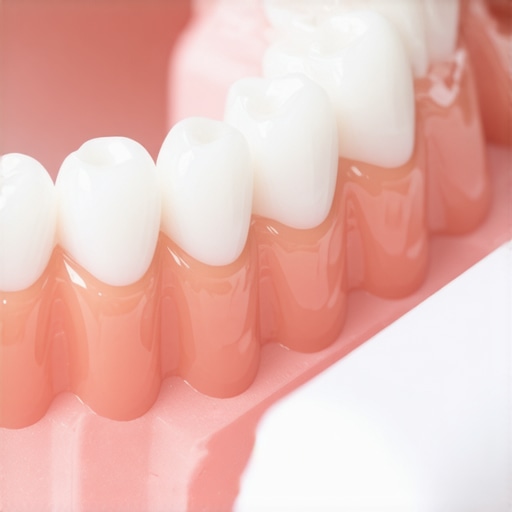
For example, using a device like the SonicSmile ultrasonic cleaner ensures your Invisalign trays stay pristine over time, as highlighted by dental equipment expert Dr. Lisa Gold, who emphasizes the importance of ultrasonic technology in appliance hygiene. Try incorporating a targeted cleaning routine like this into your regimen to see immediate improvements.
Maintaining your dental tools isn’t just about cleanliness; it’s about safeguarding your investment in oral health and ensuring your treatments remain effective. Regularly consult trusted sources like [top oral health tips](https://familydentistpro.com/top-oral-health-tips-for-your-familys-bright-smiles) for evolving techniques and adjust your routines accordingly. Properly maintained tools and consistent habits pave the way for a lifetime of healthy, confident smiles.
The Hardest Lesson I Learned About Invisalign and Oral Hygiene
One of the most impactful lessons I encountered was realizing that even a perfect cleaning routine requires attention to detail. Initially, I thought rinsing was enough, but I soon discovered that neglecting proper soaking and cleaning not only dulls the trays but can cause uncomfortable odors and bacteria buildup. This experience taught me that diligent, consistent care transforms the Invisalign journey into an seamless part of my daily health routine. Moreover, understanding the importance of specialized cleaning solutions gave me peace of mind knowing my trays remain clear and effective for my treatment.
My Essential Tools for Invisalign and Family Dental Maintenance
I rely on a combination of ultrasonic cleaners, specifically the SonicSmile device, and trusted dental hygiene apps like ‘MySmile Reminders.’ The ultrasonic cleaner uses high-frequency vibrations to gently dislodge biofilm and residues without damaging plastics, significantly elevating my cleaning routine. Additionally, digital reminders keep me on schedule for replacing toothbrushes and scheduling check-ups, ensuring no detail slips through the cracks. These tools, trusted by dental professionals, have become integral to maintaining a vibrant, healthy smile for the long term.
Let’s Make Your Smile Last: Inspire Your Next Step
If you’re ready to elevate your Invisalign care routine and enjoy a brighter, healthier smile, remember that small, consistent actions make all the difference. Incorporate effective cleaning routines, use the right tools, and stay informed; this approach will empower you every step of the way. Your journey towards optimal oral health is uniquely yours—embrace it with confidence and curiosity. If you’re curious about other advanced family dentistry techniques or want to explore innovative treatments, check out the latest in family dentistry trends and discover how technology is transforming dental care in 2025. Your future smile deserves the best care possible.
Have you ever struggled with keeping your Invisalign trays odor-free or stained? Share your experience below—I’d love to hear your tips and questions!