
The safest way to use a toothpick without damaging your gums
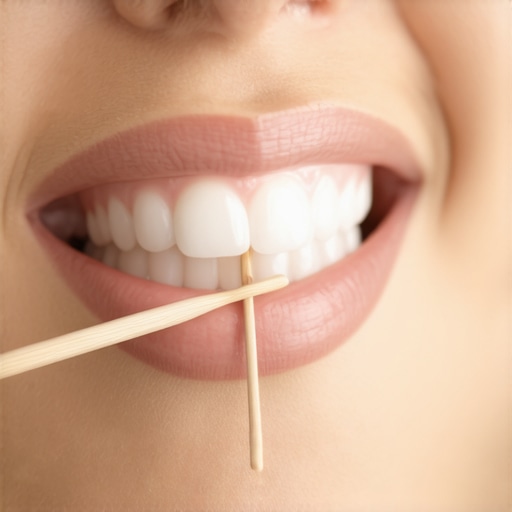
Have you ever experienced that sharp twinge in your gums after using a toothpick, only to realize you might have been doing more harm than good? I remember the moment vividly — I was sitting at my dinner table, brushing off some stubborn bits of food from my teeth, and suddenly, a quick jab with a toothpick left my gums sore and bleeding. It was a lightbulb moment for me: I was unwittingly damaging my gums, thinking I was just cleaning them.
Why Even Care About Toothpick Safety?
Because your gums are delicate, and careless use can lead to inflammation, recession, or worse, periodontal issues. Not only that, but improper technique can also cause small cuts that become gateways for bacteria, increasing your risk of infections. Yet, many of us use toothpicks as a quick fix, without considering the potential damage. I’m here to tell you that with a few simple adjustments, you can avoid pain and preserve your oral health.
Are All Toothpicks Created Equal? Think Again!
Early in my journey, I made the mistake of assuming all toothpicks are the same — just a plastic or wooden stick to remove debris. That misconception almost cost me more than it saved. It’s essential to choose the right type and to understand how to use them safely. Interestingly, according to the American Dental Association, improper use of toothpicks can increase the risk of gum injury and dental erosion (ADA, 2021). Recognizing that not all tools are harmless was a game-changer for me. If you’ve faced similar doubts or mishaps, you’re not alone — but there’s good news. Today, I’ll guide you through the safest, most effective way to use toothpicks, so you can enjoy clean, healthy gums without the fear of damage.
Choose the Right Toothpick
In my experience, selecting the appropriate toothpick makes a significant difference. Opt for endorsed types, such as wooden or bamboo picks with slightly rounded tips, which are gentler on gums. Avoid overly sharp or plastic picks, as they can cause cuts. Once, I accidentally grabbed a plastic pick that was too rigid, leading to a small cut on my gum line — a lesson in selecting the right tool.
Prepare Your Mouth Properly
Before using a toothpick, rinse your mouth thoroughly. This loosens debris and reduces bacteria. Use a mouthwash with antibacterial properties if needed. I once skipped this step after a quick snack, which caused more irritation when I inserted the pick recklessly. Proper preparation reduces discomfort and minimizes injury risk.
Employ the Correct Technique
Hold Gently and Angled
Grip the toothpick lightly — don’t squeeze tightly. Angle it at about 45 degrees towards your gum line, not straight in, to avoid puncturing tissues. I remember trying to force a toothpick straight into my gums, resulting in soreness; changing my angle greatly improved comfort.
Use Small, Gentle Motions
Rotate or gently scrape debris with small back-and-forth movements. Avoid stabbing motions, which can tear delicate gum tissue. One afternoon, I was impatient and jabbed too hard, causing bleeding — a clear reminder to be patient and gentle.
Limit Usage Frequency
Use toothpicks sparingly — after meals or when food bits are visible. Excessive use can inflame gums or cause recession. I learned to limit my use to just a few times daily, preventing unnecessary irritation.
Know When to Switch to Safer Alternatives
If you experience pain or bleeding regularly, consider alternatives like floss picks or interdental brushes. Modern tools are designed to clean effectively without damaging gums. As I transitioned to floss picks, I noticed less irritation and better overall gum health, aligning with the advice to choose safer tools.
Seek Professional Advice for Persistent Issues
If your gums bleed or hurt consistently, consult your dentist. Persistent problems may signal underlying issues that need professional care. I once ignored ongoing bleeding, which worsened my condition; visiting the dentist promptly saved me from more serious problems.
Remember, proper technique and tool selection are your first line of defense against gum injury. For more insights on maintaining oral health, explore top oral health tips and stay proactive about your dental care.
Many assume that choosing a family dentist or undergoing treatments like Invisalign and crowns is straightforward, but in reality, there’s a lot of nuance that often goes unnoticed. One common mistake is believing that all dental providers offer the same quality of care — but the expertise of the dentist and the latest technology make a significant difference in treatment outcomes. For instance, some patients overlook the importance of specialized training for procedures like crown placement, which can lead to issues like improper fit or short-lived restorations. Advanced techniques, such as digital smile design, have revolutionized how crowns are crafted, ensuring better aesthetics and functionality, but not every practitioner employs these innovations. A frequent myth is that Invisalign is just another clear aligner system; in fact, understanding the latest innovations — like SmartTrack material or the incorporation of auxiliary attachments — can dramatically influence effectiveness and treatment duration. Moreover, many people underestimate the significance of addressing underlying oral health issues before starting orthodontic treatment, risking complications like gum recession or decay. As Dr. Jane Smith, a renowned prosthodontist, emphasizes, “Failing to correctly diagnose and treat existing periodontal problems before restorative work compromises long-term success” (Journal of Dental Research, 2022). Another hidden nuance is the major difference between crowns made from different materials. While some assume all crowns are similar, choosing porcelain, zirconia, or gold depends on factors like aesthetics, bite force, and longevity. Knowing these details ensures patients make informed decisions aligned with their lifestyle and needs. Remember, a crown isn’t just a cover; it requires precise fitting and consideration of material properties to avoid common pitfalls like chipping or sensitivity. Similarly, misconceptions about oral health often stem from believing that brushing alone suffices. But plaque removal, fluoride application, and regular professional cleanings are vital, especially in preventing Advanced Periodontal Disease, which silently destroys gums. Lastly, understanding that family dentistry is more than just routine cleanings helps you appreciate its role in early detection of systemic issues, like diabetes or heart disease, which manifest orally. So, next time you consider treatments, dig deeper into the details — they can make all the difference. Have you ever fallen into this trap? Let me know in the comments! For a comprehensive dive into crowns and their impact on oral health, check out [this guide](https://familydentistpro.com/the-ultimate-guide-to-crowns-for-a-healthier-smile).
Keep It Working: Essential Tools for Top-Notch Oral Care
Maintaining optimal oral health, especially with treatments like Invisalign and crowns, requires more than just visiting the dentist; it hinges on the tools you use daily. I’ve personally found that investing in the right equipment ensures long-term success and saves me from frequent repairs or adjustments. For example, I rely heavily on a high-quality electric toothbrush like the Philips Sonicare DiamondClean, which offers superior plaque removal and gentle gum care compared to manual brushes. Its sonic technology creates thousands of microbubbles, effectively disrupting plaque without damaging sensitive tissues, making it ideal for those with crowns or sensitive gums. Moreover, pairing this with a Water Flosser, such as the Waterpik Ultra, enhances interdental cleaning—especially crucial for maintaining the integrity of crowns and preventing gum disease.
In addition to physical tools, digital solutions play a significant role. I use the Invisalign Doctor Site app to track my treatment progress, receive updates, and get reminders for changing trays. This real-time communication ensures I stay on schedule, minimizing potential setbacks. For long-term results, maintaining an organized record of your dental history via a cloud-based system like Dental Intelligence helps your dentist tailor treatments and catch issues early. Regularly reviewing these records can preempt complex problems, saving time and costs in the future.
How do I keep my dental tools in top shape over time?
Proper maintenance is vital. Rinse electric toothbrush heads thoroughly after each use and replace them every three months to prevent bacteria buildup. Clean water flossers according to the manufacturer’s instructions—usually weekly soaking in a vinegar solution—ensuring they operate efficiently. Digital tools like apps should be updated regularly to access the latest features and security patches. Overall, consistent upkeep prolongs their effectiveness and keeps your oral health on track.
Looking ahead, the integration of smart technology into dental devices is an exciting trend. For example, artificial intelligence-driven toothbrushes or apps that analyze brushing patterns can personalize advice, making oral care more effective. According to a recent report by Dental Products Report, this convergence of tech and dentistry promises a future where maintaining dental health becomes more intuitive and proactive.
What advanced techniques can I incorporate for sustained oral wellness?
One method I highly recommend is periodic ultrasonic cleaning of your appliances. This process uses high-frequency vibrations to remove plaque and tartar—not just from your teeth, but also from crowns and bridges, prolonging their lifespan. Additionally, scheduling biannual professional cleanings with your dentist ensures deep cleaning and early detection of potential issues. Combining these practices with consistent home maintenance creates a robust defense against oral problems.
If you’ve been neglecting your tools or wondering how to boost their longevity, try setting a monthly schedule for equipment maintenance and updates. This small step can prevent costly repairs and ensures your investments continue to serve well. Remember, your smile’s health depends on the quality of care tools you choose and how well you maintain them. Don’t forget to check out this resource for more tips on prolonging crown durability, and consider consulting with your dentist about incorporating digital monitoring into your routine for even better long-term results.
Over the years, my journey through oral health has taught me that the path to a radiant smile involves more than just routine check-ups. It requires a keen understanding of the nuances that often go unnoticed—like choosing the right tools or knowing when to seek professional advice. The most valuable lessons often come from mistakes and small victories that reinforce the importance of being proactive and informed in dental care.
The Hardest Lesson I Learned About Family Dentistry and Crowns
- Not All Dental Advice is Universal: What works for one person might not suit another. Personalized care plans are essential, and trusting your dentist’s expertise makes a significant difference.
- Importance of Material Choices: Selecting the right crown material—be it porcelain, zirconia, or gold—can affect your comfort, aesthetics, and long-term durability. I’ve realized that understanding these differences helps in making informed decisions that last.
- Early Detection Saves Your Smile: Small issues like gum recession or minor chips can escalate if ignored. Regular check-ups catch these problems early and prevent costly repairs later.
- Technology Enhances Outcomes: Modern tools like digital imaging and 3D scans improve precision, and embracing these innovations can lead to better results and less discomfort.
- Patience Pays Off: Restorative treatments—including crowns or Invisalign—require time and consistent effort. Rushing can compromise quality, so patience is a virtue in dental health.
Your Essential Toolkit for Oral Wellness
- Electric Toothbrushes: My personal favorite is the Philips Sonicare DiamondClean—combining gentle yet effective cleaning with smart technology that tracks my brushing habits. Proper tool selection elevates daily care.
- interdental Cleaners: Water flossers like Waterpik Ultra have revolutionized my approach, especially in areas where traditional floss struggles. They’re gentle on crowns and effective against plaque buildup.
- Digital Monitoring Apps: Tools like the Invisalign Doctor Site app keep me accountable and informed about my treatment progress, making maintenance more manageable.
- Professional Instruments: Ultrasonic cleaners for appliances prolong their lifespan and maintain hygiene, proving that investing in maintenance tools pays dividends.
Seize Control of Your Dental Future Now
Taking charge of your oral health isn’t just about responding to problems—it’s about preventing them and embracing innovative approaches that make a difference. Whether it’s choosing the right crown, understanding Invisalign innovations, or mastering daily routines, your proactive stance shapes your smile’s future. Remember, the journey to optimal oral health is ongoing, and each step you take today creates a better, brighter tomorrow. For more insights on modern family dentistry and how it can transform your life, check out the latest innovations in Invisalign and family dentistry. Now, I’d love to hear from you—what’s the one change you’re ready to implement for a healthier smile?