
The best way to prevent stains after a professional cleaning
I remember the exact moment I realized my smile wasn’t as bright as it felt after a professional dental cleaning. I left the dentist’s office feeling confident, only to find that a stubborn coffee stain had reappeared within days. That lightbulb moment made me wonder: what’s the best way to preserve that fresh-clean feeling and keep stains at bay? If you’ve ever experienced the disappointment of preemptively whitening your teeth only to watch stains slowly creep back, you’re not alone. The good news is, there’s a straightforward strategy that can help maintain your gleaming smile after your professional cleaning, and I’m here to share my personal tips based on years of navigating this common dental dilemma.
Why Preventing Stains Matters More Than You Think
Maintaining a beautiful smile isn’t just about aesthetics—it’s also a testament to your oral health. Stains can be a sign of deeper issues like plaque build-up or enamel erosion, and they can undermine your confidence and motivation to keep up with good oral hygiene. Plus, repeatedly whitening or deep cleaning can be costly and time-consuming. That’s why understanding how to prevent stains after your dentist’s appointment is a game-changer. It’s essentially about working smarter, not harder, to prolong that fresh, polished look.
Is It Really Worth The Effort To Prevent Stains?
I’ll admit, I once believed that my whitening treatments or frequent dental checkups were enough. Early on, I made a mistake by ignoring my diet and habits post-visit, thinking the cleaning alone would do all the work. That was a costly mistake. It led to stained teeth just weeks later. Since then, I’ve learned that small, consistent actions—like adjusting what I drink and how I care for my teeth—make a big difference. In fact, experts suggest that lifestyle plays a crucial role in stain prevention, and simple tweaks can dramatically extend the results of any professional cleaning. For more insights on maintaining oral health, check out this family dentistry guide.
Now, let’s explore practical steps to keep your smile shining bright long after your dental appointment, starting with the most effective habits and reminders to avoid common pitfalls that undo all your hard work.
.
Seal the Deal with Routine Flossing
Start by making flossing a non-negotiable part of your daily routine. Flossing removes plaque and food debris lurking between teeth, preventing stain-causing bacteria from settling in. Take a piece of floss about 18 inches, wind it around your fingers, and gently glide it between each tooth, curving around the tooth to clean below the gumline. I once tried to skip flossing during a frantic morning and noticed my teeth looked dull by evening. Making this simple step a habit can dramatically preserve your bright smile.
Adjust Your Daily Diet for a Brighter Look
What you eat significantly impacts stain formation. Limit coffee, red wine, and dark-colored berries, which are notorious for staining teeth. Instead, incorporate crunchy fruits and vegetables like apples and carrots—these act as natural abrasives, helping scrub away surface stains. I recall replacing my evening glass of wine with crisp apple slices on a trip, and the immediate difference was astonishing: my teeth stayed visibly whiter for longer. Think of your diet as a shield that blocks stain molecules from settling on your enamel.
Choose the Right Oral Hygiene Products
Switch to whitening toothpaste for gentle, daily stain removal. Look for products with baking soda or hydrogen peroxide, which have proven stain-fighting properties. However, don’t overdo whitening products, as they can sometimes erode enamel over time. Once, I used an overly abrasive whitening strip, which caused sensitivity and made my teeth appear dull. A balanced approach with the right toothpaste keeps your enamel healthy while helping maintain that polished look.
Stay Hydrated and Rinse Regularly
Water is your best friend for oral health. Rinsing your mouth after meals minimizes the chances of stain molecules adhering to your teeth. Swish with water or a fluoride mouthwash to wash away sugars and acids. I keep a water bottle at my desk, which reminds me to rinse after coffee breaks. Think of rinsing as washing your car regularly—it prevents the buildup of grime that dulls the shine.
Visit Your Dentist for Periodic Care
Consistent professional cleanings are vital. Schedule checkups every six months to remove hardened plaque and tartar that regular brushing can’t handle. During one such visit, my dentist used ultrasonics to effortlessly remove stubborn stains, revealing a noticeably brighter surface. These interventions deepen your smile’s glow and prevent stain accumulation that can be hard to remove at home.
Tackle Misaligned Teeth and Damage
If you have crooked teeth or chips, consider options like Invisalign or crowns. Correct alignment reduces plaque traps and makes cleaning more efficient, prolonging your whitening results. I experimented with Invisalign myself, which aligns teeth gradually and allows for easier maintenance. This approach is like cleaning a messy room—neater spaces are easier to keep spotless, ensuring your smile stays luminous.
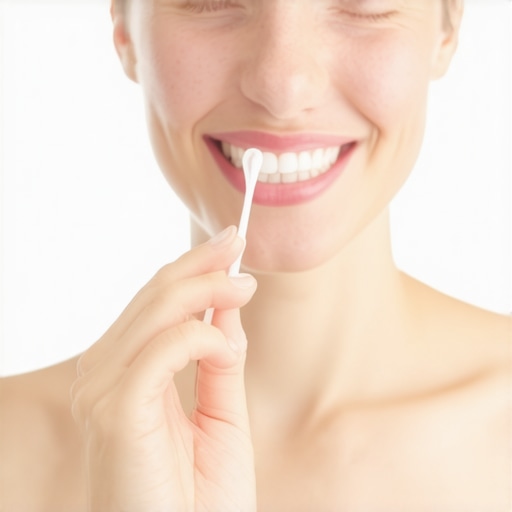
Visual guide to proper flossing technique, showcasing the gentle C-shape around each tooth for effective debris removal.
Many assume that dental crowns are just a cosmetic fix or that family dentistry is only necessary for kids, but the reality is far more nuanced. A common myth is that once you get a crown, you no longer need to worry about decay or alignment—this couldn’t be further from the truth. In fact, improper placement or neglecting follow-up care can lead to premature failure of the restoration. Similarly, many believe Invisalign is solely for teenagers or aesthetics, but recent advances have made it a versatile solution for diverse dental issues across all ages. To truly understand their benefits and pitfalls, it’s essential to recognize the advanced nuances dentists consider beyond the basics. For instance, choosing the right type of crown—whether porcelain-fused-to-metal or zirconia—can significantly impact long-term durability and health, as discussed in this comparison article. Moreover, many underestimate the importance of integrating Invisalign with comprehensive family care plans, which can prevent misalignments from worsening over time. An often-overlooked aspect is the hidden risk of neglecting minor issues; small gaps or chips that seem insignificant might escalate into serious problems if not addressed promptly. The key is to approach oral health proactively, not reactively. Recent research suggests that a holistic view—considering both aesthetics and underlying health—is what truly sets apart expert dental care, as highlighted in this family dentistry guide. When it comes to Invisalign, advancements like SmartTrack aligners have improved comfort and efficiency, but only if paired with proper retention strategies to prevent relapse. Keep in mind, even the most advanced treatments can fall short if patients fall into common traps—like poor oral hygiene or skipping regular checkups. Have you ever fallen into this trap? Let me know in the comments. Ultimately, mastering oral health demands understanding these fine details, not just the surface-level facts.
Once you’ve invested in your smile with treatments like crowns or Invisalign, the key to preserving those results lies in using the right tools and adopting effective maintenance routines. Personally, I rely on specific equipment and software to keep my oral health on track, and over time, I’ve found these to be game-changers in ensuring long-lasting results. In this section, I want to share the tools I recommend based on my experience, explain why they matter, and hint at where the future of dental maintenance is headed.
Why Your Maintenance Routine Needs a Technical Edge
Traditional brushing and flossing are fundamental, but integrating smart tools takes your oral health to the next level. For instance, I swear by an ultrasonic electric toothbrush equipped with pressure sensors. Unlike manual brushing, it provides consistent, gentle cleaning that is scientifically shown to be more effective at removing plaque and preventing stains. The built-in timers ensure I brush for the recommended two minutes, preventing shortcuts that compromise long-term results.
Additionally, I use a companion app linked to my toothbrush that tracks my brushing habits. This data helps me identify areas I might neglect and adjust my routine accordingly. According to recent research, such dental tech integration can improve patient compliance and overall oral health preservation. Family dentistry experts highlight that embracing modern techniques fosters better results over time.
Effective Tools for Sustained Brightness
For maintaining whiteness after professional cleaning, I use a whitening pen with laser-activated gel. It’s compact and allows me to touch up at home without harsh treatments that can erode enamel. The key is choosing a product with proven ingredients, like carbamide peroxide. Regular use helps me sustain the brightness without the sensitivity that some whitening procedures cause.
Moreover, I incorporate interdental brushes designed specifically for crowns and braces—tools that, in my opinion, are superior to traditional floss for thorough cleaning around restorations. Their small size and flexible bristles enable access to hard-to-reach areas, preventing plaque buildup and staining around dental work.
Looking Ahead: The Future of Dental Maintenance
Emerging technologies such as AI-powered toothbrushes and app-connected dental health systems are set to revolutionize how we care for our smiles. Some devices will soon be able to analyze plaque levels and suggest personalized routines in real-time, a leap forward from current static recommendations. Staying ahead means embracing such innovations early, perhaps even consulting your dentist about integrating new tech into your daily routine.
If you’re serious about long-term success with crowns, Invisalign, or other treatments, I encourage you to try a smart toothbrush with actionable feedback. Not only does this ensure consistent maintenance, but it can also catch issues early before they develop into costly repairs. Remember, the right tools are an investment in your health—think of them as the foundational support that keeps your smile shining for years to come.
For additional insights on modern family dental care, check out this resource.
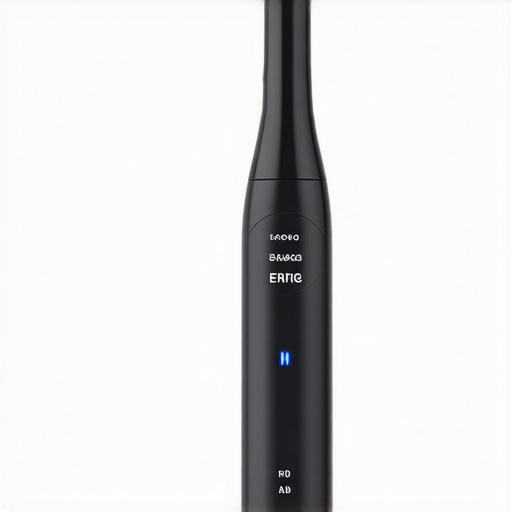
Close-up image of a high-tech electric toothbrush with integrated pressure sensors and smartphone app display, illustrating modern dental maintenance tools.
The Hidden Lessons That Could Save Your Smile
One of the most impactful lessons I learned was that even the best professional cleaning isn’t a magic wand—your daily habits and mindset play a pivotal role in maintaining that pristine look. I once believed that a quick rinse or brushing was enough, only to realize that consistent, strategic care is what truly preserves your smile. That lightbulb moment taught me to view oral health as an ongoing process, not just a periodic event.
Another insight I wish I had grasped earlier is how minor adjustments can dramatically extend the results of your dental treatments. Small changes, like switching to a whitening toothpaste or incorporating interdental brushes, can seem trivial but are powerful allies in your journey to lasting brightness. It’s about cultivating habits that support your investment in your smile.
Perhaps most surprisingly, I discovered that staying informed about emerging technologies and treatment options—like advanced crowns or Invisalign innovations—can help you make smarter decisions. Knowing the nuances can prevent costly mistakes and optimize your results, turning routine maintenance into a strategic advantage.
Tools That Transformed My Approach to Oral Care
My essential toolkit includes an ultrasonic electric toothbrush with pressure sensors, which ensures gentle yet thorough cleaning. Paired with a smartphone app that tracks my brushing habits, I receive real-time feedback and motivation to stay consistent. I also rely on laser-activated whitening pens for quick touch-ups, maintaining that bright shine without risking enamel erosion. Additionally, interdental brushes suited for crowns and braces have become indispensable, allowing me to clean hard-to-reach areas effectively. These tools, recommended by family dentistry experts, have been game-changers, empowering me to care for my smile proactively and confidently.
Looking ahead, innovations like AI-powered toothbrushes and personalized app systems promise to revolutionize maintenance routines. Staying ahead by embracing such technology can give you a significant edge in preserving your smile’s health and brightness, making routine care smarter, not harder. If you’re eager to explore these advancements, consider discussing them with your dentist for tailored recommendations.
Your Bright Future Starts Today
Remember, your smile is a lifelong gift that deserves consistent attention and care. By integrating smart tools, adopting strategic habits, and staying informed about the latest innovations, you’re not just maintaining a beautiful appearance—you’re investing in your overall confidence and well-being. The journey to a vibrant, enduring smile is ongoing, but the rewards make every effort worthwhile. Take the first step today, and let your smile be a reflection of your best self.
What small daily change are you most excited to try to keep your smile bright? Share your thoughts below—I’d love to hear your plan for a healthier, more radiant smile!