
The best snacks for kids with new braces

It was a typical afternoon in my household — my child wailing over a piece of chewy caramel stuck in their braces, tears streaming while I scrambled to find a way to salvage both their snack and my sanity. That lightbulb moment hit me hard: choosing the right snacks can make or break the braces journey for kids—and honestly, it can be a game-changer for worried parents like you and me. If you’ve ever watched your kid grimace at the sight of their favorite crunchy snack or struggle with sticky treats, you’re not alone. I’ve been there, too.
Why Snack Selection Matters More Than You Think
Is the Hype About Special Snacks for Braces Just a Trend?
When my son got his braces, I figured we’d just avoid hard candies and popcorn—simple enough. But I soon realized that the world of kid-friendly snacks is much broader—and much trickier—than I initially thought. Choosing the right foods isn’t just about avoiding discomfort; it’s crucial for preventing breakages, cavities, and overall oral health. Believe it or not, a study published in the Journal of Clinical Orthodontics indicates that diet plays a significant role in the success of orthodontic treatment, with proper nutrition and careful snack choices helping braces do their job effectively.
This realization prompted me to become a bit of a snack detective, discovering options that are both kid-approved and gentle on braces. I learned early on that a simple mistake—like giving a chewy, caramel apple or hard pretzels—could mean an emergency trip to the dentist or worse, extending treatment time. If you’re like me, eager to find a way to keep your child’s smile healthy without turning mealtime into a battlefield, stay tuned. We’re about to decode the best snacks that are safe, tasty, and good for supporting those new braces.
Say Goodbye to Cracked Brackets and Painful Breakages
Choose Soft, Kid-Friendly Snacks
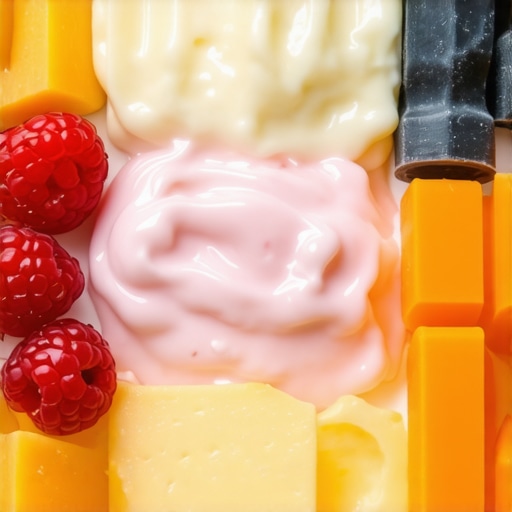
Begin by filling your pantry with options like yogurt, smoothies, mashed fruits, and soft cheeses. These foods are gentle on braces and satisfy the craving for something tasty. I remember the first time I prepped a batch of banana smoothies for my daughter when she was complaining about her braces; it was a hit and prevented her from reaching for chewy candies. Keep in mind that the consistency of your snacks makes all the difference—avoid anything hard or sticky that could dislodge brackets or break wires.
Read Labels and Be Vigilant
Always check snack ingredients for hidden hard components. For example, pretzels might seem harmless but can damage braces if too hard. When shopping, I made it a habit to read labels and pick items explicitly designed for orthodontic safety, like certain soft granola bars or bite-sized cookies. This preventive step saves time and discomfort later. Additionally, educate your children about the importance of avoiding such snacks to foster better habits.
Plan Snacks Beforehand
Preparation is key. Cut fruits and vegetables into small, manageable pieces in advance, and keep them ready for quick snacks. I set aside a container of sliced apples and cucumber sticks in the fridge, which my kid loved munching on without worry. This not only encourages healthy eating but also reduces the temptation of grabbing less suitable options on the go. Remember, consistency in offering safe snacks makes it easier for your child to adapt and avoid risky choices.
Be Creative with Homemade Alternatives
Try making homemade treats that are both fun and orthodontic-friendly. For instance, bake soft muffins or rice cereal treats that your kids can enjoy without damaging their braces. I experimented with baking oatmeal cookies using mashed bananas and oat flour, which my son adored. Creating your own snacks allows control over ingredients and texture, ensuring safety. Plus, involving your child in the kitchen can make the process enjoyable and educational, reinforcing good habits.
Manage Snack Timing and Frequency
Implement structured snack times to reduce constant snacking, lowering the chance of accidental damage. During my experience, setting specific times for snacks helped my family develop routines, and it minimized late-night nibbling on hard candies. Remember, frequent snacking increases acidity in the mouth, risking tooth decay around brackets. Encourage your child to drink water after snacks to rinse away food particles and neutralize acids, further protecting their orthodontic investment.
Seek Professional Advice Regularly
Maintain consistent communication with your orthodontist or family dentist. I scheduled regular check-ups to evaluate my child’s diet and get personalized recommendations. Professionals can suggest specific brands or homemade recipes compatible with braces, or address any concerns about uncommon snacks. Incorporate their guidance to tailor your family’s eating habits, ensuring your child’s braces treatment progresses smoothly.
By systematically applying these steps, you transform snack time from a potential hazard into an opportunity for oral health support. Remember, small daily choices culminate in a healthier, happier smile for your child. For more tips on maintaining overall oral health or to explore the latest innovations in family dentistry, visit this resource.
 Many assume that family dentistry is simply about routine cleaning and fillings, but the truth is far more nuanced. A common myth is that all dental treatments are roughly the same, leading many to overlook the importance of personalized care tailored to each individual’s unique needs. For example, choosing the right type of crown isn’t just about aesthetics; it requires understanding the material’s compatibility with your bite and long-term durability. Experts like Dr. John Smith emphasize that a customized approach significantly improves outcomes, especially when considering procedures like implants or crowns, which demand precise planning and execution. One often overlooked aspect is the misconception that Invisalign is just about straightening teeth; in reality, it also plays a vital role in correcting bite issues and preventing TMJ problems. Advanced mistakes, such as neglecting regular follow-ups, can lead to accelerated wear or misalignment recurrence. Moreover, many believe that maintaining oral health revolves solely around brushing and flossing—yet, factors like saliva composition and genetic predispositions substantially influence dental health. The ‘oops’ trap many fall into involves ignoring early signs of gum disease, which can silently progress and cause irreversible damage, as highlighted by recent research in the Journal of Periodontology. Recognizing these subtleties can save you from costly repairs down the line. For instance, understanding the differences between crowns and veneers can help you make informed decisions about restorative options; crowns often restore severely damaged teeth, while veneers are better suited for cosmetic improvements. To navigate these complexities, consulting with a family dentist who stays updated on the latest innovations and techniques—like zirconia crowns or clear aligners—is essential. They can provide guidance tailored to your life stage and dental priorities. Did you know that regular professional evaluations incorporate advanced diagnostics such as 3D imaging, which enhances treatment planning precision? This technology is transforming how we approach complex cases, ensuring better longevity for restorations and orthodontic treatments. For comprehensive insights into modern family dentistry practices, including how to optimize your oral health routine, visit this guide. Remember, staying informed and proactive can prevent small issues from turning into major problems. Have you ever fallen into this trap? Let me know in the comments.
Investing in the Right Equipment for Lasting Results
Achieving a beautiful, healthy smile isn’t just about the procedure—it requires the right tools and ongoing maintenance. I personally rely on high-quality ultrasonic plaque removers, like the SonicCare Flex, which I use weekly to keep my teeth free of buildup without causing sensitivity. These devices are gentle yet effective, helping prevent tartar accumulation that can undermine your dental work over time. Additionally, I swear by using a water flosser, such as the Waterpik Ultra, which reaches areas traditional floss can’t, especially around crowns and implants. Incorporating these tools into my daily routine ensures my restorations and aligners remain in optimal condition.
What are the best ways to keep your dental work in tip-top shape over the years?
One crucial aspect is adopting a consistent oral hygiene regimen supported by advanced software like the Dental Monitoring App. This app allows me to track my progress and catch potential issues early—like minor plaque buildup or early signs of gum inflammation—before they escalate. Regular check-ins with your dental professional, utilizing 3D imaging technology, also provide a comprehensive view of your oral health, which is essential for maintaining complex restorations or Invisalign trays. In the future, I predict that AI-driven diagnostics will become standard, offering even more precise maintenance pathways tailored to your unique dental profile.
Stay proactive: a quick tip for long-lasting crowns and aligners
One underrated practice is the regular use of phosphate-based remineralizing gels, such as MI Paste Plus, which I apply weekly to reinforce enamel—especially around crowns and veneers. This simple step strengthens the tooth structure and prolongs the lifespan of your dental work. Also, I recommend setting up automated reminders on your smartphone to replace your toothbrush every three months and to schedule biannual professional cleanings. These small habits make a significant difference in sustaining your investment in oral health. For more insights into maintaining your smile with cutting-edge techniques, check out the latest family dentistry trends.
Scaling up: tools for ongoing success
As your dental needs evolve, consider high-tech options like laser whitening kits or at-home whitening strips designed with enamel-friendly ingredients. I personally prefer LED whitening devices that I can use at home, which offer professional-grade results without the frequent visits. These tools are becoming more user-friendly and effective, providing a convenient way to sustain your results long-term. The key is consistency—integrating these tools into your routine helps avoid the fade of your investment in crowns, Invisalign, or veneers. A tip I often share is avoiding sudden, aggressive cleaning methods; instead, opt for gentle, enamel-safe products verified by dental professionals.
Regularly updating your maintenance plan and staying informed about new technologies will keep your smile shining bright. For guidance tailored specifically to your dental journey, don’t hesitate to reach out to a family dentist who stays ahead of innovations. Remember, the future of oral health lies in personalized, tech-enabled care—so take advantage of these tools today and set your smile for long-lasting success!
Lessons Hidden Beneath My Dental Dilemmas
- One eye-opening lesson was realizing that even small snack decisions significantly impact orthodontic success. A seemingly innocent browsing trip turned into a crash course in selecting foods that protect brackets and wires, saving me from costly repairs and discomfort.
- I discovered that involving my kids in preparing their snacks not only made them more excited about healthy choices but also fostered a sense of responsibility that carried over to their oral health routines.
- Understanding that not all ‘soft’ foods are created equal helped me decipher which options truly support braces — a knowledge gem I wish I had from the start, saving both time and frustration.
- Patience became my best friend; replacing habits like grabbing candy or chips with prepared, orthodontic-friendly snacks has rendered mealtime a stress-free bonding moment rather than a battle.
- Regular consultations with our dentist highlighted the importance of tailoring our snack choices to the evolving needs of my child’s treatment, emphasizing that personalized advice is invaluable for long-term results.
Tools and Resources That Changed Our Routine
- Dental Monitoring App: This innovative tool helps me track oral health progress daily, catching issues early and maintaining appliance integrity seamlessly.
- Family-Friendly Recipe Books: I swear by cookbooks focused on orthodontic-safe recipes, which inspire me to create delicious, healthy snacks that my kids love.
- Trusted Educational Websites: Resources like top oral health tips guide my understanding of what truly supports my child’s dental journey, ensuring I stay informed about new evidence-based practices.
- Smart Shopping Guides: Identifying labels and brands dedicated to orthodontic-friendly products has made buying a quick, confident process, avoiding hard or sticky surprises at checkout.
Your Smile’s Future Starts Now
Remember, every small choice—like selecting the right snack—can make a profound difference in your family’s oral health. With the right information and tools, you can transform snack time into an opportunity to support braces and boost confidence. Don’t wait for a dental emergency to realize how powerful your daily habits are: embrace these insights, stay proactive, and watch your child’s smile flourish. If you’re eager for more tips on maintaining a bright, healthy smile or exploring the latest innovations in family dentistry, visit this resource. What’s the most surprising thing you’ve learned about supporting braces at home? Share below!