
The warning signs of an aging filling you shouldn’t ignore
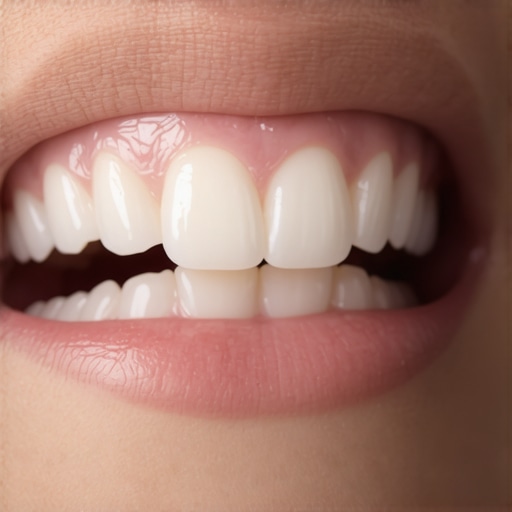
It was an ordinary Tuesday when I bit into my morning apple, only to feel a strange, sharp sensation in my tooth. For a moment, I froze—was that a crack? A sign of something worse? That lightbulb moment made me realize how many of us overlook subtle signs that our dental fillings might be aging or in trouble. It’s easy to dismiss that occasional sensitivity or „feeling“ around a filling as nothing serious, but I learned the hard way that ignoring these signals can lead to bigger problems down the road.
Why Ignoring the Signs Could Cost You More
If you’ve ever experienced discomfort near a filling, you’re not alone. Many people think a bit of sensitivity is normal or a temporary annoyance. However, these small cues can be the first indicators of filling deterioration, cracks, or even decay underneath. Dentists are clear that early detection of these warning signs can save you from painful, costly procedures later, like root canals or full restorations. In my own journey, I didn’t pay enough attention to the minor twinges, which eventually led to a more complicated and expensive fix—a mistake I hope to help you avoid.
Could a minor annoyance become a major problem? Absolutely.
What I wish I had known earlier is that some signs are more crucial than others. For example, increased sensitivity to hot or cold, roughness around the filling edge, or a noticeable change in shape are red flags. According to a study published by the American Dental Association, untreated issues with fillings can accelerate tooth decay and compromise overall oral health (source). Trust me, catching these signs early can make all the difference in preserving your natural tooth structure and avoiding more invasive procedures.
If you’ve ever wondered whether that nagging discomfort after your last check-up is normal or a sign of trouble, you’re not alone. Many patients delay visiting their dentist because they ‘wait and see.’ But delaying can allow minor issues to turn into big problems. That’s why I want to guide you through recognizing these signs and understanding what steps to take next. Let’s dive into how to identify the aging signals of your fillings so you can protect your smile—wisely and promptly.
Spot the Signs Early and Take Action
Start by examining your teeth in a well-lit mirror, feeling for roughness, chips, or any changed shape around your fillings. Use your tongue to identify areas that feel different or sensitive to hot and cold, as these are common indicators of deterioration. When you notice these signs, don’t ignore them; schedule an appointment with your dentist immediately through contact us. During your visit, your dentist will perform a thorough visual and radiographic exam to pinpoint issues beneath the surface, like decay or cracks that aren’t visible to the naked eye.
Implement Routine Checks at Home
Set up monthly oral assessments by gently running your tongue along your fillings to detect any roughness or gaps. Keep an eye out for any unusual discoloration or sensitivity. Make it a habit to floss carefully around each filling, as food particles trapped can accelerate decay. Think of flossing as cleaning the seams of a well-made boat—failure to clean the welds can lead to leaks, just as neglected fillings can develop cavities underneath. Incorporate recognition of early signs into your routine, so issues don’t escalate unnoticed.
Practice Good Oral Hygiene
Consistent brushing twice daily with fluoride toothpaste helps strengthen enamel and prevent further decay. Use a soft-bristled toothbrush to avoid damaging the filling edges—just like carefully polishing a delicate piece of jewelry. Consider using an antibacterial mouthwash to reduce plaque buildup that can harbor bacteria around compromised fillings. These small but strategic steps form a protective shield, much like armor, to prolong the life of your dental restorations.
Prioritize Professional Restorations
If your dentist confirms a filling is compromised, explore options for repair or replacement promptly. For instance, crowns are often recommended when a filling is extensively damaged or has decay underneath. Think of a crown as a sturdy cap protecting your tooth, much like a helmet shields a soldier. To ensure a long-lasting result, seek an experienced family dentistry provider—like those who specialize in crown placement, as explained in this comprehensive guide. Proper restoration not only restores function but also preserves your natural tooth structure, preventing more invasive procedures down the line.
Leverage Modern Technology for Better Outcomes
Advancements such as digital X-rays and 3D imaging allow for early detection of hidden issues beneath fillings. These tech tools are as precise as a microscope, revealing problems that traditional methods might miss. When considering replacements or crowns, opt for clinics with cutting-edge equipment—this ensures accurate diagnosis and effective treatment planning. As the technology in family dentistry evolves, so does the ability to preserve your smile with minimal discomfort and maximum durability, highlighted in this article.
Many people believe that good oral health simply requires brushing twice a day and visiting the dentist periodically. However, this oversimplification can lead to overlooked nuances that are crucial for truly optimal dental care. For instance, a common misconception is that dental crowns are just cosmetic fixes, but in reality, they play a vital role in preserving tooth function and preventing further decay. When considering options like crowns, it’s essential to understand their true purpose and the importance of selecting experienced providers—more details can be found in this comprehensive guide.
Another widespread myth revolves around Invisalign, often perceived as just a cosmetic aligner. Yet, its ability to facilitate family dentistry by improving not only appearance but also oral health is significant. Advanced innovations in Invisalign technology now enable precise adjustments that can prevent future dental complications—explore these advancements further here.
A subtle but impactful mistake many make is underestimating the importance of routine professional evaluations. Some assume that if their teeth look fine, they are healthy, but hidden issues like microcracks or early decay can silently develop beneath the surface. Utilizing modern diagnostic tools such as digital X-rays and 3D imaging enhances early detection, thus avoiding costly and invasive procedures later. Discover how these tech innovations are revolutionizing family dental care in this article.
Why do so many fall into these traps? Often, it’s a mix of misinformation and the natural tendency to overlook subtle signs. Recognizing early symptoms—like slight sensitivity or irregularities—requires a nuanced understanding of advanced dental concepts. For example, the difference between a filling that’s slightly chipped versus one that has developed decay underneath can be delicate—and tricky to spot without professional insight.
Beyond misconceptions, some patients falter because they chase quick fixes instead of understanding the benefits of long-term solutions. For instance, opting for temporary crowns without considering durability can lead to repeated replacements, ultimately costing more. Properly executed crowns, especially when placed by experienced specialists, act as a cornerstone in restorative dentistry, reinforcing your natural teeth and preventing further damage. Insights into selecting the right procedure are available at this resource.
Finally, awareness about advanced techniques like laser dentistry or minimally invasive procedures is often limited. These innovations not only reduce discomfort but also preserve more of your natural tissue—an aspect sometimes overlooked. Keeping informed about such options can significantly improve your treatment outcomes and satisfaction.
Have you ever fallen into this trap? Let me know in the comments. Recognizing these hidden nuances and myths empowers you to take control of your oral health journey—making informed decisions that last a lifetime.Maintaining your dental restorations like crowns and Invisalign aligners over time requires the right tools and a proactive approach. Personally, I prefer using a high-frequency sonic toothbrush, such as the Philips Sonicare DiamondClean, because it provides superior plaque removal around delicate restorations without causing damage. Its gentle yet effective cleaning action helps prolong the life of crowns and prevents decay underneath settings where manual brushing might miss plaque buildup. For consistent flossing, I recommend a water flosser like Waterpik’s Ultra Water Flosser, which easily cleans hard-to-reach areas around crowns and Invisalign attachments, reducing the risk of gingivitis and cavities. These tools are part of my routine because they make maintaining oral health more manageable and effective, especially in a busy family setting.
How do I maintain my restorations over time?
Routine maintenance goes beyond tools; regular professional check-ups remain vital. During visits, I rely on advanced diagnostic technologies, such as digital X-rays and intraoral scanners, to catch issues before they escalate. These innovations allow for early detection of microcracks or decay beneath restorations, which traditional methods might overlook. For example, visiting a clinic equipped with the latest imaging technology, as discussed in this article, ensures your restorations stay in good shape longer.
In addition to professional care, consider applying remineralization treatments, like fluoride varnishes, to strengthen enamel around your crowns and prevent future sensitivity. Incorporating mouthwash formulations with nanohydroxyapatite can also help in maintaining healthy surfaces, supporting long-term durability.
Predictions for the future include smart dental devices that monitor restoration integrity remotely, sending real-time alerts if issues arise. Staying knowledgeable about these innovations equips you to adapt your routine accordingly.
Finally, consistent at-home practices, like gentle polishing with interdental brushes and avoiding abrasive cleaning agents, help keep your restorations functioning effectively.
To start, I challenge you to incorporate a water flosser into your daily routine, as it significantly improves cleaning around crowns and Invisalign attachments. It’s a simple step that offers immediate benefits in protecting your investment in your smile.
What I Wish I Had Known About Keeping My Smile Bright
One of the most powerful lessons I learned is that early signs of dental issues are often subtle and easy to overlook. For example, I used to ignore slight cold sensitivity near my fillings, not realizing it was a warning sign of impending decay. This taught me the importance of paying close attention to these small cues, as they can save you from extensive procedures later. Recognizing that a minor discomfort isn’t just a temporary annoyance but a signal to seek professional advice changed my approach to oral health.
Another insight is that many myths about dental restorations can hinder proper care. I believed that crowns were purely cosmetic, but I discovered they’re instrumental in protecting against further damage and decay. Learning the truth about how crowns and Invisalign can both preserve and improve your oral health motivated me to stay proactive rather than reactive, emphasizing the value of understanding these treatments deeply.
Finally, I realized that embracing modern technology, such as digital X-rays and 3D imaging, isn’t just a luxury but a necessity. These tools have revolutionized early detection, often catching issues before they’re visible to the naked eye. Recognizing this has inspired me to seek dentists who utilize cutting-edge tech, ensuring my smile’s longevity and health for years to come.
Your Next Step with Smarter Dental Choices
To truly care for your smile, consider integrating advanced tools into your routine, like using a water flosser for thorough cleaning around crowns and Invisalign attachments. Regular professional exams with the latest diagnostic equipment are also vital. These investments in your oral health help prevent small issues from turning into costly problems, aligning with the best practices I’ve adopted. Exploring resources like family dentistry’s tech innovations can further guide your journey.
Take Charge of Your Smile’s Journey
Remember, your proactive steps today, like attentive at-home care and regular dental visits, are crucial in maintaining a healthy, confident smile tomorrow. Don’t wait for discomfort to become pain; address signs early and make informed decisions about your dental care. Your smile deserves the best, and a little knowledge can go a long way in safeguarding your oral health. What’s one small change you’re motivated to make today to protect your teeth? Share your thoughts below — your smile’s future self will thank you.