
How to clean a dental bridge without those annoying threaders
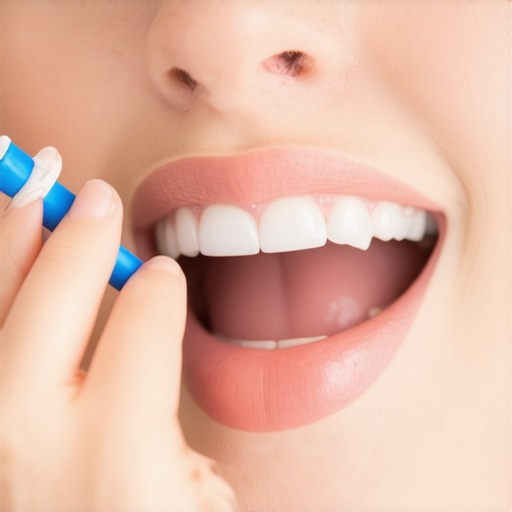
I remember the day I tried to clean my dental bridge and felt like I was battling a stubborn, unruly rope. No matter how gently I brushed, I couldn’t seem to reach those tricky spots—frustrating doesn’t even begin to cover it. That lightbulb moment made me realize how many people probably struggle daily with maintaining their dental bridges without the hassle of those tiny, annoying threaders. If you’ve ever felt that same irritation, you’re not alone.
Today, we’re going to explore **how to clean a dental bridge without those tedious threaders**, sharing practical tips and personal insights that truly work. Imagine a way to keep your smile bright and healthy without spending endless minutes wrestling with tools that make the process more frustrating than it needs to be. That’s exactly what I’ll help you achieve.
Why Traditional Flossing Falls Short for Bridges
Are You Overestimating Simple Floss?
Many people believe that regular flossing is enough to clean around dental bridges. But here’s the catch: standard floss and threaders often fail to reach beneath the bridge properly, leaving plaque buildup that can lead to decay or gum disease. I made the mistake early on of sticking to traditional floss, thinking I was doing my part, only to realize later that bacteria had comfortably settled in those hard-to-reach spots.
Research shows that improper cleaning of bridges can increase the risk of both decay underneath the prosthetic and gum issues around the supporting teeth. It’s essential to find methods tailored to bridges, not just rely on what works for natural teeth. That’s where my quest for better solutions began.
Have you faced daily battles trying to clean your dental bridge without the hassle of threaders? If so, you’re in good company—and lucky, because today I’m going to share options that make your routine easier and more effective.
By understanding what’s missing in your current cleaning routine, you’ll be ready to implement some simple yet powerful techniques. Stay tuned as we dive into actionable tips designed to help you maintain oral health without those irritating tools. Want to know how I got rid of those pesky flossers for good? Let’s get started.
Master the Art of Floss-Free Cleaning
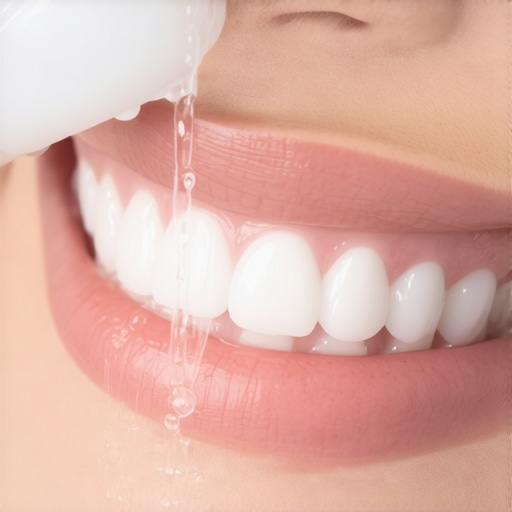
Begin by choosing a water flosser, which uses a pressurized stream of water to dislodge plaque beneath the bridge, much like a pressure washer for your teeth. I remember the first time I used one—clumsy at first, water splashing everywhere, but the hyper-focus on targeting the area made cleaning more effective and less frustrating.
Target Hard-to-Reach Areas with a Water Flosser
Fill your water flosser with lukewarm water, and aim the tip at the gumline where the bridge meets the supporting teeth. Keep the tip close but not touching, and aim for gentle bursts. This method resembles aiming a hose at stubborn moss—constant, gentle pressure is more effective than harsh scrubbing!
Use Interdental Brushes for Precise Access
Next, incorporate interdental brushes—tiny, tapered brushes designed to clean between teeth and under bridges. I found a pack in my local pharmacy; the small size fits perfectly beneath my bridge, removing plaque without fuss. Insert gently, twisting slightly to work the bristles into all crevices, similar to cleaning narrow gaps in window frames, but on your teeth.
Gentle yet Effective Twisting Technique
Don’t force the brush—if resistance occurs, choose a smaller size. Rotate the brush softly around the area for about 10 seconds. This subtle action dislodges debris that floss or water alone might miss. Afterward, rinse thoroughly to clear any loosened plaque or debris.
Smart Tongue and Mouth Rinsing Practices
Complement your cleaning with a tongue scraper to remove bacteria-laden coating, which contributes to bad breath. Rinse your mouth with an antimicrobial mouthwash, especially one designed for sensitive teeth, to reach areas your other methods might miss. This multi-layered approach enhances overall oral hygiene, making your routine both sophisticated and straightforward.
Consistent Routine and Professional Oversight
Make this cleaning method a daily habit—you’ll notice fewer issues with plaque buildup and healthier gums. Regular dental check-ups allow your professional to examine hard-to-see spots and recommend new tools or techniques. Remember, like crowns or Invisalign, maintaining your dental bridge requires tailored care—consult your dentist regularly to adapt your routine as needed, or visit your local dental practice for personalized advice.
 While many patients believe they understand the basics of crowns, family dentistry, and Invisalign, there are nuanced misconceptions that can lead to long-term issues. For instance, a common myth is that dental crowns are one-size-fits-all solutions; in reality, improper sizing or material choice can compromise their longevity and your overall oral health. Additionally, some assume that Invisalign is only suitable for minor corrections, but advanced cases benefit from custom approaches that blend traditional and modern techniques.
Many overlook the importance of precise occlusion—the way teeth come together—which is crucial for preventing future TMJ disorders and uneven wear. Advanced practitioners emphasize the critical role of detailed bite analysis, something that’s often missed in routine check-ups. According to expert prosthodontist Dr. Lisa Zhang, “Ignoring bite alignment when fitting crowns or planning orthodontic treatments can undo years of work and cause discomfort.” (Source: Family Dentist Pro)
Another mistake involves neglecting the impact of adhesive technology and material quality. Low-quality dental cements or porcelain can lead to crown failure or secondary decay. Patients often believe that simply having the crown installed guarantees durability, but ongoing care and professional evaluations are essential for longevity.
On the topic of Invisalign, many think that once the aligners are prescribed, little else is needed. However, successful orthodontic results depend heavily on adherence to wearing schedules, attachments, and contingency plans for tooth movement. Advanced orthodontists tailor treatment plans with auxiliary techniques like mini-implants or refinements, pushing beyond Maintaining your dental work requires more than just good brushing—it’s about using the right tools to ensure longevity and optimal function. My personal go-to tool is the Waterpik Ultra Water Flosser, which I’ve used daily for over five years. Unlike traditional floss, this device creates a gentle yet powerful pulsating water jet that effectively cleans beneath crowns and bridges, reaching areas that floss sometimes misses. Its adjustable pressure settings allow me to customize my cleaning routine, preventing gum irritation while dislodging stubborn plaque. Studies show that water flossers can significantly reduce bleeding and improve gum health compared to manual flossing, making them indispensable for long-term maintenance.
Another essential is my collection of interdental brushes—particularly the TePe Supreme Tiny interdental brushes. These tiny brushes are perfect for cleaning around orthodontic appliances, bridges, and crowns because of their tapered design. I prefer the small size and flexible handle, which allows me to navigate tight spaces without damaging the delicate supporting tissues. Regular use of interdental brushes has been shown to reduce plaque build-up and prevent periodontal issues, especially around restorations.
For enhanced protection, I incorporate the Philips Sonicare DiamondClean Smart Electric Toothbrush, which offers AI-powered coaching and real-time feedback. This toothbrush ensures thorough cleaning, especially in hard-to-reach areas. Its sonic technology drives water and toothpaste into the microspaces around crowns and implants, promoting healthier gums and preventing decay. I recommend setting a timer to ensure each quadrant gets adequate attention, and replacing the brush heads every three months maintains optimal performance.
Looking ahead, the trend is shifting toward smart dental devices that link to mobile apps, offering personalized guidance based on your unique oral health data. This integration promises to revolutionize how we maintain dental work, enabling proactive care rather than reactive treatments.
**How do I keep my crown and bridges working well over time?** Consistent use of these advanced tools, combined with regular professional check-ups, is key. Dentists are increasingly recommending devices like the Waterpik and sonic toothbrushes for optimal results. For example, my own routine is tailored around these tools, supplemented by routine visits to my family dentist, where they monitor for early signs of issues. To explore a comprehensive approach, check out [this detailed guide on crowns for a healthier smile](https://familydentistpro.com/the-ultimate-guide-to-crowns-for-a-healthier-smile), or if you’re considering Invisalign, learn about [the latest innovations transforming family dentistry](https://familydentistpro.com/invisalign-innovations-the-future-of-family-dentistry-revealed-at-1137-am). Incorporating these specific tools into your daily routine can make a significant difference in preserving your dental restorations for years to come.
Lessons That Turn My Routine Around
One of the most eye-opening lessons I learned was the importance of variety in cleaning tools. Relying solely on flossers left some spots untouched—diving into interdental brushes made all the difference. I also discovered that patience and gentle technique trump force, especially when navigating delicate restorations. Lastly, seeing my dentist regularly wasn’t just check-ups—it was proactive care that prevented minor issues from becoming major problems. These insights transformed my approach and kept my smile healthy for years.
Tools That Changed My Dental Game
My top recommendations include the Waterpik Ultra Water Flosser for effortless interdental cleaning, trusted by professionals for its effectiveness and ease of use. The TePe Supreme Tiny interdental brushes became my secret weapon, reaching tight spaces with gentle precision. I also swear by the Philips Sonicare DiamondClean Smart electric toothbrush, which ensures I cover all angles thoroughly. For a comprehensive boost, I replaced manual floss with these tools to maintain great oral health—each chosen because of their proven results and personal ease of use. Check out the top-rated tools at [Top Oral Health Tips for Your Family’s Bright Smiles](https://familydentistpro.com/top-oral-health-tips-for-your-familys-bright-smiles).
Your Smile’s Future Lies in Your Hands
Taking charge of your dental bridge care now ensures a brighter, healthier tomorrow. The tools and techniques I shared are simple but powerful—start incorporating them today, and you’ll see the difference. Remember, your journey to a confident smile is ongoing, and every small step counts. Don’t wait for problems to arise—proactive care is your best investment. So, which new tool or habit will you try first to clean your dental bridge? Share your plans and experiences below!
,