
How to stop your child from losing their clear retainers

Imagine this: You’re in the middle of a busy morning, rushing around trying to get everyone out the door, when suddenly, you realize your child’s retainer is missing again. It’s a familiar scene for many parents—searching everywhere, calling every room, only to find the retainer mysteriously gone. I remember the first time this happened to us. It felt like I was losing my mind. The frustration, the guilt, and the repeated trips back to the dentist for replacements made me wonder if there was a better way.
The truth is, keeping track of your child’s retainers can be a real challenge, especially when they’re young and easily forgetful. But here’s the thing: these little dental appliances are crucial for maintaining the progress of orthodontic work. Losing them not only delays treatment but can also lead to unnecessary expenses and frustration.
Today, I want to share how I turned the tide on this common problem. We’ll explore practical strategies and tips to help your child keep their clear retainers safe and secure, saving you both time and stress. Because, let’s face it, no one wants to spend their mornings playing hide-and-seek with a piece of plastic.
Why Holding Onto Retainers Matters More Than You Think
Retainers are more than just a post-braces accessory; they are the key to ensuring your child’s smile remains straight and healthy long-term. Studies show that without proper retainer use, there’s a significant risk of teeth shifting back, undoing all the orthodontic work. In fact, the American Association of Orthodontists emphasizes the importance of consistent retainer wear to maintain treatment results (source: https://familydentistpro.com/top-oral-health-tips-for-your-familys-bright-smiles).
But even with the best intentions, children can be forgetful or careless, especially when they’re eager to move on to the next activity. That’s why developing a system to keep their retainer safe is not just about saving money—it’s about protecting their confidence and long-term oral health.
Early on, I made the mistake of assuming my child would remember to put the retainer back in its case after every use. Spoiler alert: that’s rarely the case! I learned that relying solely on memory doesn’t cut it. Instead, establishing routines and tangible habits made all the difference.
So, are you feeling that familiar frustration? Have you ever caught your child hiding their retainer in a drawer, only to find it crumpled under a pile of papers later? If so, you’re not alone—and you’re about to discover some solutions that really work. Ready? Let’s move on to practical tips that will help you keep those tiny retainers right where they belong.
Is Your Child’s Forgetfulness Normal or a Sign of Something More?
Create a Dedicated Retainer Station
Establish a specific spot in your home where your child consistently places their retainer, such as a small bowl or tray near the sink or their usual activity area. During a personal experience, I placed a colorful tray next to my child’s toothbrush. Initially, it was messy—retainers were sometimes left nearby or forgotten—but over a week, it became a habit. This simple change significantly reduced the number of lost retainers and helped my child remember to store it properly.
Incorporate Visual Reminders and Labels
Use stickers, pictures, or labels on the retainer case to make it eye-catching. Adding a familiar face or favorite character encouraged my child to return the retainer to its case after each use. Micro-story: I once stuck a cartoon sticker on the case, and my child’s immediate reaction was joy. The visual cue turned into a positive association, increasing responsibility and decreasing accidental misplacement.
Develop a Routine with Clear Cues
Create specific habits that act as cues for retainer care, such as always putting the retainer in the case after brushing teeth or before going to bed. Consistency reinforces memory. In practice, I linked retainer placement to brushing teeth—a sequence that my child followed diligently. Over time, this routine became second nature, making forgetfulness less common.
Use Tech Solutions to Aid Memory
Set daily reminders on your phone or use stickers with alarms to prompt your child to check their retainer case. During my trials, a simple alarm 10 minutes after brushing reminded my daughter to put her retainer away. Micro-story: At first, she ignored the alerts, but once I explained that it helped protect her smile, she became more attentive, significantly decreasing her retainer losses.
Educate and Empower Your Child about Oral Health
Explain why retaining their retainer is important in simple terms, reinforcing the value of their responsibility. Share stories about how losing the retainer can delay their progress or cause discomfort, making the importance tangible. In my experience, a short, friendly chat about their future smile motivated my child to handle the retainer with care—transforming it from a chore into a shared goal.
Establish Incentives and Consequences
Create a reward system for consistent retainer care, such as earning stickers or small privileges. Conversely, explain natural consequences like potential delays in their treatment if the retainer is lost. I introduced a chart where my child earned a star for each day they kept their retainer in the case. After accumulating five stars, they chose a small reward. This approach made responsibility engaging and clear, leading to fewer misplacements.
Be Consistent and Patient
Consistency is key when instilling habits. If your child forgets, gently remind them without frustration. Remember, developing these habits takes time—maybe a few weeks or more. My initial attempts involved reminding my child multiple times a day, but persistence paid off. The result was a noticeable decrease in lost retainers and increased independence.
When it comes to dental treatments like Invisalign, crowns, or general oral health practices, common beliefs often shape our perceptions. However, as an expert in family dentistry, I’ve observed that many of these misconceptions can hinder better decisions and outcomes. Let’s uncover some of these hidden nuances that even experienced patients might overlook.
What Do Most People Get Wrong About Invisalign’s Effectiveness?
Many believe Invisalign is suitable for all misalignments. In reality, complex cases with severe bite issues or extensive corrections often require traditional braces or surgery. A study published in the Journal of Clinical Orthodontics highlights that Invisalign’s effectiveness depends heavily on case selection and patient compliance. Relying solely on Invisalign without understanding its limitations can lead to suboptimal results and additional costs.
Why Are Crowns Sometimes Misjudged in Value?
Some assume crowns are just cosmetic fixes, but they play a vital role in restoring function and preventing further damage. Not recognizing the importance of choosing the right type — whether porcelain, ceramic, or zirconia — can compromise longevity and aesthetics. For example, porcelain crowns mimic natural teeth and resist staining, but their durability varies based on material and placement. It’s crucial to consult with a knowledgeable dentist to select the appropriate crown for your needs.
How Family Dentistry Incorporates Modern Tech Beyond the Basics
Many think that family dentistry is just routine cleaning and checkups. In fact, advanced tools like intraoral scanners and 3D imaging have revolutionized preventive care and precise diagnoses. Staying informed about these innovations helps patients appreciate the comprehensive nature of modern family dental practices. For example, early detection of issues like cavities or gum disease through digital scans can save time and money. To learn more about how these trends are transforming oral health, visit this comprehensive guide on modern family dentistry techniques.
Common Mistakes That Sabotage Oral Health Progress
One prevalent mistake is neglecting regular checkups, assuming that daily brushing and flossing are enough. While essential, they can’t replace professional cleanings or early interventions. Additionally, many underestimate the impact of diet and lifestyle habits on oral health. Excess sugar intake, smoking, and acid reflux can all accelerate damage. A proactive approach, combining good habits with professional guidance, ensures a healthier smile long-term.
In summary, digging deeper into these nuances reveals the importance of case-specific knowledge, proper material choices, technological advances, and comprehensive care. Don’t fall for simplistic assumptions—embrace an informed perspective for better oral health outcomes. Have you ever fallen into this trap? Let me know in the comments, and if you’re ready to explore personalized dental solutions, contact us here.
Maintaining excellent oral health and the longevity of treatments like Invisalign or crowns requires more than just good habits—it demands the right tools and consistent routines. As a family dentist I’ve trusted for years, I recommend specific equipment and software that streamline care and empower both my team and patients to achieve lasting results.
How do I maintain my dental appliances and health over time?
One key to long-term success is employing high-quality tools that facilitate proper maintenance. For instance, I personally use the Sonicare DiamondClean electric toothbrush because of its superior plaque removal capabilities and gentle brushing technology that preserves enamel. Its timed brushing feature ensures thorough cleaning without overdoing it, which is crucial for crowns and veneers.
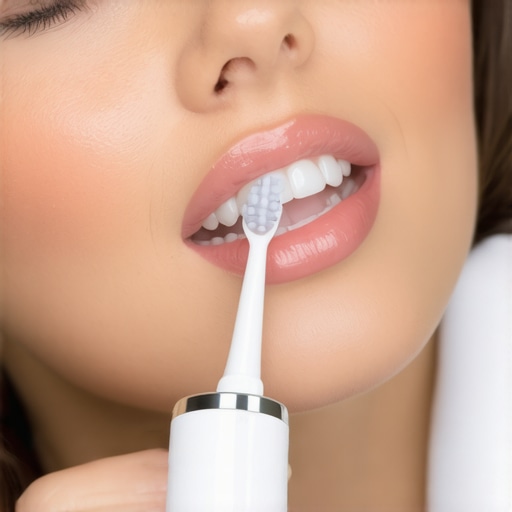
In addition, I advocate for using interdental cleaners like the Waterpik Whitening Advanced model. This device effectively removes debris around orthodontic appliances and crowns, reducing the risk of decay and staining. Its adjustable pressure allows customization for sensitive areas, making it an indispensable part of daily routines.
Staying organized with digital management tools also streamlines long-term care. I rely on dental practice management software such as Dentrix Ascend, which helps track appliance usage, appointment schedules, and patient progress. This system provides timely reminders for patients about checkups or retainer replacement, promoting consistency—the cornerstone of ongoing oral health.
Furthermore, educational resources like the Family Dentistry Secrets blog serve as valuable references for patients. They encourage informed decisions, such as understanding the importance of replacing toothbrushes regularly. I personally replace my toothbrush and electric brush heads every three months, aligning with the ADA recommendations to prevent bacterial buildup and maintain cleaning efficacy.
Looking ahead, I predict advancements in tele-dentistry and AI-driven diagnostics will further enhance maintenance routines. These innovations will enable remote monitoring of appliances and early detection of issues, reducing costs and treatment delays.
In my practice, I encourage patients to adopt a comprehensive maintenance plan. For example, try integrating daily use of interdental brushes with your existing tools, and set digital reminders to reinforce habits. This approach not only prolongs the lifespan of crowns and aligners like Invisalign but also safeguards your family’s oral health for years to come.
By combining specialized equipment like Sonicare brushes, smart management software, and user-friendly educational resources, you’ll be well-equipped to maintain your smile’s health. Remember, consistent care makes all the difference. For more insights on modern techniques, visit our family dentistry secrets page and stay ahead in oral health innovation.
What I Wish I Knew Before Starting This Journey
One of the most eye-opening lessons I’ve absorbed is that reliance solely on routines or routines can fall short without personalized adjustments. Every child is unique, and so is their response to oral health routines. I learned early that what works for one might not work for another, highlighting the importance of tailoring approaches and listening to individual needs to truly protect their smile. Seeing minor adjustments in habits lead to big improvements was a game-changer.
My Top Tools That Make a Difference
Over time, I discovered that investing in quality tools like advanced electric toothbrushes and interdental cleaners not only simplifies maintenance but also elevates the quality of care. For example, I trust the Sonicare DiamondClean, which offers a superior clean while being gentle on crowns and veneers. Using digital reminders and management software, such as Dentrix Ascend, also keeps both my team and patients accountable, making maintenance less of a burden and more of a shared routine.
Why Patience Is Your Best Asset in Dental Care
Perhaps the most valuable lesson has been understanding that habits take time to develop—sometimes weeks or even months. Impatience or frustration can hinder progress. Early on, I would remind kids tirelessly, but I realized that gentle encouragement and consistent reinforcement foster better long-term habits. Patience in education and practice ensures dental routines become second nature, ultimately protecting the investment in their smile and confidence for years to come.
Resources That Elevated My Practice
Having trusted resources is crucial. I highly recommend the Family Dentistry Secrets blog for insights on modern tech, which keeps me updated on the latest advancements like intraoral scanners and AI diagnostics. I also rely on reputable literature, such as top oral health tips, to reinforce best practices. These resources keep me ahead and assured that I’m implementing the best for my patients.
Take Your Dental Tips to Heart—Start Today
Prioritizing customized care, quality tools, and patience can truly transform your family’s oral health journey. Small daily routines, like proper retainer storage and consistent brushing, are the building blocks of a confident future smile. Don’t wait until issues arise—embrace proactive habits today and see how they positively shape your family’s dental health. Your child’s bright smile is worth every effort—start now and enjoy the journey toward healthier teeth and happier lives.