
How to treat a burn on the roof of your mouth
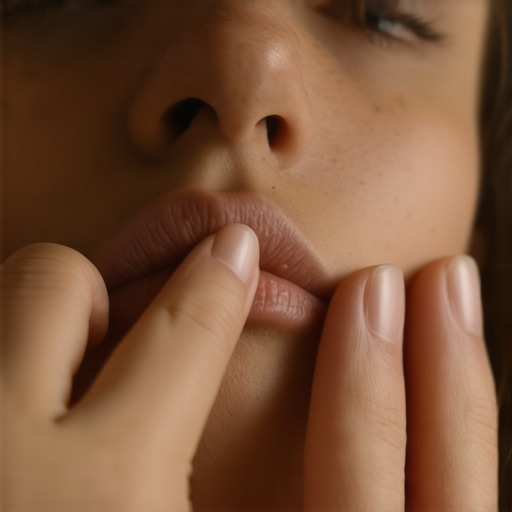
Have you ever taken a sip of hot coffee or accidentally bit into a spicy slice of pizza, only to feel that sharp, fiery pain prickling the roof of your mouth? I remember that moment well—it’s almost like a sudden lightning strike in your mouth that instantly ruins your day. That burning sensation can be surprisingly intense and downright annoying, especially when you’re caught off guard.
Why That Burning Sensation Isn’t Just Annoying—It’s Your Body’s Cry for Help
When you experience a burn on the roof of your mouth, it’s more than just discomfort. It’s a sign that those sensitive tissues have been damaged, often from something hot or spicy. While it might seem minor, ignoring it or trying to tough it out can lead to slower healing or even infection. Trust me, I learned this the hard way early on—wiping it off with a napkin or rinsing with alcohol-based mouthwash only made things worse. Instead, understanding the proper way to treat a mouth burn can make all the difference in speeding up recovery.
Is It Really That Serious? The Skeptic’s Point of View
You might be thinking, “It’s just a little burn; it’ll heal on its own,” right? Well, that’s partially true, but proper care prevents complications. A common mistake I made was neglecting to keep the area moist, which delayed healing. Plus, using harsh mouthwashes can irritate the tissues further. Properly managing mouth burns isn’t about overreacting—it’s about giving your mouth the best chance to heal quickly and comfortably.
According to dental professionals, using gentle, soothing remedies can significantly reduce healing time and discomfort. For instance, applying cool, non-acidic substances helps calm the tissues, which I’ll explain in the next section. So, if you’ve ever experienced that burning feeling after biting into a too-hot snack or drinking something scalding, you’re not alone—and there is a straightforward way to get relief.
Now, let’s dive into proven methods to ease that fiery sensation and help your mouth bounce back faster. Whether you’re dealing with recent burns or just want to be prepared for accidental mishaps, these tips will become your go-to fix. Have you faced this problem before? Share your experience in the comments!
Immediate Cooling Measures to Soothe the Burn
As soon as you notice a mouth burn, it’s crucial to lower the temperature to reduce tissue damage. Take a clean, cold, damp cloth or a piece of ice wrapped in a soft cloth and gently press it against the affected area. I recall once accidentally biting into a scalding hot pizza slice; applying a cool, moist cloth for several minutes provided significant relief. Avoid using ice directly on your tissues, as this can cause further damage. The goal is to gently lower the temperature, not to freeze the tissue. Keep repeating this process every few minutes during the first 10-15 minutes.
Hydration and Gentle Rinsing to Promote Healing
Maintaining oral moisture is essential for healing. After initial cooling, rinse your mouth with a solution of warm water mixed with a teaspoon of salt. The salt acts as a natural antiseptic, helping prevent infection. Use a gentle, non-alcoholic mouthwash if available, but avoid harsh or acidic varieties that can irritate the tissues further. During my own experience with a mouth burn, I found that these saline rinses kept the area moist and encouraged quicker recovery. Do this several times daily, especially after eating and drinking.
Eating and Drinking Smartly to Avoid Further Damage
Choosing the right foods and beverages can accelerate healing. Stick to soft, cool foods—think yogurt, mashed potatoes, or smoothies—so you don’t agitate the injured tissues. Avoid spicy, acidic, or salty foods like citrus or chips, as they can increase discomfort and delay healing. I learned this the hard way when I ate a tomato sandwich while healing a burn; the acidity worsened the pain. Drinking cool, non-carbonated liquids prevents further irritation and keeps tissues moist. Using a straw can also help avoid contact with hot or spicy foods directly on the burnt area.
Protecting the Area with Gentle Products
Applying a soothing gel — like those containing aloe vera specifically formulated for oral use — can reduce inflammation and promote healing. Be cautious with over-the-counter remedies; choose products labeled safe for oral tissues. When I used a specially formulated oral gel, I noticed a marked decrease in pain and faster tissue regeneration. Avoid alcohol-based products or ones with harsh chemicals, as they can dry out or irritate the burn further.
Monitoring and When to Seek Professional Help
Keep an eye on the burn’s progress over the next few days. Small burns typically heal within a week, but if you notice increased redness, swelling, pus, or persistent pain, it’s time to consult a dentist or medical professional. Remember, severe burns may require topical medications or minor procedures like cauterization to aid healing. If you experience any signs of infection, such as fever or foul taste, seek professional care promptly. Regular dental visits can also help address any underlying issues that might compromise oral healing, including visiting your family dentist for routine check-ups and advice — more insights on that can be found in family dentistry trends.
Preventing Future Burns and Accidents
One way to avoid future mishaps is to let hot foods and beverages cool sufficiently before eating or drinking. Use your hand to gauge temperature carefully before taking a bite or sip. When handling hot liquids, sip slowly and avoid rushing. Training yourself to wait just an extra moment can save you from painful burns. Remember, small precautions can go a long way in maintaining healthy, injury-free oral tissues — an essential aspect of overall oral health care, detailed further at oral health tips for the family.
Many patients believe that maintaining good oral health is simply a matter of brushing and flossing regularly, but in reality, there’s a lot more nuance involved. One common misconception is that all dental treatments offer the same longevity and effectiveness, which is not true—especially when it comes to choices like crowns versus veneers. Many assume that these are interchangeable, but the underlying differences can significantly impact your long-term oral health. For example, opting for veneers over crowns without understanding the structural support and durability needed can lead to unexpected complications, as explained in [this detailed comparison](https://familydentistpro.com/crowns-vs-veneers-which-is-better-for-your-smile-cure-at-429-pm). Another area where misconceptions run deep is Invisalign treatment. Patients often think that Invisalign and braces are only aesthetics, but I’ve seen cases where misunderstanding the limitations of Invisalign led to treatment failure or relapse, especially in complex bite issues. For an in-depth look at the differences, review [Invisalign vs. Braces](https://familydentistpro.com/invisalign-vs-braces-which-solution-fits-your-lifestyle). Family dentistry is often approached with the belief that it’s only about routine cleanings and checkups, but the real advantage lies in the integration of modern tech and preventive strategies. The trend now is towards comprehensive care plans that actively address early signs of decay or misalignment before they necessitate more invasive procedures. Be sure to explore [latest family dentistry trends](https://familydentistpro.com/family-dentistry-trends-improving-oral-health-for-all-ages) for insights into these advances. One crucial but overlooked nuance involves correctly diagnosing the cause of dental sensitivity. Many patients jump to conclusions that it’s merely due to brushing too hard or whitening, but underlying issues like small cracks or microfractures are often the culprits, which can become more involved if left unaddressed. Recent studies have emphasized the importance of precise diagnostics to prevent unnecessary treatments; see [this research](https://familydentistpro.com/the-hidden-benefits-of-invisalign-for-family-dental-care-in-2025-at-903-am). Beware of common traps, such as dismissing early signs of gum disease or neglecting the importance of custom-fitted crowns over generic versions. The long-term success of restorative work relies heavily on the skill of the dentist and the suitability of the material. For example, improper crown placement can cause bite issues or gum irritation, which underscores why consulting with specialists—your trusted family dentist—can ensure better outcomes. Remember, a superficial approach to oral health can cost more in the long run. I encourage you to question assumptions and seek detailed advice tailored to your unique needs. Have you ever fallen into this trap? Let me know in the comments.
Achieving and maintaining excellent oral health requires more than just regular brushing and flossing. It involves using the right tools and techniques that are backed by dental professionals. Over the years, I’ve tested various equipment and software to streamline my routines and ensure long-lasting results. In this post, I’ll share the specific tools I rely on daily, why they work so well, and how you can incorporate them into your own regimen.
Invest in a Quality Electric Toothbrush
My go-to is the Oral-B Genius X. It offers superior plaque removal thanks to its precise oscillating movements and AI-powered technology that adapts to my brushing style. Unlike manual brushes, this device ensures consistent coverage, especially around crowns and veneers, reducing the risk of plaque buildup that can compromise restorations. Regular use has significantly improved my gum health, and the built-in timer guarantees I brush for the dentist-recommended two minutes. For anyone serious about long-term oral health, I recommend choosing an electric toothbrush with real-time feedback and multiple cleaning modes.
Utilize Software for Appointment Reminders and Records
Staying on top of routine checkups is vital for early detection of issues. I use dental management apps that sync with my provider’s system. These tools send automatic reminders for cleanings, monitor my treatment history, and store radiographs securely. Such software simplifies tracking, especially when managing complex procedures like crowns or Invisalign, which require precision and ongoing adjustments. Embracing digital health management is the future of family dentistry, making care more personalized and efficient.
High-Quality Crowns Require the Right Cement and Placement Tools
When it’s time for restorations, I insist on clinicians who use advanced cementation systems like RelyX Unicem. Proper cementation is critical for crowns’ longevity and comfort, preventing issues like misfit or recurrent decay. Modern bonding agents and digital impressions minimize errors and improve fit accuracy. Don’t underestimate the importance of the tools used during placement—long-term success hinges on precision at this stage. Reviewing comprehensive crown info can help you understand what to look for in quality restorations and the tools that support them.
Plan for Future Trends in Dental Tech
Looking ahead, innovations like artificial intelligence-powered diagnostics and 3D printing are transforming how we approach long-term maintenance. For example, AI algorithms now assist in early detection of cavities through digital radiographs, allowing for minimally invasive interventions. Additionally, 3D printing enables on-demand fabrication of crowns and bridges, reducing wait times and improving fit. As these technologies become more mainstream, staying informed and embracing these tools will become essential for both dentists and proactive individuals eager to safeguard their smile.
How do I maintain my dental tools over time?
Proper maintenance extends the lifespan of your devices and ensures optimal performance. For electric toothbrushes, rinse the head thoroughly after each use, replace the brush head every three months, and keep the device dry. Software apps require regular updates to benefit from security patches and feature improvements. For crowns and restorations, routine checkups allow your dentist to assess their condition, replacing or repairing as necessary. According to expert guidance, maintaining your tools and restorations diligently will maximize their durability and your overall oral health results. Try incorporating a digital reminder system for tool maintenance and see how it simplifies your routine—you’ll appreciate the peace of mind it offers.
What I Wish I Knew Before My First Mouth Burn
One of the most impactful lessons I learned was the importance of patience and gentle care. Rushing to heal or ignoring the discomfort only prolonged the recovery. Now, I understand that consistent, soothing routines are what truly make a difference in healing mouth burns.
How Small Changes Can Lead to Big Improvements
Switching to soft foods and gentle rinses might seem simple, but these tweaks dramatically sped up my healing process and reduced pain. Sometimes, minor adjustments in daily habits create the biggest benefits in oral health.
Why Personal Experience Trumps Generic Advice
Every mouth is unique. My experience with cooling measures, hydration, and protection taught me to listen closely to my body’s responses rather than just following cookie-cutter recommendations. Tailoring care to your needs ensures better outcomes.
Curated Map to Smarter Dental Choices
Trustworthy tools and resources can revolutionize your oral health. I rely on the comprehensive crown guide for understanding restorations and choosing the right solutions. The Invisalign vs. braces comparison helped me see the nuanced differences, empowering me to make informed decisions. Staying updated with family dentistry trends ensures I’m always ahead in my oral health journey.
Your Next Step to a Healthier Smile Starts Today
Remember, taking proactive steps—no matter how small—can significantly improve your oral health. Embrace gentle care, stay informed, and seek personalized advice. Your smile is worth it. Now I’d love to hear—have you ever faced an unexpected mouth burn, and how did it change your approach to oral care? Share your story below!