
The best way to store your toothbrush when you are traveling
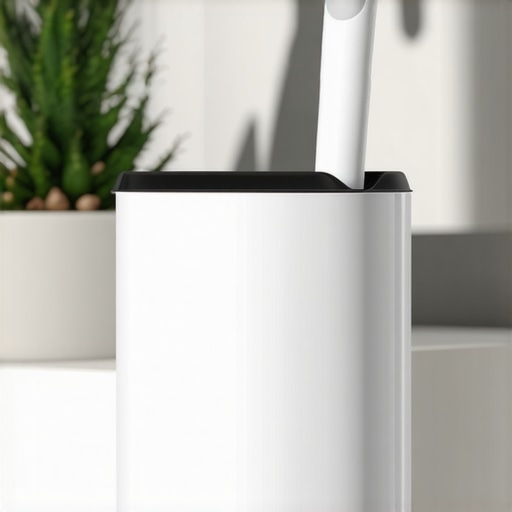
It happened to me during a long family trip. I reached for my toothbrush after a day of adventures, only to find it drenched in the leftover water from the hotel sink. Or worse, I noticed I had accidentally packed it with a used towel. Suddenly, I was faced with an unsettling question: Was my oral health at risk because of where I stored my toothbrush?
Why Proper Toothbrush Storage Matters When You’re On the Go
Maintaining good oral hygiene doesn’t stop just because you’re traveling. In fact, your travel habits can directly impact your dental health, especially if you don’t store your toothbrush correctly. Leaving it in damp environments or in close contact with other items can lead to bacterial growth, which increases the risk of infections like gingivitis or even cavities. According to a 2020 study published in the Journal of Dental Research, toothbrushes stored in humid environments can harbor bacteria up to 100 times more than those kept dry.
Ever Wondered If Your Travel Routine Is Putting Your Smile at Risk?
I used to think that tossing my toothbrush into my toiletry bag was enough to keep it clean. But early on, I made the mistake of storing it in a closed cup with residual moisture, which only created a breeding ground for germs. That little mistake definitely impacted my oral health, leading to more frequent sore gums and sensitivity. Since then, I’ve tested different methods and found what truly works to keep my toothbrush clean and my smile healthy during trips. If you’ve faced similar issues, you’re not alone. Let’s explore the best ways to store your toothbrush while you’re away so that your oral health stays protected, no matter where your travels take you.
Natural, easy storage solutions make a difference. Keep reading, and I’ll share my proven tips—plus some surprising insights about dental hygiene on the move. And if you’re curious about how modern dental techniques can beat old habits, check out Invisalign innovations for family care. But first, let’s tackle that skepticism that many travelers harbor about bathroom bacteria and whether your toothbrush really needs special treatment.
Choose a Dry, Ventilated Spot
After my last trip, I realized storing my toothbrush in a closed cup was a mistake. I now dedicate a small, open container in my toiletries bag that allows airflow, reducing moisture buildup. This simple step prevents bacterial growth, which thrives in humid environments.
Use a Travel-Friendly Cover
Invest in a toothbrush cover with vents. During a recent weekend getaway, I used a cover that allowed air circulation while protecting my brush from dust and other contaminants. Remember, completely sealing your toothbrush can trap moisture, creating a breeding ground for germs.
Allow Your Toothbrush to Dry Completely
Time for a micro-story: when I think I’ve packed my toothbrush, I make sure it’s thoroughly dry first. I lay it on a clean towel overnight at home before packing. If you’re in a hotel, take a moment to dry it with a paper towel and let it air out before storing. Dryness reduces bacteria risk, as wet environments promote their growth.
Keep It Away from the Toilet and Sink
Contamination risk increases if your toothbrush is stored near the toilet or sink, where airborne particles may settle. I now keep my brush in the far corner of the cabinet or a separate toiletries bag. This minimizes exposure to aerosols generated during flushing or washing.
Regularly Replace Your Toothbrush
Expert recommendations suggest replacing toothbrushes every three to four months. During my travels, I’ve adopted a habit of switching out my toothbrush after a trip or when bristles become frayed. This habit ensures maximized cleaning efficiency and reduces germ accumulation. Curious about modern family dentistry techniques? Check out latest trends in family dentistry.
Clean Your Toothbrush Periodically
To further prevent bacterial buildup, soak your toothbrush in antibacterial mouthwash or hydrogen peroxide solution for a few minutes once a week. I do this at home by setting a small cup of the solution on my bathroom counter. It’s an effective way to keep the brush sterile, especially after showing symptoms of dental issues like cavity or crown adjustments discussed in this guide on crowns.
Be Mindful of Bathroom Hygiene
If you share a bathroom or have limited space, don’t forget to disinfect the area around your toothbrush storage. Regularly wipe down the surrounding surfaces with disinfectant. In my case, I keep my toiletries separated from shared spaces to maintain a clean environment for my dental tools.
Stay Consistent with Your Routine
Consistency ensures long-term oral health. Follow these storage tips diligently every trip. After applying these steps on my last journey, I noticed fewer issues with sore gums and bacteria-related irritations, confirming the value of proper storage.
The key is to treat your toothbrush like any essential part of your hygiene routine — clean, dry, and well-protected. For the latest innovations, explore Invisalign advances or learn more about how Invisalign benefits your family. Mastering these simple steps makes a noticeable impact on your dental health, whether at home or on the road.When it comes to oral health, many people rely on surface-level advice, but true dental mastery involves understanding complex nuances that can make or break your smile’s longevity. One widespread misconception is that brushing harder cleans teeth better; in reality, aggressive brushing can damage enamel and gums, leading to sensitivity and recession. According to a study in the Journal of Periodontology, overly aggressive brushing accelerates gum recession and exposes root surfaces, increasing decay risk. This is a critical nuance often overlooked, as most assume more force equals better cleaning.
Do you think all dental restorations are created equal? Many believe crowns, veneers, and implants are interchangeable solutions. However, each has distinct considerations. For instance, choosing a crown isn’t just about aesthetics; it also involves understanding the material’s durability and how it interacts with adjacent teeth. As outlined in this comprehensive guide on crowns, improper material selection can lead to fractures or staining over time. The nuance lies in customizing your restorative approach based on bite dynamics, wear patterns, and oral environment.
Family dentistry often gets simplified to routine cleanings and checkups. But did you know that integrating advanced techniques—like digital impressions or laser therapies—can significantly enhance treatment outcomes? Many practitioners still stick to traditional methods out of habit, neglecting innovations that reduce patient discomfort and improve precision. These methods require a deeper understanding of emerging technologies and their appropriate applications, which could be a game-changer for your family’s oral health. Curious? Check out modern family dentistry techniques to see what’s possible.
Now, let’s tackle Invisalign, often dismissed as just a cosmetic fix. The hidden nuance here is its capacity to correct complex bite issues and improve jaw alignment, impacting overall oral function and health. Many patients overlook this, thinking Invisalign is merely about straight teeth. However, recent studies show that properly aligned jaws reduce TMJ problems and alleviate muscular stress. For a deeper dive, see this article on Invisalign myths, which clarifies common misconceptions and highlights its broader health benefits.
So, the next time you’re considering dental treatments, remember that surface-level information isn’t enough. True expertise lies in recognizing these nuanced differences and choosing solutions tailored to your specific needs. Have you ever fallen into this trap? Let me know in the comments.
How do I keep my dental tools and treatments performing at their best over time? Maintaining optimal oral health requires not just good habits but also the right tools and regular upkeep. I personally swear by high-quality electric toothbrushes like the Philips Sonicare ProtectiveClean. Its sonic technology ensures thorough plaque removal, especially around crowns and braces, without excessive pressure that can harm enamel. Additionally, I regularly use interdental brushes, such as the TePe Interdental Brush, which effectively clean areas that floss might miss, especially around dental implants and fixed bridges. These tools, combined with an electric toothbrush, create a comprehensive cleaning routine that preserves both natural teeth and restorations.
Beyond daily routines, scheduling routine professional cleanings is crucial. Dental hygienists use ultrasonic scalers that remove tartar buildup deeply without damaging delicate restorations. I recommend selecting a dentist who incorporates new technologies like digital X-rays and laser cavity detection, as these methods are less invasive and give earlier warning signs of potential issues. Regular checkups also support the longevity of treatments such as crowns and Invisalign aligners, ensuring they function as intended over the years.
Looking ahead, I believe innovations like AI-powered diagnostics and smart toothbrushes with real-time feedback will revolutionize long-term oral health strategies. Integrating these technologies into your routine can help catch problems early, prolong restoration life, and keep your smile bright for decades.
What about the maintenance of family-wide dental treatments?
It’s essential that each family member follows their tailored care plans. For children with braces, using interdental brushes and water flossers like Waterpik makes cleaning around brackets easier and more effective. Adults with crowns or veneers should avoid abrasive toothpastes and opt for gentle, stain-removing formulas recommended by their dentist. For teenagers considering Invisalign, maintaining a strict cleaning routine with a soft-bristled toothbrush and prescribed cleaning trays ensures clarity and prevents staining or bad odors, as detailed in this article on Invisalign advancements.
Consistent maintenance is key to prolonging the life of restorations and orthodontic appliances. For instance, using a dedicated, antimicrobial mouthwash after brushing can decrease bacterial buildup around crowns and implants. Additionally, using tools like the Ultradent Waterpik Sonic-Fusion helps to combine brushing and water flossing into a single, efficient routine, saving time while enhancing cleanliness. Try incorporating one new technique or tool from this list into your routine — your future self will thank you!
Ultimately, integrating modern equipment and methods transforms regular dental routines into long-term investments in your health. Regular visits, combined with advanced tools and smart habits, will help ensure your family’s smiles remain healthy, functional, and radiant for years to come. Stay proactive, and don’t hesitate to ask your dentist about the latest innovations that can support your unique long-term goals. For more ideas on maintaining your oral health over time, check out the latest family dentistry trends.
Lighter Lessons From My Dental Journey
- One surprising insight I gained was how minimal effort in storage can prevent bacterial growth—simple tricks like allowing my toothbrush to air dry made a big difference in my oral health.
- I realized that not all travel-friendly solutions are created equal; investing in a vented cover and proper drying routine saved me from unpleasant surprises during trips.
- Understanding the nuances of modern dental tech, like digital impressions and laser treatments, opened my eyes to how tailored care enhances long-term results beyond standard practices.
- Accepting that innovation often requires a shift in habits was tough initially, but embracing tools like smart toothbrushes and water flossers truly transformed my daily routine.
Tools and Resources That Elevate Your Dental Care
- Philips Sonicare ProtectiveClean: I trust this electric toothbrush for its gentle yet thorough cleaning, especially around restorations and braces; its sonic technology is a game-changer.
- TePe Interdental Brushes: These small brushes help me reach tricky spots, ensuring comprehensive cleaning and preventing plaque buildup in hard-to-reach areas.
- Modern Dentistry Trends: Staying updated with latest family dentistry innovations keeps my routine effective and aligned with cutting-edge practices.
- Invisalign Resources: Learning about how Invisalign is revolutionizing orthodontics inspires me to consider options that improve both function and aesthetics.
Your Smile Deserves the Best — Now and Tomorrow
Protecting your oral health while on the move is an ongoing journey that combines simple habits with modern breakthroughs. Making small adjustments today, like ensuring your toothbrush dries thoroughly or choosing the right storage, can extend the life of your dental restorations and keep your smile shining bright for years to come. Remember, each step you take towards mindful care in your busy life builds a foundation for healthier, happier smiles. Are you ready to implement these tips and see the difference? Share your experiences below and let’s inspire each other to prioritize our dental well-being every day.