
Why Your New Crown Feels Like a Foreign Object in Your Mouth
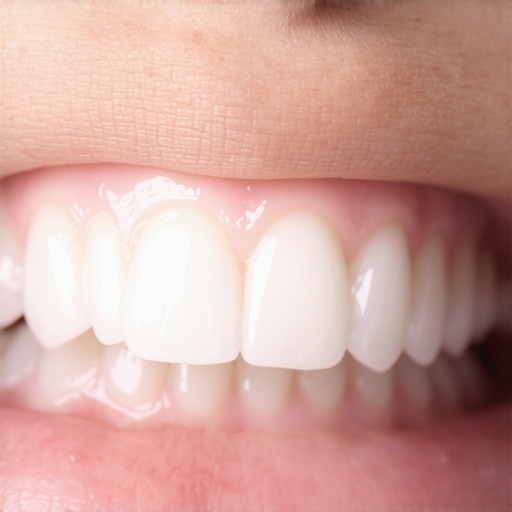
It was a moment I won’t forget. Sitting in the dental chair, I felt a strange sensation—like I’d somehow swallowed a tiny, foreign object. Turns out, that was my brand-new crown, feeling more alien than part of me. If you’ve just had a crown placed and you’re wondering why it feels so bizarre, trust me, you’re not alone. That unsettling, foreign-body feeling can be surprisingly common, and I’ve learned through my own experience that it doesn’t have to be a source of endless frustration.
How a New Crown Can Feel Stranger Than You Expect
When I first got my crown, I thought everything was fine—until I bit into my breakfast toast. Suddenly, I was hyper-aware of this new addition to my mouth, and it was anything but comfortable. The sensation was like having a tiny, rough patch or a foreign object lodged between my teeth. It was disorienting, and honestly, a little unnerving. I kept asking myself, “Is this normal? Will I ever get used to it?”
Many people experience this exact feeling—an odd, unfamiliar texture that makes the crown seem out of place. This sensation arises because your mouth needs time to adjust to the new structure, and in some cases, there are underlying issues that need addressing.
What We Will Cover Today
In this post, I’m going to share what I wish I knew when I first faced this problem. We’ll explore why your crown feels so foreign and, more importantly, how to resolve it. From assessing fit and nerve sensitivity to the importance of proper placement, I’ll walk you through practical steps that can make a real difference—backed by expert advice and my personal experience. Whether you’re battling discomfort or just curious about the process, stay tuned for insights that can help you find comfort and confidence with your new smile.
Is Sensitivity or a Foreign Feeling Worth Worrying About?
Early on, I made the mistake of dismissing the sensation, thinking it would just go away with time. But ignoring persistent discomfort can sometimes lead to bigger issues, like nerve irritation or improper crown fit. According to [family dentistry experts](https://familydentistpro.com/why-your-crowns-are-a-game-changer-in-restorative-dentistry), addressing discomfort early ensures a smoother transition and long-lasting results. If you’re feeling hesitant or overwhelmed, remember that your dentist can help fine-tune the fit or investigate possibilities like nerve sensitivity. Knowing when to seek professional help can save you headaches down the road.
Assess the Fit Properly
My first step was I carefully examined the crown in the mirror, checking for any rough edges or uneven contact points. A crown that doesn’t fit snugly can cause discomfort and a weird sensation. To do this, I gently ran my tongue around the edges, feeling for any sharp spots or irregularities. If you notice something uncomfortable, schedule an appointment with your dentist immediately — a well-fitted crown should feel seamless and natural, much like a perfectly fitted puzzle piece. Proper fit is essential because it prevents food trapping and ensures comfort, as detailed in expert advice on selecting the right crown.
Verify the Bite Alignment
Test Your Bite
Next, I bit down gently on a piece of dental floss to see if my bite was aligned. An uneven bite can make the crown feel awkward or cause it to feel higher on one side, resulting in a foreign sensation. To double-check, I used the mirror to observe whether my upper and lower teeth matched up evenly. If your bite feels off, it’s crucial to return to your dentist for adjustments, since even minor misalignments can cause discomfort. Think of your bite like the alignment of a car’s wheels—if out of sync, everything feels off. Adjusting this ensures the crown functions correctly and feels right, which is highlighted among family dentistry trends.
Address Sensitivity Causes
After checking fit and alignment, I considered nerve sensitivity. Sometimes, the sensation stems from the nerve beneath the tooth reacting to the new crown. I found that a slight over-the-counter desensitizing gel applied around the gum line helped reduce discomfort. However, if sensitivity persists beyond a few days or worsens, it’s a clear sign to see your dentist—persistent nerve irritation can lead to complications, similar to how a small fire, if ignored, can turn into a wildfire. For more on preserving oral health after crown placement, visit this comprehensive guide.
Ensure Proper Placement and Comfort
Finally, I scheduled a follow-up appointment with my dentist to fine-tune the crown’s placement. During the appointment, the dentist used special dental tools to gently adjust the crown height and contact points, making sure my bite was perfect. I learned that even tiny tweaks can drastically improve comfort and eliminate that foreign feeling. Think of it like adjusting a door hinge—small changes can make it swing smoothly. If you’re experiencing persistent discomfort, don’t hesitate to seek professional help, as proper adjustment can restore your confidence in your smile, as discussed in family dentistry insights.
Adopt a Gentle Oral Hygiene Routine
In the initial days, I was extra gentle when brushing around the crown area, using a soft-bristled toothbrush to avoid irritating sensitive tissues. This prevents unnecessary pressure that could worsen discomfort or damage the crown. I also incorporated flossing carefully to prevent food debris buildup, which can exacerbate that strange feeling. Remember, a gentle, consistent routine helps your mouth adapt and reduces the sensation of a foreign object as your tissues heal and adjust. For additional tips on maintaining oral health with crowns, explore top oral health tips.
Many people assume that following basic oral hygiene routines guarantees perfect dental health, but the reality is far more nuanced. A common myth is that once you have a crown or Invisalign device placed, your job is done; in truth, these treatments require ongoing attention and understanding of their complexities. For example, the misconception that crowns are solely for aesthetics neglects their vital role in restoring function and preventing further decay; in fact,, as detailed in expert insights, choosing the right crown involves considering material durability, fit, and even the impact on your bite. Additionally, many believe Invisalign is merely a cosmetic option, but its true benefit lies in preserving your dental health by correcting alignment issues that can cause uneven wear or jaw pain. Exploring the hidden benefits of Invisalign reveals how early intervention can prevent more serious problems down the line.
One advanced trap to avoid is overlooking the importance of precise fit and placement of restorations. An ill-fitting crown or poorly aligned Invisalign tray might seem minor but can lead to uneven pressure distribution, resulting in tissue irritation or even long-term bite problems. This isn’t just about comfort; it’s about the health of your entire oral ecosystem. Despite the common belief that dental procedures are straightforward, the subtle nuances—like the exact contact points or the marginal seal—are what determine their success. This is why consulting with a seasoned family dentist, who stays updated on modern techniques, can make a significant difference.
Another point often missed is the importance of ongoing maintenance after treatments. Many think that once their crown or Invisalign is in place, their worries are over. Yet, regular check-ups can catch subtle issues like material wear, minor misalignments, or tissue reactions before they escalate. As discussed in the latest trends in family dentistry, proactive care is essential to prolonging the lifespan of these restorations.
Have you ever fallen into this trap? Let me know in the comments! Recognizing these nuances and myths empowers you to take control of your oral health—baving confidence that your treatments are not just cosmetic fixes but integral parts of your overall well-being. For in-depth guidance tailored to your needs, reach out through our contact page and make your dental health a priority today.Maintaining your dental work, whether crowns, Invisalign, or family dentistry treatments, requires more than just routine brushing and flossing. Investing in the right tools can extend the lifespan of your restorations and enhance your overall oral health. I personally swear by using a sonic toothbrush like the Oral-B Genius series, which employs oscillating-rotating technology proven to remove plaque more effectively than manual brushes, especially around crowns and braces. Additionally, investing in water flossers such as the Waterpik Aquarius has transformed my daily routine by enabling gentle yet thorough cleaning between teeth and around hardware, reducing debris buildup that could compromise restorations. For tools like Invisalign, maintaining their clarity and hygiene involves using a specialized cleaning tablet—I’ve found Invisalign cleaning crystals invaluable in preventing odor and discoloration over time, aligning with the future trends discussed in recent Invisalign technology advancements. Predicting future directions, I believe digital monitoring apps integrated with dental devices will become standard, offering real-time feedback to improve maintenance routines.
How do I maintain my dental restorations over time?
Regular check-ups are essential, as they allow your dentist to perform professional cleanings and inspections. They can detect early signs of wear or issues like marginal leakage in crowns, which may otherwise lead to complications. Scheduling semi-annual visits aligns with modern family dentistry techniques outlined in top trends in proactive oral care. Remember, even the best tools need proper use; gently brushing with a soft-bristled brush, using interdental cleaners, and avoiding hard or sticky foods significantly prolong the effectiveness of your dental work. I recommend incorporating a supplement like xylitol-based toothpaste, which research suggests can inhibit bacterial growth, thereby reducing the risk of decay around crowns and veneers. Try adopting one of these advanced maintenance strategies today—your future self will thank you for the peace of mind and confident smile that comes with diligent care.
Lessons That Changed My Approach to Smile Care
One of the biggest surprises I encountered was realizing how crucial precision is not just for the appearance of crowns and Invisalign but for their function and longevity. I once dismissed minor discomforts, thinking they were temporary, only to find that neglecting these signs can lead to long-term problems like tissue irritation or bite misalignment. This taught me that listening carefully to my body and acting promptly prevents small issues from snowballing into costly repairs.
Another insight was understanding that technology alone isn’t enough—your commitment to proper maintenance, like gentle brushing and routine check-ups, is what truly preserves your dental investments. I learned that the right tools, consistent care, and a knowledgeable dentist form the trifecta for lasting results. For example, incorporating a water flosser made a significant difference in keeping my crowns and Invisalign trays clean between visits, as discussed in top oral health tips.
Finally, I found out that patience is key. Our mouths need time to adapt to new restorations, and rushing the process can cause unnecessary discomfort. Trusting your dental professional’s guidance and giving your mouth the time to adjust results in a smoother experience. This insight has empowered me to approach dental care with calm confidence and a proactive mindset.
Tools and Resources That Make a Difference
My go-to resource for understanding the complexities of crowns and Invisalign is The Ultimate Guide to Crowns. It offers thorough insights into material choices and fit considerations that I found invaluable. I also rely on reputable brands like the Oral-B Genius series for my electric toothbrush, which provides the gentle yet effective cleaning needed around delicate restorations. For maintaining Invisalign trays, I trust the latest innovations in Invisalign cleaning tablets, ensuring my aligners stay clear and odor-free. These tools, coupled with expert advice, create a powerful routine that safeguards my smile every day.
Empower Your Smile Journey Today
Understanding the nuanced world of dental restorations and Invisalign isn’t just about fixing teeth; it’s about empowering yourself to make informed choices, ensuring your smile lasts a lifetime. Remember, your oral health is a reflection of your overall well-being, and taking proactive steps today can prevent unnecessary pain and expense tomorrow. Don’t wait for discomfort to become urgent—take charge now and enjoy the confidence that comes with a healthy, beautiful smile.