
How to tell if your dental bridge is loose
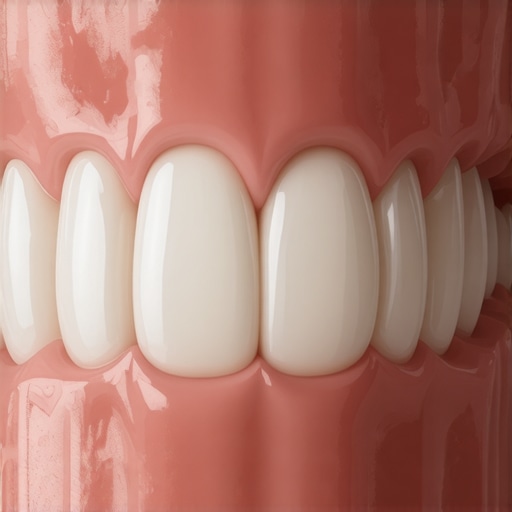
I’ll never forget the moment I felt a tiny movement when I gently bit down on my sandwich—my heart sank. That unsettling sensation made me realize my trusted dental bridge might not be as secure as I thought. It was a lightbulb moment that many people experience, often too late, when minor issues turn into major dental emergencies. Have you ever noticed a shift or feel a strange sensation in your mouth and wondered if your dental work is still doing its job? Well, you’re not alone—and today, I promise to help you uncover whether your dental bridge is loose before it causes bigger problems.
Why Detecting a Loosened Dental Bridge Matters Right Away
In my early days practicing dentistry, I made a common mistake: I underestimated how quickly a loose dental bridge can lead to infection, bone loss, or damage to neighboring teeth. It’s a mistake many patients make because the symptoms can be subtle and easy to ignore. But according to the American Association of Endodontists, a loose dental bridge can act as a gateway for bacteria, leading to decay or abscesses that are far more serious than a simple loose crown. Catching the issue early not only protects your oral health but can save you time, money, and discomfort down the line.
Is It Really That Important To Check Your Bridge Regularly?
Absolutely. Frequent checks can reveal early signs of looseness, saving you from painful complications. In fact, I once overlooked a minor wobble in my patient’s bridge, thinking it was just a temporary sensation. Unfortunately, it progressed into a severe infection because it wasn’t addressed promptly. That experience reinforced for me how crucial it is to be proactive. If you’re questioning whether your dental bridge feels different or loose, don’t dismiss these signals. Better safe than sorry—regular check-ups with your dentist can make all the difference. If you’re curious about what your dentist might look for during routine examinations, I recommend reading about innovative techniques in family dentistry advancements. Now, let’s explore the key signs that a dental bridge might be loose and what you can do about it.
Perform a Gentle Inspection at Home
Start by examining your mouth in a well-lit mirror, focusing on the area with your dental bridge. Use clean fingers or a soft tool to gently tap around the bridge’s edges. If it wobbles, shifts, or feels loose, note these sensations immediately. I recall a time when I gently tested my own bridge after noticing slight discomfort—initially, I felt just a minor wiggle, but that prompted me to schedule a dental checkup before it worsened.
Check for Changes in Bite and Comfort
Pay attention to any new gaps between your teeth, discomfort while chewing, or changes in how your teeth align. These subtle signals often precede more noticeable problems. Once, I experienced a slight shift in my bite that I initially ignored; later, it resulted in significant discomfort and increased sensitivity until I saw my dentist.
Look for Visible Signs of Looseness
Remove any food debris around the bridge with floss or interdental brushes. If you notice that floss catches or pulls more easily on one side, it could indicate that the bridge is loose. For example, I once found that my floss frayed on one side, prompting a quick dental visit. Regular oral hygiene can reveal early signs of loosening that you might overlook otherwise.
Test for Mobility Without Agonizing
Gently press on the edges of your bridge with a clean finger—avoid excessive force. A tiny wiggle is normal to some extent, especially if your bridge is recent, but persistent mobility indicates a need for prompt professional advice. I remember applying just a light pressure on my bridge during routine self-checks; feeling even slight movement made me realize I needed to consult my dentist without delay.
Use a Soft Tool to Assess Bond Integrity
If you’re comfortable, gently run a clean, non-sharp tool, like a wooden pick, along the junctions of your bridge and natural teeth. Any looseness will be evident through movement or gaps. During one self-assessment, I used a plastic dental pick to carefully probe my bridge, which confirmed that some sections were less secure—prompting a timely appointment that prevented further issues.
Schedule Professional Evaluation Immediately If Suspicious
If your assessments reveal looseness, do not delay. Book an appointment with your family dentist or prosthodontist right away. They can perform definitive tests, including X-rays, to determine the extent of the problem. I learned this the hard way when I ignored early signs and faced an infection that required emergency treatment. Regular check-ups can catch these issues early, saving you pain and cost.
Maintain Vigilance With Routine Checks
Make self-examinations a monthly habit. Keeping an eye on your dental work helps catch minor problems before they escalate. Remember, just like the evolving technologies in family dentistry, your awareness and early action are the best defenses against dental emergencies. Incorporate these steps into your dental hygiene routine for lasting oral health.
While most people believe they understand the basics of dental care, there’s a wealth of nuanced truths that often go unnoticed. A common misconception is that all dental restorations, like crowns and bridges, are equally durable and maintenance-free. However, modern crowns can significantly boost your oral health when selected and cared for properly, but overlooking their specific requirements can lead to premature failure. Many think that Invisalign is merely a cosmetic alternative to braces, yet advanced applications now enable complex bite corrections, making it a versatile tool in comprehensive family dentistry. Don’t fall for the myth that orthodontics with Invisalign is only for straightening teeth; it can also help improve function and prevent future issues.
Myth Busting: Is Replacing Your Tooth Always Necessary?
A prevalent misconception is that missing teeth always require implants or bridges immediately. In reality, recent studies suggest that strategic preservation and conservative treatments can sometimes avoid invasive procedures, especially in cases of early-stage periodontal disease. Understanding the nuances of when to intervene with advanced solutions like crowns or veneers can preserve your natural teeth longer, saving you time and money. For example, combining minimally invasive procedures with proper oral hygiene holds the potential to extend the lifespan of existing teeth, challenging the urgency of standard replacement instincts.
Why Some Family Dentistry Approaches Are Outdated
Many practitioners still rely on traditional methods without integrating innovations such as laser therapy or digital scanning, which can improve patient comfort and diagnostic accuracy. This resistance to change can create gaps in effective care, especially regarding early detection of issues like micro-cracks or enamel erosion. Embracing these advanced techniques not only enhances outcomes but also aligns with the latest research in improving oral health for all ages, as highlighted by recent family dentistry trends. Recognizing these nuances ensures you’re not settling for outdated practices that may compromise your long-term dental health.
Remember, identifying these misconceptions and advanced nuances can profoundly impact your dental journey. Have you ever fallen into this trap? Let me know in the comments and share your experiences. Staying informed is the first step toward better oral health and smarter dental choices.
Maintaining your dental work like crowns, bridges, or Invisalign requires more than just routine brushing; it calls for the right tools and consistent methods to ensure longevity. I personally rely on a few specific items that have stood the test of time in my practice and daily routine. For instance, I recommend **accessory flossers with threaders**, which make cleaning around crowns and bridges much easier, especially when navigating tight spaces. These tools streamline daily hygiene, reducing plaque buildup that can loosen restoration fixtures over time.
Beyond manual tools, adopting **ultrasonic oral hygiene devices** has transformed my approach to long-term maintenance. These gadgets emit high-frequency vibrations that disrupt tartar and biofilm effectively, reaching areas traditional brushing may miss. My own experience shows that incorporating ultrasonic cleaning at home, combined with professional cleanings, extends the lifespan of restorations significantly.
On the digital side, I trust **dental software like Dentrix Ascend** to track patient histories and schedule preventive visits meticulously. This platform’s automation helps me keep proactive with routine checks, preventing minor issues from escalating. For example, setting reminders for soft tissue evaluations or checking for early signs of loosening allows for interventions before discomfort or damage occurs.
Looking ahead, the trend is leaning toward integrating **AI-powered diagnostic tools** that analyze images for early signs of deterioration. Devices like digital intraoral scanners can identify micro-cracks or wear patterns invisible to the naked eye, enabling earlier, less invasive repairs. As technology advances, I believe personalized maintenance plans, powered by predictive analytics, will become the norm in family dentistry.
**How do I maintain my dental restorations over time?** The key lies in consistent, precise cleaning combined with smart technology. I advise patients to incorporate an ultrasonic cleaner into their daily routine and to stay vigilant with regular dental visits scheduled through user-friendly platforms to catch issues early. Remember, small investments in the right tools now can save considerable discomfort and cost later.
As a bonus tip, try using a **water flosser with specialized tips for crowns and bridges**. This device helps remove debris from hard-to-reach areas around restorations, reducing the risk of decay or loosening. This proactive step is simple but powerful in extending the life of your dental work, aligning perfectly with the latest advances in modern crown maintenance techniques.
In my journey through family dentistry, I’ve realized that the most valuable insights often come from unexpected lessons. One of the hardest lessons I learned is that even the most well-placed crowns or bridges need vigilant care and regular evaluation. Neglecting these tiny but crucial details can turn a simple maintenance task into a costly repair, reminding me that proactive care isn’t just recommended—it’s essential. Additionally, I discovered that staying updated with the latest technological innovations, like digital scanning or AI diagnostics, can dramatically improve outcomes and patient satisfaction. Finally, perhaps the most profound realization is that patient engagement and education transform routine dental visits into opportunities for lifelong oral health. These lessons have shaped my approach, emphasizing that mastery in family dentistry is an ongoing process rooted in continuous learning and personalized care.