
Why your mouth gets dry specifically at night

It hit me one restless night—waking up with my mouth feeling like I’d been running a marathon through a desert. That sudden dryness was more than just a nuisance; it became a flashing lightbulb moment about my overall oral health. Have you ever experienced this uncomfortable, parched feeling right when you’re supposed to be relaxing? If so, you’re not alone, and the good news is—there are straightforward solutions I’ll share.
Your Nighttime Mouth Woes Might Be More Common Than You Think
Is Dry Mouth at Night Actually Worth the Hype?
Earlier in my journey, I made a common mistake—ignoring the warning signs of dry mouth, thinking it was just a temporary annoyance. Turns out, persistent dryness can lead to serious issues like cavities and bad breath. According to the American Dental Association, dry mouth can increase the risk of tooth decay by reducing saliva’s natural protection, which is vital for neutralizing acids and removing debris. Recognizing this early was a game-changer for me.
If you’ve been brushing it off, wondering if your nighttime dryness is just part of aging or a side effect of medication, consider this a wake-up call. The truth is, addressing the root cause can significantly improve your sleep quality and long-term oral health.
Now, the question is—what really causes this dry spell when you hit the pillow? And more importantly, how can you put an end to it? Keep reading, because next, I’ll walk you through practical steps—based on my own experience—that transformed my nights and protected my smile.
Start with Hydration Habits
Drink Water Before Bed
During my early struggles with dry mouth, I found that drinking a glass of water right before sleeping drastically reduced that uncomfortable sensation. Keep a glass on your nightstand and sip slowly, especially if you tend to breathe through your mouth at night. This easy habit acts like a sponge, replenishing saliva levels and maintaining moisture.
Avoid Dehydrating Beverages
Limit caffeine and alcohol intake in the evening. These drinks are like drying agents for your mouth, making dehydration worse. Instead, opt for herbal teas or water enriched with a slice of cucumber or lemon, which can encourage saliva production without the diuretic effect.
Optimize Your Sleep Environment
Use a Humidifier
In my experience, dry air from heaters or air conditioning contributed heavily to dry mouth. Introducing a humidifier into your bedroom adds moisture to the air, creating a more saliva-friendly environment. It’s like turning the desert into a lush oasis — simple, effective, and worth the effort.
Change Your Sleeping Position
Sleeping on your back encourages mouth breathing, which exacerbates dryness. I experimented by adjusting my pillow and found that sleeping on my side reduced mouth openness, helping my saliva stay where it belongs. A shift in posture can feel awkward at first, but the benefits are noticeable quickly.
Alter Your Nighttime Routine
Skip Excessive Oral Drying Agents
Some mouthwashes contain alcohol or astringents that can dry out your mouth further. I initially thought rinsing before bed was beneficial, but I switched to alcohol-free formulations and noticed immediate improvement. For example, modern techniques in family dentistry emphasize gentle, hydrating options.
Use Saliva Substitutes if Necessary
In persistent cases, over-the-counter saliva substitutes act like a splash of oasis in dry desert conditions. I tried gel-based options, which provide a protective coating and last through the night. These substitutes are especially useful if dry mouth is caused by medication side effects or health conditions.
Target Underlying Causes
Review Medications with Your Dentist
Some medicines reduce saliva flow, similar to how some antihistamines dry airways. I scheduled a consultation with my dentist and learned that many drugs can be adjusted or substituted. Don’t ignore persistent dry mouth—addressing the root cause can make a bigger difference than temporary fixes.
Manage Medical Conditions
Issues like diabetes or sleep apnea also influence saliva production. Getting these conditions managed is like fixing the plumbing in a house — essential for long-term oral health. A multidisciplinary approach involving your healthcare provider ensures comprehensive care.
Adopt Good Oral Hygiene Practices
Brush Gently with Hydrating Toothpaste
I switched to a fluoride-rich, hydrating toothpaste recommended in top oral health tips. Gentle brushing preserves your enamel while adding minerals that fight decay, especially vital when saliva production is compromised.
Floss Daily to Remove Bacterial Build-up
Accumulated plaque can worsen dry mouth symptoms by irritating tissues. I found that flossing every evening keeps my mouth clean and reduces dryness caused by inflammation or bacterial overload. This simple step makes a significant difference in overall comfort.
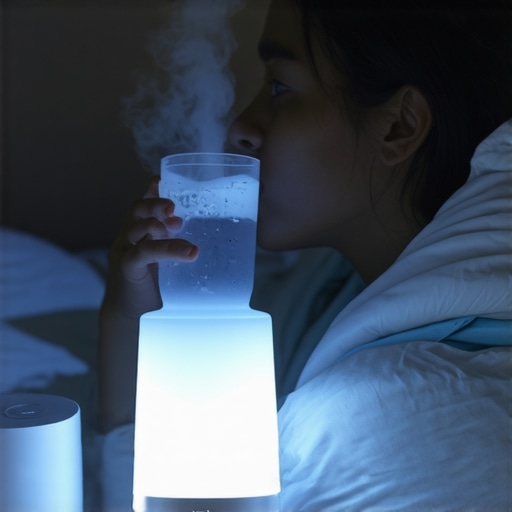
Implementing these concrete actions turned my nights around. Instead of waking up parched and uncomfortable, I now enjoy more restful sleep and healthier teeth. Remember, these steps are like building blocks — when combined, they create a resilient foundation for ongoing oral health.
Many assume that family dentistry is just about routine cleanings and basic check-ups, but the reality is far more nuanced. For example, a common misconception is that all dental restorations, like crowns, are created equal. In truth, choosing the right type of crown can significantly impact long-term oral health, durability, and aesthetics. While some believe that Invisalign is solely for cosmetic cases, advanced practitioners understand its broader applications in improving bite function and jaw alignment, not just straightening teeth. For an in-depth look at these innovations and their strategic benefits, check out [Invisalign innovations](https://familydentistpro.com/invisalign-innovations-the-future-of-family-dentistry-revealed-at-1137-am).
A critical mistake many make is assuming that traditional braces are the only effective orthodontic solution. This overlooks modern alternatives tailored for different lifestyles and dental needs. Furthermore, a widespread myth is that crowns are purely cosmetic, but they actually serve vital restorative purposes that can prevent further decay or even save a tooth. For detailed insights on this topic, visit [Crowns and their revolutionary role](https://familydentistpro.com/why-crowns-are-a-game-changer-in-restorative-dentistry).
However, the most overlooked aspect in oral health management is understanding the importance of individualized treatment plans. A one-size-fits-all approach often neglects specific nuances like enamel health, bite dynamics, or underlying medical conditions that influence oral care strategies. For example, patients with acid reflux or certain medications may require specialized preventive measures to protect restorations and natural teeth alike.
Have you ever fallen into this trap of oversimplification? Let me know in the comments. Remember, mastering the nuances in family dentistry not only preserves your smile but also enhances overall health — it’s about more than just the surface.Maintaining excellent oral health over the years requires more than just visiting your dentist regularly; it involves using the right tools and techniques that support your unique needs. Personally, I rely heavily on a combination of high-quality equipment and innovative methods to ensure my family’s smiles stay healthy and beautiful. A prime example is my use of a sonic toothbrush, which I find significantly more effective than manual brushing at removing plaque and preventing cavities, especially around crowns and implants. These devices are designed with advanced oscillating and pulsating tech that reach areas traditional brushes might miss, making them indispensable for long-term care.
Another essential tool I swear by is a water flosser. Unlike conventional floss, my water flosser uses a targeted jet of water to clean between teeth and around dental restorations. This is particularly beneficial for family members with braces or crowns, where traditional flossing can be tricky or damaging. It’s a game-changer for maintaining gum health and preventing the buildup of bacteria.
When it comes to long-term results, investing in a digital CAD/CAM scanner for at-home monitoring can be a forward-thinking move. These devices, while more common in dental offices, are now becoming accessible for home use, allowing you to keep an eye on your oral health status and catch issues early. Keep in mind, consistent use of these tools complemented by professional checkups can drastically reduce the risk of cavities or crown failures.
Looking ahead, I predict the trend towards smart dental devices will only grow. Integration with smartphone apps can track brushing habits, provide real-time feedback, and even alert you if you’re applying too much pressure. This convergence of technology and personal care empowers families to take control and ensure their dental work lasts longer.
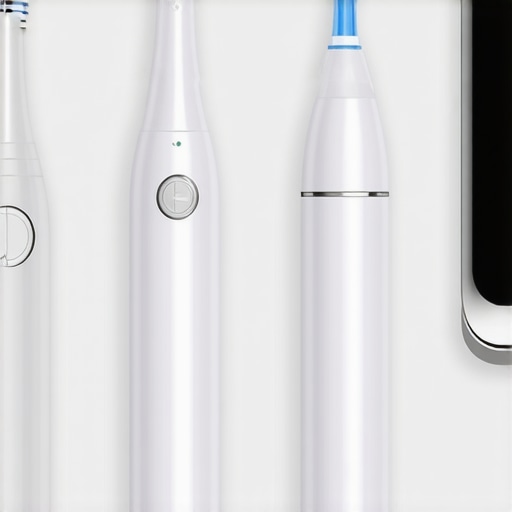
So, how do I maintain these tools over time? Regularly replacing brush heads on sonic toothbrushes every three months is fundamental. I also clean my water flosser’s reservoir weekly with vinegar to prevent mineral buildup, as recommended by dental experts like Dr. Mark Wolff, a prominent figure in oral health research. Ensuring these devices stay in top shape extends their lifespan and effectiveness.
If you’re serious about making your dental tools work for years to come, consider incorporating a dental health app that syncs with your devices. It helps track usage patterns, reminds you when to replace parts, and offers personalized tips aligned with your unique dental needs. Adopting such technology not only saves money but also optimizes your preventive care routine.
Remember, the secret to long-lasting dental health is consistency, and using the right tools smartly makes all the difference. Try integrating a high-quality sonic brush or a water flosser into your weekly routine and notice the difference in your family’s smile resilience. For more advanced insights and personalized recommendations, don’t hesitate to consult your dental professional—your smile deserves it. And if you want a deeper dive into the latest in family dentistry technology, check out [family dentistry secrets](https://familydentistpro.com/family-dentistry-secrets-maintaining-oral-health-with-modern-techniques-at-254-pm). Keep your tools in top shape, and they’ll keep your family’s smiles shining bright for years to come.
Throughout my journey in family dentistry, I’ve realized that the most powerful lessons come from personal experiences and continuous learning. One of the most enlightening truths I’ve uncovered is that proactive, personalized care beats generic solutions every time. For instance, I once dismissed minor gum sensitivities, only to find they signaled deeper issues. Addressing these early with tailored strategies, like specific fluoride treatments or adjusted cleaning routines, saved me from more invasive procedures later. It’s a reminder that understanding your unique oral landscape—beyond just brushing twice a day—is crucial for lifelong health.
Another lesson is the importance of embracing new technologies. I initially hesitated to invest in advanced tools like 3D scanners or digital imaging. However, integrating these innovations into my practice not only improved diagnostic accuracy but also shortened treatment times and enhanced patient comfort. These experiences taught me that staying ahead with cutting-edge equipment is not just about modernity but about delivering the best possible care tailored to individual needs. Trusting and leveraging technology allows us to uncover insights that were previously hidden, leading to more effective and longer-lasting solutions.
Lastly, I’ve learned that clear communication and education are the backbone of successful family dentistry. Explaining complex procedures, like crowns or Invisalign, in relatable terms ensures patients are empowered to make informed decisions. Sharing stories of how specific treatments like Invisalign can improve not just appearance but also bite function helped many see value beyond aesthetics. Making this information accessible fosters trust and encourages proactive participation in maintaining oral health—a lesson I carry into every consultation.