
Why your jaw clicks more when you’re tired
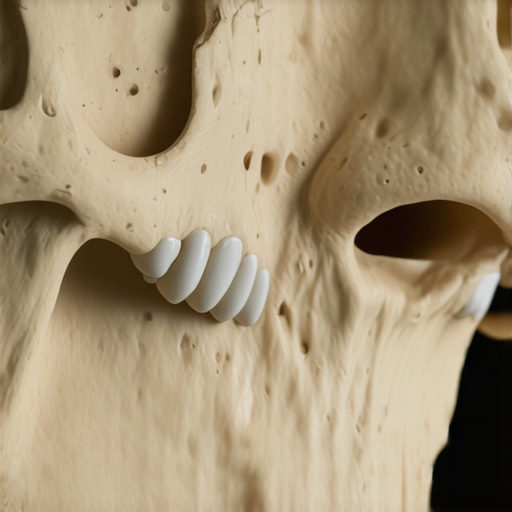
Have you ever experienced that sudden, almost involuntary click in your jaw as you’re winding down after a long day? One minute, you’re just settling into your evening routine, and the next, there’s this awkward, uncomfortable sound—and sometimes even pain. I remember the first time it happened to me: I was exhausted, massaging my jaw in frustration, wondering if I was imagining things. Turns out, I wasn’t. That persistent clicking was trying to tell me something real about my health.
Discovering the Connection Between Tiredness and Jaw Clicking
It surprised me how often fatigue could make my jaw act up. One evening, after a particularly stressful week, I noticed my jaw click and throb more than usual. That’s when I started digging into the reasons behind this strange phenomenon. Turns out, when you’re tired, your muscles tend to relax differently, and your body’s stress responses can influence your jaw joint (the temporomandibular joint or TMJ). This can cause the joint to shift slightly out of place or put extra strain on the muscles attached to it, resulting in that unmistakable clicking or popping.
Understanding this link has been a game-changer for my oral health. If you’ve noticed your jaw noise or discomfort worsening when you’re drained or sleep-deprived, you’re not alone. Many people overlook how fatigue impacts their TMJ, but addressing this connection can significantly improve your comfort. In fact, a study published in the Journal of Oral & Facial Pain and Headache highlights how stress and exhaustion can exacerbate TMJ disorders. Recognizing the signs early prevents the issue from becoming more serious.
So, how do we take charge? First, it’s essential to identify if fatigue is a factor in your jaw clicking. If you’re tired more often or notice increased jaw discomfort after long days, there’s a good chance they’re connected. But before jumping into solutions, I want to share a common mistake I made early on—ignoring the signs and hoping it would just go away. That’s a surefire way to let the problem escalate. Instead, I recommend learning some simple strategies to manage fatigue and protect your jaw, which I’ll explore next.
Have you ever noticed your jaw clicking more after a late night or stressful week? If so, you’re not alone—and understanding this link can lead you toward relief.
Identify and Track Your Fatigue Levels
Start by keeping a daily journal noting when your jaw clicks or feels uncomfortable, along with your energy levels. This helps establish a pattern—if clicking worsens after late nights or stressful days, fatigue is likely a trigger. For example, I once documented my evenings and noticed that on nights I stayed up late, my jaw would click more frequently, confirming the link. Use this data to plan adjustments in your routine.
Prioritize Rest and Sleep Hygiene
Ensure you get adequate, quality sleep each night. Create a consistent bedtime routine: dim the lights, avoid screens an hour before bed, and maintain a cool, comfortable room. This helps muscles relax fully, reducing TMJ strain. When I committed to an earlier bedtime, I observed a noticeable decrease in jaw issues, illustrating the power of proper sleep hygiene.
Manage Stress Effectively
Stress often causes muscle tension, exacerbating jaw clicking. Incorporate stress-reduction techniques such as deep breathing exercises, meditation, or light stretching. Personally, I started practicing 5-minute mindful breathing sessions during breaks, which reduced my overall muscle tension and minimized jaw discomfort.
Incorporate Gentle Jaw Exercises
Specific jaw stretches can promote mobility and reduce clicking. For example, gently open your mouth wide, hold for a few seconds, then slowly close. Repeat several times daily. Remember not to force movements—it should be comfortable. I once added these exercises to my morning routine, and over weeks, I noticed less frequent clicking and improved comfort.
Adjust Your Daily Habits
Be mindful of habits like teeth grinding or clenching, especially during fatigue. Consider using a soft mouthguard at night or when feeling particularly stressed. Chewing gum excessively can also strain your jaw—limit this to avoid adding unnecessary pressure. My experience with a nightguard significantly reduced tension-related clicking during stressful periods.
Seek Professional Evaluation
If self-management doesn’t improve symptoms, consult a dentist specializing in TMJ or orofacial pain. They can assess structural issues, including the condition of your crowns or alignments. For instance, I once visited a family dentistry expert who identified slight misalignment that contributed to my jaw clicking. Professional guidance ensures targeted treatment, such as adjustments or specific therapies, leading to better outcomes.
Implementing these steps requires consistency, but the payoff—reducing discomfort and restoring jaw function—is well worth it. Remember, managing fatigue and stress directly impacts your TMJ’s health, helping prevent issues from escalating.Many assume that getting a dental crown or opting for Invisalign is straightforward, but beneath the surface lie nuances that can significantly impact your oral health outcomes. For instance, a common misconception is that all crowns are equally durable; however, the choice of material and the technique used by your dentist play crucial roles in long-term success. According to a study in the Journal of Prosthetic Dentistry, improper crown placement can lead to bacterial leakage, causing decay beneath the restoration. This highlights the importance of selecting an experienced specialist, as discussed in expert advice for long-lasting crowns. Another often overlooked detail is that Invisalign treatment isn’t just about straighter teeth—it’s also about how aligners influence your oral hygiene routine. Some people underestimate the challenge of cleaning around attachments or worry that aligners might collect bacteria if not properly maintained. The truth is, with proper cleaning protocols, Invisalign supports overall oral health, provided you follow precise guidelines outlined in debunking Invisalign myths. When it comes to family dentistry, many mistakenly think that preventive care is optional or only necessary when problems arise. The reality is that regular check-ups are the key to catching issues early—especially in children, whose growing teeth are susceptible to misalignment or decay if neglected. Modern family dentistry techniques, such as digital x-rays and laser treatments, enhance safety and comfort, as highlighted in modern family dentistry secrets. A crucial pitfall to avoid is dismissing the significance of proper material selection for restorations. For example, opting for cheap porcelain veneers might save money initially but can lead to discoloration or chipping prematurely, undermining your confidence and requiring costly replacements. Consulting with a skilled dentist ensures that you choose the best materials for your unique needs, as demonstrated in comprehensive crown guide. To ensure your treatments last, maintenance routines and patient education are vital yet often neglected. Many patients overlook the importance of gentle brushing techniques and avoiding hard foods, which can compromise the integrity of crowns or Invisalign attachments. Emphasizing ongoing patient education, as detailed in how crowns improve your smile, helps maintain your investment in oral health. Have you ever fallen into this trap of underestimating these details? Let me know in the comments. By understanding these nuances—like the significance of expert selection, proper hygiene, and material choice—you can make smarter decisions that preserve your smile and health for years to come.
Invest in Quality Instruments and Proven Methods
Maintaining your oral health tools is crucial for ensuring consistent, effective care. I personally rely on high-quality ultrasonic scalers like the Cavitron because they deliver superior plaque removal without damaging the enamel, which cheaper models often risk. Additionally, I use immersion disinfectants such as Idexx’s DisCide, which I choose because of its proven effectiveness against a broad spectrum of pathogens, including resilient bacteria like Enterococcus faecalis. Regularly updating my tools and methods helps me provide the best care, preventing long-term issues like cavities or periodontal disease.
Leverage Technology for Maintenance and Document Progress
Modern software solutions like Dental Monitoring allow me to remotely track patient progress through high-resolution photos and AI-driven analysis. This not only streamlines visits but also enables early detection of problems before they escalate. As oral health trends evolve towards personalized care, integrating digital tools ensures your maintenance routine stays ahead of issues, saving you time and money in the long run.
Schedule Routine Checks and Servicing
Beyond using the right tools, routine maintenance and servicing of equipment are essential. I recommend scheduling professional calibration and sterilization for your instruments at least biannually. This practice minimizes wear and tear, which can compromise performance or introduce contaminants. For example, failing to properly sterilize dental handpieces can cause cross-infections, emphasizing the importance of disciplined servicing. Incorporate calendar alerts to stay consistent — your long-term oral health depends on it.
Prepare for Future Delays With Smart Storage and Backups
Proper storage is often overlooked but vital. I store my tools in sealed, sterilized containers with silica gel packs to avoid moisture build-up. For digital records and software, regular backups prevent data loss due to technical failures. As the tech trends in family dentistry expand—like how crowns enhance oral confidence—organizing your tools and data ensures seamless, uninterrupted care, no matter what challenges arise.
How do I maintain my dental tools over time?
Developing a disciplined routine that combines proper storage, regular professional servicing, and the use of proven disinfectants is key. I personally recommend investing in a quality ultrasonic cleaner and adhering to a strict sterilization schedule to ensure each instrument functions flawlessly. These practices significantly extend the lifespan of your equipment and uphold optimal hygiene standards, thereby safeguarding your long-term oral health. For more advanced techniques, consider exploring even expert-level methods such as incorporating professional crown maintenance. Ready to upgrade your tool care routine? Try integrating ultrasonic cleaning into your regimen—it’s a game-changer for durability and health safety.
Through my journey with crowns, Invisalign, and family dentistry, I learned that the smallest details make the biggest difference. One of my most profound lessons was the importance of personalized care—therapy and treatment plans tailored specifically to your unique oral landscape can dramatically extend the life of your restorations and orthodontic results. Ignoring this personalized approach often leads to premature failures and frustrations. Additionally, selecting quality materials over shortcuts ensures durability and aesthetic harmony, reaffirming that investing in the best pays off in confidence and longevity. Lastly, fostering open communication with your dental professional about habits, concerns, and lifestyle can prevent costly mishaps and promote ongoing health—because your smile deserves attentive, expert care at every step.