
How to stop your night guard from making you drool

I remember the first night I tried wearing my custom-fit night guard, confidently believing it would protect my teeth and ease my jaw tension. Instead, I was greeted with an unexpected flood of saliva, pooling around my pillow and making me wake up in the middle of the night—annoyed, uncomfortable, and wondering if I’d made a terrible mistake. That was a lightbulb moment for me. I realized I wasn’t alone in this struggle, and it was more common than I thought.
Why Does My Night Guard Make Me Drool?
Many people, like I was, don’t anticipate that a night guard can lead to increased drooling. It’s a frustrating issue because it seems counterintuitive—if the guard is supposed to help protect your teeth, why does it cause so much excess saliva? The truth is, the fit and design of the guard play crucial roles. An ill-fitting night guard can stimulate the salivary glands or prevent your mouth from closing properly, leading to more drool. Additionally, some materials used in manufacturing are more likely to cause saliva buildup, especially if your mouth is adjusting to the new appliance.
Early on, I made the mistake of ignoring this problem and simply adjusting to the discomfort, thinking it was just a phase. Unfortunately, that only made the situation worse, leading to more waking nights and a sore jaw. Over time, I learned that the key was in understanding the root cause—poor fit, material choice, or inadequate adaptation—and addressing it directly.
Is Excessive Drooling an Indicator of a Bigger Issue?
While often superficial, persistent drooling might sometimes hint at other underlying oral or neurological issues. However, in the context of night guards, it’s most frequently related to the design and fit. If you’re experiencing this problem, it’s wise to consult your dentist, who can help assess whether your guard needs adjustments or a different material. I also recommend checking out trusted resources like Invisalign myths debunking articles for additional insights on appliance compatibility.
This article will walk you through the practical steps I took—from consulting my dentist to experimenting with different guard designs—to finally regain a restful, drool-free sleep. If you’ve faced this hassle, know that solutions are within reach, and you don’t have to accept a mouthful of saliva as your nightly norm.
Assess Your Night Guard’s Fit Carefully
Start by inspecting your guard in natural light, checking for gaps or noticeable looseness. Remember, a poorly fitted guard can stimulate salivary glands or fail to close your mouth properly, increasing drooling. I once used a small mirror and gently pressed around the edges to detect any looseness; this revealed areas that needed realignment before visiting the dentist.
Consult Your Dentist for Precise Adjustments
Schedule a professional appointment to have your night guard professionally adjusted. Don’t try to fix it yourself with household tools; this can damage the material or worsen the fit. During my visit, the dentist used a specialized grinder and molding techniques, which significantly decreased my drooling. For more insights on selecting the right expert, check how to choose a dental expert.
Experiment with Different Materials and Designs
Try Soft vs. Rigid Guards
Soft guards tend to be more comfortable but might not fit as securely, leading to saliva buildup. Rigid guards often provide a better seal, reducing drool but sometimes causing discomfort. I tested both styles—initially opting for a soft guard, which felt cozy but didn’t stay in place. Switching to a rigid design with the help of my dentist made a noticeable difference.
Consider Custom-Fitted vs. Over-the-Counter Options
While OTC guards are affordable, they rarely provide the precise fit needed to minimize saliva pooling. Custom-fitted guards, though pricier, are tailored to your mouth’s anatomy, significantly lowering the risk of drooling. I remember struggling with a generic guard until I invested in a custom solution, which finally brought relief.
Use Natural Techniques to Adapt and Reduce Saliva
Gradually acclimate to wearing your guard by using it for short periods during the day, allowing your mouth to adjust. Chewing sugar-free gum briefly can help train your salivary glands to produce less excess saliva. I made a point of wearing my guard during short daytime sessions, which eased the transition and dampened my saliva overproduction at night.
Implement Supportive Habits for Better Results
Maintain good oral hygiene to prevent irritation that could exacerbate saliva flow. Avoid spicy or acidic foods before bed, as they can increase salivation. Practice relaxing your jaw by gently massaging the muscles or doing deep breathing exercises to reduce tension, which may otherwise stimulate unnecessary saliva. After adopting these habits, I noticed my drooling decreased gradually over a week.
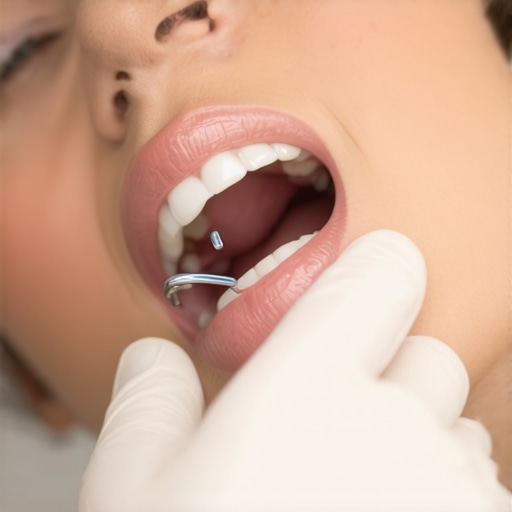 Many patients assume that choosing a dental crown is just about aesthetics or function, but the truth is, there’s a nuanced layer often overlooked: material compatibility and long-term health impacts. While many believe more expensive options always mean better outcomes, studies show that the proper fit and material selection tailored to individual needs significantly influence durability and oral health maintenance. Similarly, with Invisalign, the myth that it’s only about straightening teeth overlooks its transformative effects on bite function and jaw health, especially when combined with modern pre-treatment planning. An advanced mistake I often see is patients neglecting the importance of the initial assessment; neglecting to evaluate bone density and gum health can lead to orthodontic complications. Experts emphasize that understanding these factors is vital for successful, lasting results (according to Invisalign insights). In family dentistry, the misconception that frequent cleanings alone ensure oral health can be misleading. Oral health is a complex interplay of genetics, diet, and hygiene habits, and ignoring this leads to preventable issues. A common pitfall is delaying restorative treatments like crowns to fix minor damage; early intervention with properly selected crowns can prevent future decay and structural compromise (explore more about crown benefits). Diving deeper, the real hidden nuance is recognizing that every intervention should be a personalized process, considering the patient’s unique anatomy, lifestyle, and health history. Overlooking these details can turn what seems like a routine dental procedure into a long-term complication. For example, researchers highlight that failure to consider occlusion in crown placement can lead to uneven wear, TMJ issues, or even pain post-treatment. So, if you’re considering crowns or Invisalign, ask your dentist about the materials used, long-term health implications, and how comprehensive your evaluation is. Vaccinating yourself against common myths helps ensure you’re making the best decision for your long-term oral wellness. Don’t forget: think beyond the surface—because a healthy smile is built on informed choices. Have you ever fallen into this trap? Let me know in the comments.Ensuring your dental crowns, Invisalign trays, or family dentistry tools stay effective over time requires more than just routine visits—it’s about the right maintenance and using the appropriate equipment. Regular cleaning of Invisalign aligners, for instance, is essential to prevent bacteria buildup and odor. I personally swear by a soft-bristled toothbrush and a specially formulated aligner cleaner, which not only keeps my trays clear but also preserves their material integrity. Avoid harsh denture pastes or abrasive cleaners, as these can scratch surfaces and compromise fit, leading to long-term issues. For crowns and other restorations, gentle brushing with fluoride toothpaste suffices, and periodic checkups allow dentists to assess wear and tear before problems escalate. As technology advances, digital tools like intraoral scanners make monitoring appliance condition more precise, offering detailed visuals that can identify micro-fractures or material degradation early. Looking ahead, I predict that smart materials embedded with sensors might become commonplace, alerting owners to contamination or damage in real-time.
How do I maintain my dental tools and appliances over time?
Consistent cleaning using recommended equipment, like ultrasonic cleaners for small parts, significantly extends their lifespan. I recommend investing in a high-quality ultrasonic device, since it penetrates fine crevices that manual brushing might miss, providing a thorough cleanse that preserves shape and function. Additionally, storing appliances in ventilated, antimicrobial cases prevents bacteria growth and accidental damage. When it comes to scaling your maintenance routine, consider partnering with your dentist who can recommend specialized cleaning agents suited to the specific materials of your appliances. Remember, neglecting proper upkeep can lead to material breakdowns or bacterial contamination, both of which undermine oral health integrity. For example, recent research highlights that cleaning Invisalign trays with an ultrasonic cleaner can improve hygiene and extend their usability, especially during long-term orthodontic treatments (see how innovations are shaping future care). So, take a cue from these advancements: try acquiring a dedicated ultrasonic cleaner for your aligners and retainers. This small investment makes a substantial difference in ensuring these tools continue to function properly and support your ongoing oral health journey.
The Biggest Mistake I Made with My Dental Appliances
If I could turn back time, I’d tell myself to prioritize personalized fittings over cost-saving, as a perfect fit made all the difference in reducing drooling and discomfort. Trusting a professional for adjustments saved me from years of frustration and oral health worries.
Why I Stopped Relying on Over-the-Counter Solutions
Initially, I thought generic mouthguards and aligners would suffice, but I quickly learned that tailored, dentist-designed options ensure better longevity and comfort. This realization changed my approach, emphasizing the importance of professional consultation for crowns, Invisalign, or family dentistry tools.
The Power of Small Habits to Transform Oral Health
Simple daily routines, like proper cleaning routines and jaw relaxation exercises, boosted my results. These habits complemented professional treatments and demonstrated that consistent, mindful care amplifies the benefits of crowns and Invisalign over time.
The Surprising Link Between Relaxation and Better Fit
Relaxing my jaw muscles through deep breathing reduced tension, which helped my appliances seat better and decrease saliva buildup. Recognizing this connection taught me that behavioral adjustments significantly impact the success of dental restorations and orthodontics.
Where I Found the Best Resources to Improve My Dental Journey
For reliable insights, I turned to trusted sources like Invisalign myths debunking articles and crown success stories. These resources helped me make informed decisions and empowered me to ask the right questions during appointments.
Believe in Your Smile: Take Action Today
Your journey to a healthier, more confident smile starts with understanding your options and trusting expert guidance. Don’t wait for issues to escalate—embrace personalized dental solutions now and see how small changes can lead to big transformations.