
The easiest way to floss around a permanent retainer
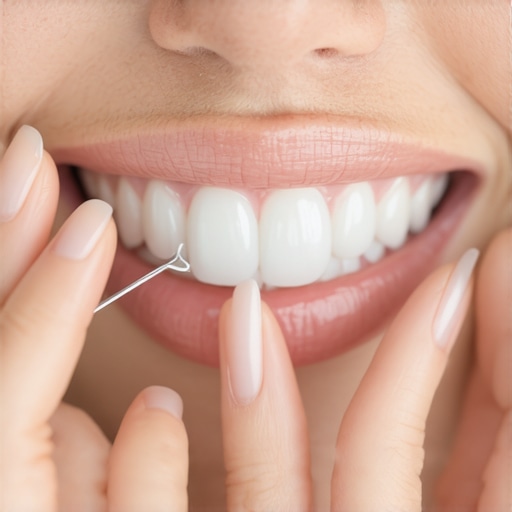
It happened just last month—I was sitting on my couch, toothbrush in hand, trying to navigate a stubborn piece of food caught in my permanent retainer. It was one of those frustrating moments where I felt like I was back in my childhood trying to untangle Christmas lights—ineffective, messy, and totally aggravating. I realized then that flossing around a permanent retainer isn’t just about cleaning; it’s about maintaining confidence in your smile and avoiding costly dental visits. If you’ve faced similar struggles, you’re not alone. Many folks with braces or retainers find the usual flossing techniques ineffective or painfully time-consuming. But here’s the good news: I’ve discovered a simple, effective method that transformed my oral hygiene routine—and it can do the same for you.
Why Flossing Around a Permanent Retainer Matters
When I first got my permanent retainer, I assumed it would be just like my regular teeth-cleaning routine. Spoiler alert: it wasn’t. Over time, I noticed more plaque buildup and occasional bad breath—clear signs I was missing spots. That was my wake-up call: neglecting those hard-to-reach areas could lead to cavities, gum disease, or costly dental procedures down the road. According to the American Dental Association, poor oral hygiene around braces and retainers can significantly increase the risk of cavities and periodontal disease. So, I made it a priority to find the easiest way to floss effectively around my retainer and keep my smile healthy.
Is Flossing with a Permanent Retainer Really That Hard?
Like many, I was skeptical at first. I worried that traditional flossing would take forever or might even damage my retainer wire. I remember a time I tried to get the floss under the wire and ended up snapping the floss or missing those tricky spots altogether. Early on, I made the mistake of thinking that regular floss was sufficient—that’s a common misconception I’d like to debunk. You see, standard floss isn’t designed to slide easily around the wire and can be frustrating or ineffective. After some trial and error (and a lot of patience), I finally found a routine that made flossing around my retainer quick, simple, and painless. And I will share every step with you—so you don’t have to go through the same learning curve.
Choose the Right Flossing Tool for Precision
Visiting my bathroom one evening, I grabbed my regular floss, but it kept snapping when I tried to slide it under my retainer wire. Frustrated, I remembered reading about floss picks with stiffened ends, perfect for navigating tight spaces.
To start, opt for floss picks or waxed floss designed for braces or retainers. These tools have firmer edges that make slipping under wires much easier, which is crucial to removing plaque without damaging your retainer. Think of it as choosing a sturdy needle over a thin thread—better control means better cleaning.
Master the Technique: Peeling, Flossing, and Reaching
Step 1: Position the Floss Correctly
Hold the floss or pick firmly, and gently slide the stiffened end under the retainer wire at a 45-degree angle. Use a gentle sawing motion—forcing it can dislodge the wire or cause discomfort. Once the floss is under the wire, gently glide it down between the tooth and the wire, reaching that tricky space behind the tooth. It’s like threading a needle—patience wins here.
Step 2: Form a C-Shape for Cleaning
Wrap the floss around the tooth in a C-shape, then move it up and down, cleaning the side of the tooth and the gumline. This technique ensures you’re removing plaque effectively. I remember once spending an extra minute on each tooth, but the fresh, clean feeling afterward made it worth the effort—that’s how you prevent plaque buildup and protect your gums.
Step 3: Clear the Floss and Repeat
Gently pull the floss out, making sure not to snap it or dislodge the wire. Move to the next tooth, repeating the process. Using a floss threader can make this faster, but in my experience, a sturdy floss pick with a stiff end was enough to navigate even the tightest spots.
Don’t Rush: Persistence Is Key
Initially, my attempts felt messy—sometimes I’d slip or miss spots, leading to bleeding gums. But with regular practice, I gained confidence and efficiency. Remember, consistency beats speed; dedicating a few minutes each night keeps your mouth healthy and your smile confident. This technique isn’t just about cleaning; it’s about fostering habits that prevent costly dental procedures down the road. For comprehensive tips on maintaining your oral health with braces or retainers, visit top oral health tips.
Many patients believe that Invisalign treatment is just a cosmetic fix, but in reality, it involves complex biomechanics that, if misunderstood, can lead to suboptimal results. Contrary to common myths, Invisalign isn’t suitable for every orthodontic case, especially severe malocclusions, which might require traditional braces or even surgical interventions. Skipping thorough evaluations can delay your treatment or cause unforeseen complications. Regarding family dentistry, a widespread misconception is that it only covers routine cleanings—actually, it encompasses a broad spectrum of preventive, restorative, and cosmetic services tailored for all ages, emphasizing early intervention to prevent future issues. One trap to avoid is neglecting the importance of anticipatory guidance by your dentist, which can drastically reduce long-term dental problems. When it comes to dental crowns, many assume they are purely restorative, but crowns also serve a protective role, especially after root canal therapy or large fillings, helping to preserve the remaining tooth structure. Choosing the wrong type of crown—like opting for a porcelain-fused-to-metal when a full ceramic would be more appropriate—can result in aesthetic and functional drawbacks. On the topic of oral health, a critical nuance is recognizing the impact of systemic conditions like diabetes on your oral tissues; poor glycemic control can accelerate periodontal disease progression despite diligent hygiene. A common mistake is underestimating how lifestyle factors—such as diet, smoking, and stress—interact with oral health, often exacerbating issues like gum recession and cavities. From an expert perspective, studies suggest that a multidisciplinary approach combining dental care with medical management yields the best outcomes for patients with complex conditions (source: American Diabetes Association).Be aware that technology has advanced beyond traditional tools; for instance, digital smile design can optimize aesthetic outcomes, but many overlook its availability or benefits. Ensuring you’re informed about newer options is crucial for making educated decisions. Have you ever fallen into this trap? Let me know in the comments. Staying proactive and questioning common beliefs can help you achieve healthier, more confident smiles, turning dental visits from anxiety-provoking errands into empowering experiences.Maintaining your oral health over time requires more than just regular visits; it demands the right tools, consistent routines, and an understanding of how technology can enhance your daily habits. Personally, I swear by using a combination of electric toothbrushes with pressure sensors, professional-grade flossing aids, and even smart oral health devices that track your brushing accuracy. For example, the Philips Sonicare DiamondClean Smart offers real-time feedback on brushing pressure and coverage, ensuring that I’m not missing spots or applying too much force, which can damage gums. Incorporating such tools has concretely improved my plaque control and overall gum health.
Another effective investment is a water flosser like the Waterpik Aquarius. I use it daily to supplement flossing, especially around crowns and implants, where traditional floss might not reach effectively. The pulsating water helps dislodge debris and reduces inflammation, making long-term maintenance easier. Additionally, I’ve integrated a teeth-whitening LED device that not only maintains brightness after professional cleaning but also motivates me to stick with my routine.
To ensure these tools deliver maximum benefit, routine calibration and proper technique are crucial. For instance, I regularly replace my brush heads to maintain optimal cleaning power, following manufacturer guidelines. I also schedule regular professional cleanings, using my home tools as a supplement rather than a replacement. This hybrid approach combines technology and expert care to ensure lasting results.
Looking ahead, trends like AI-powered assessment apps are on the rise. They can analyze your brushing patterns and provide tailored recommendations, making home care more personalized and effective. As these innovations become more accessible, I expect them to revolutionize how we maintain oral health, reducing the need for invasive procedures.
How do I keep my tools in top shape year after year? Simple—regular cleaning, timely replacements, and adhering to expert advice. For example, visiting top oral health tips helps me stay proactive and informed about new technologies and methods.
To get the most from your tools, try integrating an advanced water flosser or a smart toothbrush into your routine this month. Not only will this boost your oral hygiene, but it will also give you peace of mind knowing your efforts are optimized for long-term health.
Reflecting on my journey with oral hygiene, especially around a permanent retainer, I realized that the greatest insights come from personal experience. One lesson was that persistence and the right tools can turn a daunting task into a routine that empowers your smile. I learned that investing in high-quality floss picks and mastering a gentle, methodical technique makes all the difference. Furthermore, understanding how systemic health factors influence oral care underscored the importance of holistic wellness in maintaining that confident grin. By sharing these lessons, I hope to inspire you to approach your dental routine with patience and the right mindset, transforming challenges into opportunities for health and happiness.