
Why your teeth hurt when you are sick with the flu
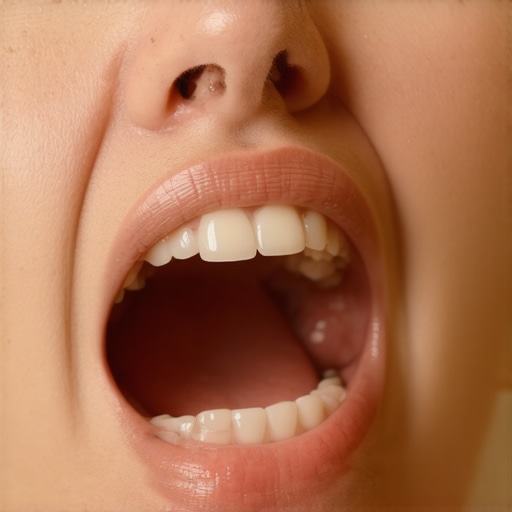
It was a typical winter day when I finally caught the flu. I was bundled up on the couch, feeling miserable, when I suddenly winced in pain—my tooth was throbbing fiercely. At first, I thought it was just a strange coincidence, but then I remembered something I’d ignored for years: why my teeth hurt every time I got sick. If you’ve experienced this odd combination of illness and dental discomfort, you’re not alone—and it can be pretty unsettling.
Feeling That Sharp Toothache During the Flu: What’s Going On?
Many people dismiss tooth pain as isolated or unrelated to their general health, but there’s actually a fascinating connection. When you have the flu or other illnesses, your body’s immune response can cause increased sensitivity in your teeth. Dehydration, common during sickness, leads to dry mouth—a major culprit behind tooth discomfort. Saliva is your mouth’s natural defense, helping to wash away bacteria and neutralize acids. When production drops, acids can erode enamel and irritate nerves, making your teeth feel painful.
Moreover, the flu often accompanies sinus congestion and pressure, which can mimic or amplify dental pain. Sinus pressure hovers right above your upper teeth, causing them to hurt when you’re sick, especially if your sinuses are inflamed. This is why, during cold or flu season, many people notice their toothache worsens alongside their sniffles.
Interestingly, some dental restorations like crowns or fillings can become more sensitive during illnesses because inflammation can shift how your teeth respond to stimuli. If you have existing dental work, the discomfort might be a sign that your immune system’s upheaval is highlighting underlying issues.
Recognizing the signs and understanding what’s happening can prevent unnecessary worry. I’ve been there—thinking I had a serious dental problem when all I needed was to hydrate and wait it out. But this experience taught me an important lesson: your oral health is closely linked to your overall wellness.
If you’re wondering whether these symptoms are common or if it signals something more serious, know that health authorities emphasize the importance of listening to your body. A study published in the Journal of Oral Rehabilitation notes that dehydration and sinus infections are often connected with dental pain during illnesses, highlighting the need to address both health aspects simultaneously. You can explore more about common myths surrounding Invisalign and learn how proper dental hygiene can help maintain your smile, even during sick days, by reading [this insightful article](https://familydentistpro.com/invisalign-myths-debunked-what-you-need-to-know-today).
Now that we’ve unraveled the basics, let’s dive into practical steps you can take to ease your discomfort and protect your oral health when illness strikes. Have you ever noticed your teeth hurting more during a cold or flu? If so, keep reading—your relief might be just a few small changes away.
Stay Hydrated to Reduce Sensitivity
During illness, dehydration thickens saliva, allowing acids to erode enamel and irritate nerves. I remember when I first noticed increased tooth sensitivity while battling a bad cold; drinking water regularly helped flush away acids and soothe discomfort. Aim to sip water consistently throughout the day, especially if you have a fever or are experiencing nasal congestion. Use a straw to minimize contact with sensitive teeth, just like using a straw helps prevent staining when enjoying red wine, as discussed [here](https://familydentistpro.com/the-secret-to-preventing-coffee-stains-on-your-new-veneers). Hydration supports saliva production, your mouth’s natural defense against acid attacks.
Maintain Good Oral Hygiene Even When Sick
Brushing twice daily and flossing gently removes bacteria that can worsen sensitivity and cause future issues. I once ignored my usual flossing routine during a flu week, but I noticed that debris accumulating led to increased discomfort. Use a soft-bristled toothbrush to avoid aggravating gums and enamel. Consider rinsing with a fluoride mouthwash after brushing to reinforce enamel. This routine becomes even more crucial when your immune system is compromised, as it reinforces your oral defenses.
Manage Sinus Pressure to Minimize Dental Pain
Sinus congestion can mimic or intensify dental pain, especially in the upper teeth. To relieve sinus pressure, inhale steam or use saline nasal sprays. I found that applying a warm compress over my sinuses helped reduce pressure, lessening the pain in my upper molars. If sinus-related pain persists, consulting your healthcare provider for decongestants can help, just as addressing underlying issues in family dentistry improves overall oral health, detailed [here](https://familydentistpro.com/why-crowns-are-a-game-changer-in-restorative-dentistry).
Use Gentle Techniques for Sensitive Teeth
Applying a desensitizing toothpaste can help block nerve signals and reduce discomfort. I tested several brands before settling on one that worked well for my sensitive teeth, especially during illness. Regularly replacing your toothbrush and avoiding abrasive strokes prevent further enamel erosion. Integrate this into your routine, much like transitioning from traditional braces to [Invisalign](https://familydentistpro.com/invisalign-vs-braces-which-solution-fits-your-lifestyle), which offers a gentler alignment process. Remember, persistent sensitivity warrants professional advice.
Address Existing Dental Restorations Carefully
If you have crowns or fillings, illness-related inflammation can make them feel more sensitive. I noticed that my crown felt odd during a cold, prompting a visit to my dentist. Regular check-ups ensure that restorations remain sealed and functional, preventing bacteria from slipping underneath. Learn more about how [crowns can improve your oral health](https://familydentistpro.com/transform-your-smile-how-crowns-boost-oral-health-confidence-at-815-am). Maintaining these restorations during illness preserves their integrity and your comfort.
Avoid Self-Diagnoses and When to See a Dentist
While these steps aid in managing discomfort, persistent or severe pain might indicate an underlying issue needing professional evaluation. I once tried home remedies for a throbbing tooth, but the pain worsened, leading me to seek urgent dental care. If discomfort persists beyond a few days, consult your dentist to rule out cavities, infections, or other conditions. Early intervention is crucial in preserving your smile and health.
While many believe that opting for Invisalign guarantees a perfect smile effortlessly, the reality is more nuanced. A common myth is that Invisalign is suitable for all orthodontic issues; however, complex malocclusions often require traditional braces or surgical intervention, as explained in [this detailed guide](https://familydentistpro.com/invisalign-myths-debunked-what-you-need-to-know-today). Moreover, some assume that crowns are solely cosmetic, but they play a vital role in protecting compromised teeth and restoring functionality. Yet, selecting the wrong type or material without professional advice can lead to issues like darkening gums or veneer failure, underscoring the importance of expert consultation, detailed [here](https://familydentistpro.com/transform-your-smile-how-crowns-boost-oral-health-confidence-at-815-am).
Keeping Your Dental Investments in Top Shape
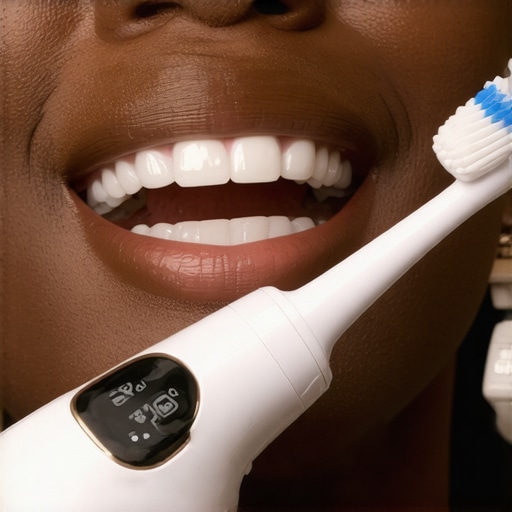
Maintaining your orthodontic appliances, crowns, or general oral health requires the right tools and routines. Over the years, I’ve refined my toolkit to ensure longevity and optimal results. One essential device I swear by is an electric toothbrush with a timer and pressure sensor. Brands like Sonicare or Oral-B, specifically models like the Sonicare DiamondClean or Oral-B Genius, provide gentle yet effective cleaning, reducing the risk of enamel wear or damage to restorations. These brushes help me maintain a consistent cleaning routine, especially around crowns and Invisalign attachments, where precision is critical.
Another underrated tool is interdental cleaning aids. I prefer silicone-tipped interdental brushes for their gentle but thorough plaque removal. Unlike traditional floss, they adapt better around dental work and are less abrasive, which is crucial for long-term crown health. As someone who values minimally invasive care, I find them excellent for daily maintenance without risking gum irritation.
For Invisalign wearers, proper tray cleaning makes a significant difference. I recommend soaking trays overnight in a specialized Invisalign cleaning crystal or a gentle denture cleaner. This keeps trays odor-free and prevents bacteria build-up, which could compromise oral health. Regularly replacing your trays as directed also ensures your investment remains effective and comfortable.
To monitor your oral health visually, I use a high-magnification LED dental mirror with a built-in light. It’s a game changer for detecting early signs of gum recession or decay around crowns and fillings. Being proactive can save you from more invasive procedures later.
Looking ahead, digital health monitoring tools, like app-connected toothbrushes and smart flossers, will likely become standard. They give real-time feedback and encourage better habits, making routine care more engaging and effective. For example, the Oral-B iO Series offers real-time coaching, which I find invaluable.
How do I maintain long-term results with my dental work?
The key is consistency paired with smart tools. Regular check-ups are crucial, but daily habits are what really preserve your smile. Incorporate advanced tools into your routine, and you’ll achieve results that last longer and look better. I challenge you to try a high-tech toothbrush with pressure sensors—experience the difference it makes firsthand. Remember, proper maintenance today ensures a healthier, more confident smile tomorrow, as supported by the American Dental Association’s guidelines on daily oral care routines. Keep your dental investments in prime condition by staying informed about the latest innovations and integrating them into your routine.
Lessons Hidden Beyond the Surface of Family Dentistry
One of the toughest realizations I’ve had is that even the most advanced orthodontic and restorative solutions require diligent care and patience. The biggest lesson I learned about Invisalign, crowns, and family dentistry is that quick fixes rarely deliver lasting results. Instead, investing time in consistent routines and understanding the nuances of each treatment made all the difference. For example, I used to think that once my Invisalign trays were in, I could forget about them, but regular cleaning and proper wear are what truly sustain the transformation. Similarly, a crown isn’t just a cosmetic enhancement; it’s a shield for your tooth’s health, which needs care and attention to last decades. These experiences, backed by research from trusted sources like the American Dental Association, reinforce that proactive habits and professional guidance are key to maintaining your smile’s integrity.
Tools and Resources That Elevate Your Oral Care Game
Over the years, I’ve curated a toolkit that’s helped me preserve my dental investments effectively. My top recommendation is a high-quality electric toothbrush, like the Sonicare DiamondClean, which offers gentle yet thorough cleaning—crucial for crowns and orthodontic attachments. interdental brushes, especially silicone-tipped ones, provide a comforting and effective way to clean around brackets and bridges without damaging delicate areas. For maintaining Invisalign trays, I trust soaking solutions like Invisalign cleaning crystals, which keep trays odor-free and bacteria-free. Lastly, a reliable dental mirror with LED lighting has saved me from missing early signs of wear or sensitivity, enabling timely intervention. These tools, coupled with regular dental visits, keep my smile healthy and confident, and I believe everyone can benefit from adopting similar routines.
Embracing Your Journey Toward a Healthier Smile
The most inspiring part of this journey is realizing that the effort we invest today shapes our smiles for a lifetime. Whether you’re considering Invisalign, crowns, or family dental care, remember that your active participation is what makes the difference. Each step—like practicing good hygiene, staying hydrated, and seeking professional advice—is a building block toward durable results. I encourage you to stay proactive, educate yourself about the latest advancements, and listen to your dental team’s guidance. Your future self will thank you for the commitment you make today, and the confidence a healthy smile brings can transform your entire outlook on life. Don’t hesitate to start implementing these habits—your brighter, healthier smile is within reach.