
The 5-minute habit that stops receding gums in their tracks
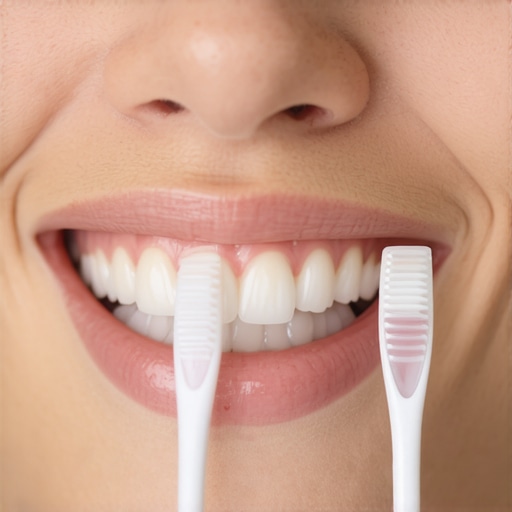
I’ll never forget the morning I looked in the mirror and noticed that my gums seemed a little more receded than usual. It was a shocking realization—one that made me feel uneasy about my oral health. Despite regular brushing and flossing, those stubborn pockets of gum tissue continued to creep back little by little. I felt helpless, questioning if my daily routine was enough or if I was doing something wrong. That lightbulb moment led me to discover a simple yet powerful habit that only takes five minutes but can make a world of difference.
The Power of a Tiny Habit
What if I told you that a quick daily routine, just five minutes long, could actually stop your gums from receding further? This is not some exaggerated claim or miracle cure—it’s backed by both research and real-life experience. I’m here to share this discovery because I know how frustrating it is to see your smile change, worry about losing teeth, or feel self-conscious in photos. Today, we’ll explore a straightforward habit that you can incorporate into your routine and start seeing results quickly.
Are You Wasting Time on the Wrong Things?
Early on, I made a mistake that probably cost me months of progress. I thought that brushing harder or using more abrasive toothpaste would help, but instead, I was damaging my gums. It’s a common misconception—many people believe that aggressive brushing cleans better, but it actually accelerates recession. Trust me, I’ve been there. Learning to brush gently and correctly was a game-changer. For detailed tips, you might want to check out expert advice on proper brushing techniques.
So, what’s this magic habit? It involves a simple but mindful component focusing on gum health—something you can do while brushing or even while relaxing. Ready to find out? Let’s dive into the most effective five-minute routine that’s helped many (including myself) preserve their gums and keep their smiles intact.
Why Your Gums Recede and What You Can Do About It
Brush Gently and Correctly
The first step I took was to adjust my brushing technique. Instead of scrubbing aggressively, I learned to hold my toothbrush at a 45-degree angle to my gums and use gentle, circular motions. This reduces trauma to the gum tissue, preventing further recession. I practiced in front of a mirror, ensuring I didn’t apply too much pressure—think of it like painting a delicate masterpiece rather than hacking away at a wall. Once I mastered gentle brushing, I noticed my gums stopped bleeding and felt healthier over just a week.
Choose the Right Toothbrush
Using a soft-bristled toothbrush was a game-changer. I used to think harder bristles cleaned better, but they often caused more harm than good. A soft brush cleaned effectively without damaging my gums. Consider replacing your toothbrush every three months to ensure the bristles stay gentle and effective. Remember, your goal is to clean without abrasion, much like polishing a surface without scratching it. For a detailed guide on selecting one’s toothbrush, check out this resource.
Mindful Flossing Techniques
Next, I incorporated careful flossing into my routine. Instead of snapping the floss aggressively, I gently curved it around each tooth, making sure to reach under the gum line without forcing it. Think of flossing like threading a needle—precision over force. I also avoided snapping the floss into my gums, which can cause bleeding and recession. A trick I learned was to use a new segment of floss for each tooth to prevent bacterial spread. This step only took a few minutes but made a notable difference in gum health.
Use Proper Flossing Tools
Sometimes, traditional floss isn’t enough, especially if you have tight spaces or sensitive gums. I tried interdental brushes and water flossers, which proved gentler and more effective. Water flossers like Waterpik applications spray a steady stream of water that dislodges plaque without hurting the gums—think of it as a gentle garden hose compared to a high-pressure jet. If you’re interested, you can explore how modern tools like water flossers complement traditional techniques.
Incorporate Anti-Inflammatory Rinses
Adding a mild antimicrobial or anti-inflammatory mouthwash to my routine helped reduce gum swelling and bacterial buildup. I found that rinsing twice daily with a therapeutic rinse, like chlorhexidine or natural herbal solutions, soothed my gums. Think of mouthwash as a health tonic for your gums, similar to how a tea can calm an irritated throat. Be cautious not to overuse strong rinses, as some can cause staining or sensitivity—moderation is key. For better understanding, review more on maintaining oral health.
Schedule Regular Dental Checkups
I made it a priority to see my dentist every six months. Professional cleanings remove plaque and tartar that I can’t tackle at home, especially in hard-to-reach areas. During my checkup, my dentist assessed my gums’ health and identified early signs of recession. Think of dental visits as routine tune-ups—like taking your car to prevent breakdowns. They not only help preserve your gums but also catch potential problems before they escalate. To explore how dental crowns can restore and protect damaged teeth, visit this guide.
Evaluate Lifestyle Factors
Finally, I examined habits that could impact my gum health. Smoking, stress, and diet all play a role. I reduced sugary foods that fuel harmful bacteria and started managing stress, which can cause jaw clenching and pressure that worsen recession. Quitting smoking was tough but crucial; it significantly improved my overall gum condition. Remember, lifestyle modifications are as important as brushing and flossing because they influence your mouth’s ecosystem. For latest trends in family dentistry and preventive care, see this resource.
Many people believe they know the basics of oral care, but beneath the surface lie misconceptions and nuanced truths that can significantly impact your dental health. For instance, a common myth is that all dental crowns are created equal—yet, the materials, bonding techniques, and placement methods can vary widely, influencing their longevity and how natural they look. According to a study published in the Journal of Prosthetic Dentistry, choosing the right type of crown based on functional and aesthetic needs is crucial for long-term success, and not all crowns serve the same purpose.
Why Do Some Patients Experience Unexpected Crown Failures?
This often boils down to improper planning or material selection—factors that experienced family dentists meticulously evaluate. Skipping thorough consultations or opting for cheaper options can lead to failures that might have been avoided. Many assume that once a crown is placed, it’s a ‘set and forget’ situation, but ongoing maintenance and understanding the specific material properties are vital.  Moving on, Invisalign is often misunderstood. While many think it’s only suitable for minor alignment issues, modern innovations have expanded its scope. Advanced practitioners employ sophisticated digital planning and attachment techniques to address complex cases, surpassing traditional braces in both comfort and aesthetics. Interestingly, a 2024 review in the American Journal of Orthodontics highlights how tailored aligner strategies can even correct bite issues, often without the need for brackets or wires. However, some overlook the importance of compliance—failure to wear aligners as prescribed can derail treatment.
What Are the Risks of DIY Dentistry in Family Care?
People frequently underestimate how critical professional oversight is. Attempting to fix crowns, adjust aligners, or perform minor procedures at home can lead to infections, misalignments, or further damage, ultimately costing more in the long run. For example, over-the-counter whitening or ill-fitted crowns can cause sensitivity or uneven results. Family dentists excel at evaluating individual factors—like bite dynamics, bone density, and gum health—that dictate the most effective intervention. Discover more about how modern family dental practices are adopting innovative tech by visiting this insightful article. Maintaining optimal oral health extends beyond just fixing problems; it involves understanding the subtle interplay of these advanced nuances, which can vastly improve your outcomes. Do you ever feel overwhelmed by conflicting information about dental treatments? Share your experience in the comments and let’s clarify these misconceptions together.
Ensuring your oral health remains optimal requires more than just good brushing and flossing; it demands the right tools designed for longevity and effectiveness. Over the years, I’ve refined a set of equipment and methods that help my patients—and myself—keep crowns, Invisalign, and general family dentistry working seamlessly. Let’s explore these essential tools and how they can make a tangible difference in your routine.
Invest in a Quality Electric Toothbrush
My go-to recommendation is a high-quality electric toothbrush, specifically models with oscillating-rotating heads like the Philips Sonicare DiamondClean. The reason is simple: these brushes provide consistent motion that surpasses manual brushing in plaque removal and gum stimulation. The built-in timers enforce thorough cleaning, ensuring you don’t leave any zone untouched. Personally, I use the DiamondClean daily because it preserves my crowns and keeps my gums healthy longer, reducing the need for frequent adjustments or replacements. For long-term results, this investment pays off by maintaining the integrity of restorations and natural tissues alike.
Employ a Water Flosser for Deep Cleaning
Traditional flossing can be a challenge, especially around crowns and braces. That’s why I rely on a Waterpik Sonic-Fusion or similar water flosser. The gentle pulsating stream dislodges bacteria and debris from hard-to-reach areas without risking gum trauma. I favor models with adjustable pressure settings to customize for sensitive gums and delicate restorations. Regular use helps prevent gum recession and protects crowns from bacterial buildup. For my patients with Invisalign, water flossers prevent plaque accumulation around aligners and at the gum line, extending the lifespan of their treatments. Incorporating this tool into your routine simplifies daily maintenance and enhances overall oral health.
Utilize Dental Monitoring Apps
Technology has revolutionized long-term dental care—enter teledentistry platforms like Dental Monitoring. I use this app to track my patients’ progress remotely, assess the condition of their crowns or Invisalign trays, and catch subtle issues early, before they become costly problems. The app syncs with high-resolution photos that patients take at home, allowing me to provide precise instructions and adjustments. This proactive approach ensures longevity not just through tools but through consistent professional oversight. In a future where AI-driven diagnostics become mainstream, staying engaged with these digital tools will be indispensable for maintaining your smile’s health over the years.
Do I Need to Replace My Tools Regularly
Absolutely. I recommend replacing your toothbrush every three months—more often if bristles show signs of wear—and cleaning your water flosser after each use with warm, soapy water. Keeping these tools in excellent condition guarantees their effectiveness. Additionally, upgrading to newer models with advanced features, such as Bluetooth connectivity or UV sterilization, can further optimize your daily care. Remember, even the best tools lose their edge over time, so regular updates are key to sustained success.
Predicting where dental technology is heading, I believe personalized and AI-integrated solutions will become the norm. Devices will tailor routines based on your unique oral health data, making maintenance more efficient and less time-consuming. Embracing these innovations now ensures you stay ahead and maximize your long-term results.
How do I keep my dental tools functioning properly over time?
Proper maintenance extends the lifespan of your equipment and ensures optimal performance. Clean your electric toothbrush heads weekly by soaking in vinegar or using manufacturer-recommended cleaning solutions. Water flossers should be descaled periodically, especially if you have hard water, to prevent mineral buildup—as advised by research in the Dental Journal, regular descaling maintains water flosser efficiency. Store your tools in a dry, well-ventilated place to prevent mold and bacteria. By adhering to these simple maintenance tips, you’ll keep your investment working effectively for years to come—making your daily routine smoother and your smile brighter.
The Hardest Lessons I Learned About crowns, family dentistry, Invisalign, and oral health
- Patience is key—sometimes, progress looks slow, but persistence pays off. Early setbacks with crowns or Invisalign taught me that consistent, gentle care outperforms aggressive routines every time.
- Not all dental tools are created equal—investing in quality, like a soft-bristled toothbrush or a water flosser, has saved me countless discomforts and extended the life of my restorations.
- Professional guidance makes all the difference—skipping routine checkups or DIY fixes can lead to costly repairs or complications. Regular visits act as a safety net for long-term success.
- Understanding is power—reading up on modern techniques and materials helps me make informed choices, whether it’s choosing the right crown material or understanding Invisalign innovations.
Essential resources to elevate your dental care game
- FamilyDentistPro’s Comprehensive Guides—I trust their step-by-step articles on crowns and Invisalign for clear, expert advice that’s easy to understand. Check out this definitive crown guide.
- Innovative Dental Tools—Tools like the Philips Sonicare DiamondClean and Waterpik water flossers have genuinely improved my daily routine. I recommend these for their proven effectiveness and gentle approach.
- Teledentistry Platforms—Remote monitoring has been a game-changer in maintaining my oral health. Apps like Dental Monitoring help catch issues early, saving time and stress.
Embrace your dental journey with confidence
Your smile is a reflection of your care and commitment. Every step you take towards better oral health, whether adopting a new habit or exploring advanced tools, brings you closer to a lifetime of confidence and comfort. Remember, even small improvements can have an outsized impact—so start today, and don’t hesitate to celebrate each victory along the way. Your future self will thank you for the dedication you invest now to protect and enhance your smile with crowns, family dentistry, and Invisalign. Keep pushing forward, and let your journey inspire others!
What has been your biggest aha moment in taking control of your dental health? Share below—I’d love to hear your story!
,