
How to stop a sharp edge on a broken tooth from cutting your lip
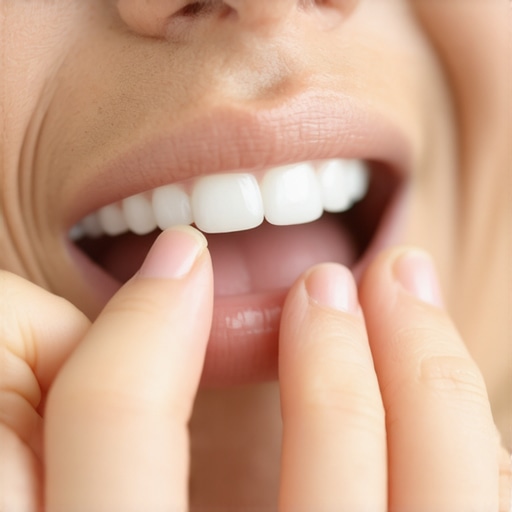
It was late at night, and I was sprawled on the couch—my mouth numb from the ice pack, trying to ignore the nagging pain from my broken tooth. Suddenly, I felt a sharp sting on my lip. That tiny, jagged edge of my broken tooth had sliced through my lip like a tiny razor. In that moment, I realized how a seemingly small dental mishap can turn into a frustrating ordeal. I remember thinking, Why didn’t I do something earlier?
Why a Sharp Tooth Edge Can Turn Your Day Upside Down
If you’ve ever dealt with a broken tooth, you know the panic that kicks in when you feel that unexpected jab of pain or notice a jagged edge in your mouth. It’s more than just a cosmetic issue; that sharp fragment can cut your lip, tongue, or cheek and make eating or talking uncomfortable. The worst part? This problem doesn’t disappear on its own. It can lead to infections, mouth sores, or even further tooth damage if left unaddressed.
From personal experience—and countless consultations with my trusted family dentist—I’ve learned that tackling that sharp edge promptly is crucial. The key is knowing how to temporarily smooth or cover it to prevent more injury until you can see a professional. According to recent studies, addressing dental injuries early significantly reduces the risk of complications, saving you time, pain, and money in the long run. (Source: American Dental Association)
Now, I want to guide you through the practical steps I’ve picked up—things that helped me when I was in a pinch. So, if you’ve ever faced this frustrating dilemma, stay tuned. We’re about to turn that jagged problem into a manageable fix, even if you’re not a dental expert. Ready to make your smile safer and more comfortable? Let’s dive into the best tricks to handle that sharp tooth edge today.
Smooth Out the Sharp Edge Quickly
When faced with a jagged tooth, my first move was to clean the area with warm water and a soft cloth to remove debris, preventing infection. Then, I gently used a clean nail file or emery board to carefully smooth the sharp fragment—think of it as sanding down a rough corner on furniture; it dampens the danger without damaging the tooth further. During my attempt, I made sure not to apply excessive pressure to avoid causing more damage. This quick fix can make a notable difference until professional help is available.
Create a Temporary Cover to Protect Your Lip and Tongue
Next, I used orthodontic wax or a small piece of gauze to cover the jagged edge and shield the soft tissues from cuts. Similar to placing a bumper on a sharp corner of furniture to prevent injuries, this acts as a temporary buffer. You can also opt for sugar-free chewing gum, which is sticky enough to adhere over the sharp edge, providing an immediate, makeshift barrier. Remember, these are short-term solutions, so do not delay seeking professional care.
Home Remedies to Reduce Discomfort and Swelling
If pain or swelling occurs, rinsing with warm salt water can reduce inflammation and disinfect the area—imagine salinity as nature’s antiseptic. Mix half a teaspoon of salt in eight ounces of warm water and swish gently for 30 seconds. Applying ice packs wrapped in a cloth to the cheek area near the injury can decrease swelling and numb the pain, similar to how a cold compress helps soothe bruises. Keep these treatments in place for 15-minute intervals for optimal relief.
Plan Your Visit to the Dentist
Once you’ve managed the immediate discomfort, schedule an appointment with your family dentist promptly. For example, I called their office right after stabilizing my tooth to ensure I didn’t wait too long. If your tooth is severely cracked, or if there’s significant bleeding, seek urgent care—don’t risk infection or further damage. During the appointment, professionals can professionally smooth the edges, or better yet, utilize restorative options like crowns or veneers to restore function and appearance.
Prevent Further Injury with a Protective Mouthguard
To avoid re-injury, consider using a custom-fitted mouthguard—think of it as a helmet for your teeth—especially if you continue with activities that risk impact. Custom guards fit better and offer superior protection compared to over-the-counter options. My dentist can help you get one, and in the meantime, a boil-and-bite guard from a sporting goods store can serve as a temporary shield. Properly protecting your teeth not only prevents accidents but also preserves the longevity of your dental repairs.
Why Simplistic Myths Sabotage Your Dental Care
Many patients believe that crowns are merely cosmetic solutions or that Invisalign is just about straightening teeth invisibly. But beneath these surface-level perceptions lie nuanced truths that can significantly impact your results. For instance, a common misconception is that all crowns are created equally; in reality, ceramic crowns offer superior aesthetics but may lack durability compared to metal or porcelain-fused-to-metal options. Recognizing these subtleties ensures you choose the right treatment for your unique needs, which a comprehensive consultation with your family dentist can clarify. According to recent research published in the Journal of Prosthetic Dentistry, selecting the appropriate crown material based on functional demands prolongs the restoration’s lifespan and sustains oral health.
Beware the Common Pitfall of Overlooking Oral Systemic Links
Many overlook how oral health intricately connects with overall wellness. Maintaining healthy gums isn’t just about fresh breath—it’s linked to heart health, diabetes management, and even respiratory conditions. A frequent mistake is dismissing gum bleeding as trivial; instead, addressing it early, with advice from your family dentist, can prevent systemic complications. Keeping up with regular cleanings and understanding the subtle signs of periodontal trouble is crucial. The American Heart Association emphasizes that periodontal disease increases the risk of cardiovascular issues, demonstrating how oral health choices ripple across your body’s health landscape.
Advanced Tip: The Role of Material Selection in Restorative Success
When considering crowns or veneers, the superficial focus on appearance can overshadow the importance of material science. Selecting the correct material isn’t just about aesthetics—it influences the durability, biocompatibility, and integration with your existing teeth. For example, zirconia crowns provide exceptional strength, making them ideal for molars, while lithium disilicate offers translucency for front teeth, balancing beauty and resilience. Mastering these nuances can elevate your smile’s longevity and function. For detailed insights, explore how crowns can be optimized for your unique case at this guide.
Have you ever fallen into this trap? Let me know in the comments—your experience might help someone else navigate these dental nuances more confidently.
How Do I Keep My Dental Restorations in Top Shape Over Time?
Maintaining your dental work, like crowns or Invisalign, requires more than just regular brushing. The tools you choose can make a huge difference in ensuring durability and oral health. For instance, I personally swear by an ultrasonic water flosser, such as the Waterpik, because it effectively removes plaque and debris from around crowns and between braces without damaging delicate restorations. Its pulsating water jets reach areas that traditional flossing often misses, preventing issues like decay or gum disease that can compromise your investment in dental health.
Another essential tool is a soft-bristled, ergonomic toothbrush designed specifically for sensitive or repaired areas. I prefer ones with a small head, like the Oral-B Super Soft, because it allows precise maneuvering around crowns, veneers, or aligners. Using a gentle, circular motion helps preserve enamel while cleansing thoroughly. Regularly replacing your toothbrush, ideally every three months, ensures optimal cleaning efficiency and prevents bacteria buildup.
Beyond individual tools, I rely heavily on dental-specific cleaning aides like interdental brushes. These tiny, flexible brushes can access tight spaces and below the gumline, areas where plaque tends to accumulate unnoticed. Personally, I keep a set of narrow-sized interdental brushes in my bathroom drawer; they’re invaluable in maintaining the integrity of restorations and preventing future dental issues.
Planning for Longevity with Smart Software and Professional Guidance
Investing in digital tools, such as dental monitoring apps, has transformed my routine. These apps allow me to upload photos of my teeth periodically, enabling my dentist to track changes over time remotely. This proactive approach can detect early signs of wear or complications, preventing costly repairs or replacements. According to the Family Dentist, integrating technology into your oral health plan ensures your restorations last longer and function better.
Of course, scheduling regular dental checkups—at least twice a year—is irreplaceable. During these visits, your dentist can professionally examine your restorations, clean hard-to-reach areas, and perform maintenance procedures like polishing or re-cementing crowns. They can also spot early issues, which, according to a study published in the Journal of Prosthetic Dentistry, significantly extends the lifespan of restorative work.
Trend Prediction: Embracing Advanced Materials and Digital Tools
Looking ahead, the fusion of materials science and digital analysis will revolutionize long-term dental care. Expect to see increased adoption of biocompatible, self-healing materials for crowns and fillings, reducing the need for replacements. AI-driven imaging and predictive analytics will help tailor maintenance plans uniquely suited to each individual, making dental care more preventative than reactive.
If you’re serious about keeping your dental restorations in prime condition, I encourage you to try integrating a water flosser into your daily routine and utilize dental monitoring apps for ongoing assessment. Small investments in the right tools can save you significant time, money, and discomfort, securing the longevity of your smile for years to come.
Lessons Hidden in My Most Unexpected Dental Blunders
- Ignoring the Sharp Edge Can Cost More Than Just Discomfort: I learned the hard way that delaying treatment turns a minor issue into a major one—sometimes requiring extensive restorative procedures rather than simple fixes.
- Quick Fixes Are Temporary, Not Permanent: Smoothing a jagged tooth edge bought me precious time, but ultimately, professional intervention was the only solution that guaranteed safety and durability.
- Never Underestimate the Power of Prevention: Consistently wearing protective gear during sports and maintaining regular dental visits proved to be the best strategies to protect my smile from common accidents.
My Arsenal for Keeping Smiles Safe and Strong
- Crowns and restorative options: Trusted for their durability and natural appearance, they’re a game-changer for long-term dental health.
- Invisalign: Not just about aesthetics; it’s about correcting bite issues that, if left unchecked, can lead to uneven wear or damage.
- Daily tools and habits: From soft bristled toothbrushes to water flossers, my routine now prioritizes gentle yet effective cleaning.
Make Every Smile Count—Your Turn
We’re all prone to little accidents, but the key lies in how quickly and wisely we respond. Taking proactive steps and trusting your dentist can preserve your smile’s beauty and health for years to come. Remember, caring for your teeth isn’t just about aesthetics; it’s about safeguarding your overall wellbeing. So, what’s your biggest lesson from past dental slips, and how has it shaped your approach to oral health? Share below and let’s learn from each other’s experiences.