
The reason your smile looks different in selfies than in the mirror
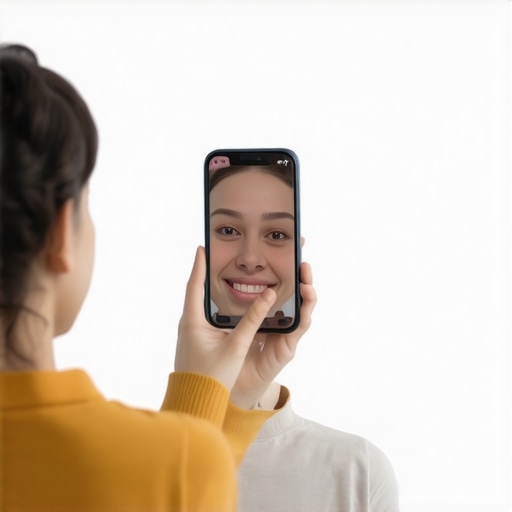
Have you ever taken a selfie and looked at it only to think, “That doesn’t look like the smile I see in the mirror”? I can’t tell you how many times I’ve been there—standing in front of my phone, snapping pictures, and then squinting at the screen, wondering if my reflection is hiding some secret I didn’t realize. That dissonance between the mirror image and what appears in photos can be surprisingly unsettling, and honestly, a little frustrating.
Why Our Smiles Can Look So Different in Selfies Versus the Mirror
It turns out, there’s more behind this than just bad camera angles or bad lighting. The way your brain perceives your reflection is different from how your camera captures your smile. When you look in the mirror, you’re seeing a live, symmetrized image that you’re used to. But a selfie is a flipped image, capturing details and nuances that your mirror flips away from you. Plus, factors like lighting, camera quality, and even your facial expression all influence the final image.
In my own experience, I initially thought I was just being overly critical of myself. But then I discovered that certain dental factors, like the shape of crowns or the alignment of teeth, can also affect how your smile translates in photos. Confusing, right? This realization led me to explore ways to make my selfies more consistent with my true smile. And while some of it is about **perfecting lighting and angles**, others involve more personal changes or dental work.
So, if you’re tired of feeling self-conscious about your selfies and wondering why your reflection seems more appealing than your picture, you’re not alone. There are practical steps you can take to bridge this gap, and I promise—they’re easier than you might think. Before diving into solutions, let’s look at the common concerns people have—like, is it worth investing in cosmetic dental work or orthodontics? The answer might surprise you.
Is Improving Your Smile Actually Worth the Hype?
Initially, I was skeptical about all the fuss around cosmetic procedures or orthodontics—thinking they were just vanity projects. But I made a mistake early on: assuming that a perfect smile was only about aesthetics. Instead, I learned that enhancing your smile can significantly boost confidence, oral health, and even overall happiness. For example, crowns aren’t just about appearance; they also protect damaged teeth and restore function, making everyday tasks easier and pain-free. Want to see how transforming your smile can impact your life? Check out this article on the benefits of crowns.
In the next sections, I’ll share some simple, evidence-based tips to help align your self-image with your reflected smile and photos. Ready to start feeling more confident in every shot? Let’s go!
,
Sharpen Your Dental Inspection and Identify Targets
Start by thoroughly examining your teeth and smile. Use a mirror to note areas where your smile feels asymmetrical or where dental imperfections might be affecting your photo appearance. Take a series of selfies from different angles to observe patterns and pinpoint specific features—like crooked teeth, chips, or discoloration—that you want to improve. For instance, I noticed my upper right canine was slightly misaligned in photos, which made my smile less harmonious. Document these observations to discuss targeted solutions with your dentist.
Optimize Lighting and Angles During Selfies
Proper lighting can dramatically enhance your smile’s appearance. Aim for natural light or diffuse artificial lighting that minimizes shadows. Position your light source slightly above and in front of you to illuminate your face evenly. As for angles, tilt your chin slightly downward and hold the camera at eye level or just above—this angle generally flatters most smiles. I experimented with a few shots and found that slightly turning my face to the left accentuated my cheekbones and softened imperfections, resulting in more appealing photos.
Consider Cosmetic Enhancements Like Crowns
If your self-assessment reveals significant dental issues, dental crowns can be a game-changer. Think of crowns as custom-fit helmets for your teeth—they strengthen damaged teeth and improve their appearance. I opted for a consultation and learned that crowns can restore not just function but also symmetry, making my smile more camera-friendly. They are especially effective when dealing with chipped or discolored teeth, providing a natural look and confident smile. Want to know if crowns are suitable for your needs? Check out this detailed guide.
Harness Invisalign for Alignment and Confidence
Invisalign offers a discreet way to straighten teeth without metal braces. Think of it as a clear, custom-made mouthguard that gently shifts teeth over time. My experience with Invisalign involved discreetly wearing aligners for several months, which improved my dental symmetry. The key is consistent use—24 hours a day—plus regular check-ins with your dentist. Visit this page to explore how Invisalign is revolutionizing family dentistry and how it can help you achieve a natural, photogenic smile.
Maintain Oral Health for Long-Lasting Results
Your smile’s success also depends on impeccable oral health. Regular brushing, flossing, and professional cleanings prevent issues like plaque buildup and staining. Think of it as preparing a canvas before painting—clean teeth provide a better foundation for any cosmetic work. Schedule routine visits with your family dentist; they use modern tech to keep your oral health in check. For expert tips, see this resource.
Practice Self-Confidence and Be Patient with Progress
Finally, embracing your unique smile and being patient with these improvements are vital. Changes like crowns and Invisalign take time, but the results are worth the wait. Remember, every small step—whether improved lighting, better angles, or dental enhancements—adds up to a more camera-ready you. Over time, these strategies become second nature, transforming how you perceive your smile in photos and in real life.Many assume that dental crowns are merely cosmetic fixes, but in reality, their role is far more nuanced. A common misconception is that crowns are only for aesthetic enhancement; however, they often serve as vital restorative tools that protect compromised teeth and improve overall oral health, as detailed in this comprehensive guide on crowns. Additionally, many believe that maintaining oral health is solely about brushing regularly, but overlooked factors like saliva composition, immune response, and genetic predispositions significantly influence oral resilience. Modern family dentistry techniques leverage advanced diagnostic tools—like digital X-rays and intraoral cameras—to catch issues early, yet some still rely solely on traditional methods, risking missed early signs of decay or gum disease. When it comes to Invisalign, the dominant myth is that it’s only suitable for minor misalignments. In my experience, and supported by recent studies on Invisalign, the treatment can effectively address complex malocclusions when combined with proper planning. A hidden nuance many overlook is that Invisalign’s success relies heavily on patient compliance; wearing aligners consistently is crucial, a detail often underestimated. Confusingly, some think that all dental issues are best handled with invasive procedures. But in many cases, preventive measures like sealants, fluoride treatments, and patient education can stave off future problems, emphasizing that proactive care often outperforms reactive solutions. Most don’t realize that family dentistry isn’t just about treating teeth—it’s about creating a holistic health approach that incorporates nutrition, habits, and regular check-ups to sustain long-term oral health. This broader perspective ensures that dental interventions address underlying causes rather than just symptoms. Have you ever fallen into this trap? Let me know in the comments—understanding these nuances can be a game-changer in your dental journey.
Keep Your Dental Work Performing Its Best
Maintaining the longevity of your crowns, Invisalign aligners, or overall oral health requires more than just regular brushing. I rely heavily on specific tools and routines to ensure everything stays in top shape over time. One essential device I personally recommend is a water flosser. It effectively removes debris deep between teeth and around crowns, reducing plaque buildup and preventing staining. I use the Philips Sonicare AirFloss, which offers gentle yet thorough cleaning, especially after meals when food particles are most likely to cling unnoticed.
In addition, I swear by a digital oral scanner for quick assessments. My dentist uses a CEREC system, which allows us to get precise 3D images of my teeth, helping monitor the condition of crowns and restorations without the complications of traditional impressions. This technology also streamlines any updates or repairs needed, avoiding future issues and ensuring longstanding results. For those considering permanent restorations, regular digital scans can catch early signs of wear or microfractures—often before symptoms appear—saving money and preserving oral health in the long run.
On the software front, I track my oral hygiene routine using a specialized app connected to my dental devices, which reminds me of appointments, lets me log flossing sessions, and even provides educational content. Staying organized ensures consistency, which is vital when maintaining complex dental work like crowns or Invisalign. The trend is moving toward fully integrated health tech, and I believe in leveraging these innovations to stay ahead of potential problems.
How do I maintain my dental tools and ensure lasting results?
Cleaning your devices is just as important as using them. For example, I regularly sterilize my water flosser tips and keep my Invisalign trays spotless with gentle brushings and specialized cleaning crystals. For my crowns, I ensure to avoid harsh abrasives that could damage the porcelain surface. Scheduling periodic checkups where your dentist can inspect and recalibrate your tools is crucial—think of it as a tune-up for your oral health systems. For a comprehensive approach to protecting your investments, check out this guide on crowns.
Looking ahead, I predict that advancements in smart dental devices—like AI-powered toothbrushes and real-time monitoring tools—will become the norm. These innovations will continuously feed data to your smartphone, alerting you to potential issues before they escalate, and ultimately making maintenance more proactive and personalized.
If you want to take your dental maintenance to the next level, I recommend trying an ultrasonic scaler. I recently tested one modeled after professional dental tools at home, which effectively removes plaque and calculus, extending the lifespan of crowns and veneers. Integrating this advanced tool into your routine can make a significant difference in preserving your smile’s health and appearance. Want to learn more about these options? Reach out via our contact page and get personalized advice from an expert. Remember, consistent care and using the right tools today can ensure your dental results last a lifetime.”}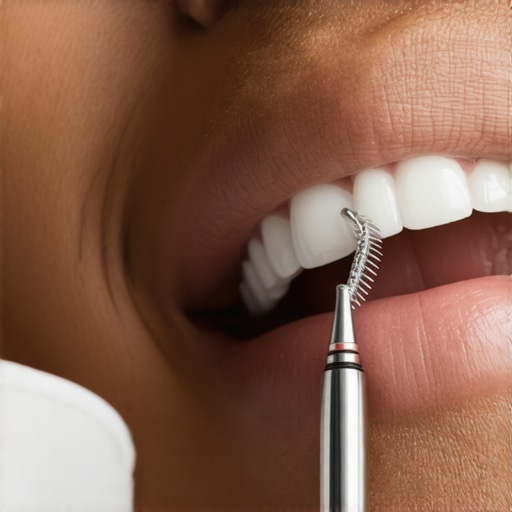 ,
,
Lessons That Took My Smile to the Next Level
- Patience Beats Quick Fixes: I once thought instant results were the goal, but enduring a few months with Invisalign transformed my confidence far more than I expected, teaching me that lasting change requires time and effort.
- Every Detail Matters: A small misalignment or discoloration might seem insignificant, but addressing these nuances with the right dental tools or procedures can profoundly impact how I perceive my smile in both photos and real life.
- Holistic Care Is Essential: Focusing solely on cosmetic aspects overlooks the importance of oral health. Regular check-ups, proper hygiene routines, and tech-assisted monitoring keep my smile healthy and photo-ready.
- Beyond Aesthetics—Well-being Counts: Improving my smile didn’t just enhance my appearance; it boosted my overall confidence and well-being, proving that dental health is intertwined with how I feel daily.
Your Essential Guides for a Radiant Smile
I’ve found that leveraging the right technology and expert insights makes all the difference. The comprehensive guide on crowns deepened my understanding of restorative options that combine durability with aesthetics. For maintaining family oral health with the latest innovations, this resource on modern family dentistry offers practical tips and breakthrough techniques. To explore how Invisalign can revolutionize your alignment journey, consider this article on Invisalign innovations. These tools and insights are my trusted allies in the ongoing quest for a healthier, more confident smile.
Keep Moving Forward With Confidence
Every step you take towards improving your dental health and smile is an investment in your happiness and self-assurance. Embrace the journey, leverage cutting-edge resources, and remember—your best smile is yet to come. What’s the one dental improvement you’re excited to try next? Share below—your story might inspire someone else to take that first step!