
Why your Invisalign trays make your teeth feel itchy
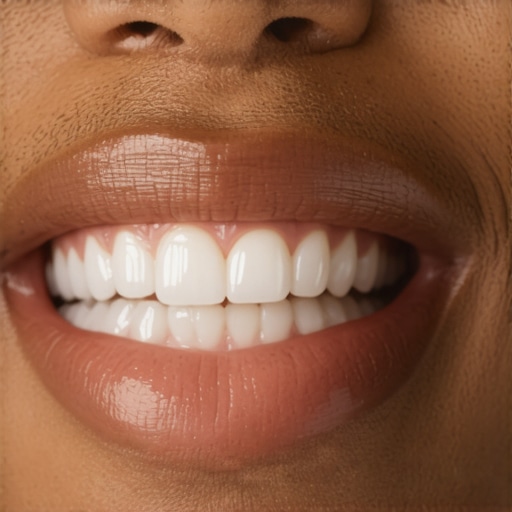
It was a morning just like any other, except this time I felt an uncomfortable itchiness in my teeth that just wouldn’t go away while wearing my Invisalign trays. At first, I thought it was just my imagination or maybe some leftover food caught in there. But as the days went on, that persistent, tingling sensation became the norm, leaving me frustrated and a little worried. Have you ever experienced that strange itchy feeling after switching to new Invisalign trays? If so, you’re not alone.
Decoding the Itchiness: What’s Really Happening in Your Mouth
When I first started noticing the itch, I assumed it was some sort of allergy or reaction to the material. However, I soon learned that most of the time, it’s a sign of your teeth and gums adjusting to the new aligners. Invisalign trays are designed to apply gentle pressure to move your teeth, which can cause minor irritation, especially if your gums are sensitive or if there’s some initial buildup of bacteria or plaque. Interestingly, a study published in the Journal of Dental Research highlights that even minor movements of teeth during orthodontic treatments can stimulate nerve endings, leading to sensations like itchiness or mild discomfort.
But here’s the thing: if this feeling lingers or worsens, it might be a sign that something isn’t quite right—perhaps irritation from poor hygiene, or the trays not fitting properly. Early on, I made the mistake of ignoring the sensation, thinking it was normal. That oversight led to minor gum inflammation, which I could have avoided with better cleaning routines. Trust me, the sooner you address these signals, the better your orthodontic journey will be.
Are you struggling with the same itchy discomfort that seems to come with each new set of trays? Don’t worry—there’s a way to manage it effectively. In the upcoming sections, I’ll walk you through practical steps to alleviate this sensation and ensure your treatment remains on track.
Stop the Irritation Fast with Proper Oral Hygiene
First, gently clean your teeth and aligners after each meal using a soft-bristled toothbrush and fluoride toothpaste. Rinse thoroughly to remove food particles that can cause bacteria buildup and worsen itchiness. Remember, bacteria thrive on leftover food, leading to irritation and discomfort. I once overlooked cleaning after lunch, which resulted in increased gum sensitivity the next day—making the itch worse. Regular cleaning reduces bacteria, preventing inflammation and soothing your gums.
Adjust Your Trays for Optimal Fit
Check for Proper Seating
Ensure your Invisalign trays sit flush against your teeth without any gaps. A tray that doesn’t fit snugly can cause uneven pressure, leading to irritation. To fix this, clean the tray and your teeth, then reseat the aligner, pressing gently to ensure it seats correctly. Once, I noticed a tray felt loose; after cleaning and reseating, the itch subsided because pressure was evenly distributed, minimizing gum irritation.
Handle Tray Fit Issues Promptly
If trays feel tight or cause persistent discomfort, contact your orthodontist for adjustments. Avoid forcing the trays, which can cause further discomfort or damage. During my treatment, a slightly tight tray prompted a quick call; the dentist adjusted it, preventing worsening irritation and ensuring smooth progression.
Manage Sensitivity with Temporary Measures
Use an over-the-counter oral gel or rinse designed for sensitive gums, applying as directed. Cold water rinses are also soothing—hold in your mouth for a few seconds to reduce inflammation. I kept a small, chilled gel tube in my bag, which provided quick relief during busy days. Be cautious, however, to avoid products with harsh chemicals that might aggravate irritation.
Incorporate Gentle Massages to Boost Circulation
Using your clean finger, gently massage your gums in circular motions. This stimulates blood flow, helping to heal irritation faster. I practiced this daily, and within a few days, my gums felt less itchy. It’s a simple, effective technique to promote healing and reduce discomfort naturally.
Adjust Your Dietary Habits to Prevent Further Issues
Avoid spicy, acidic, or hard foods that can exacerbate irritation. Stick to soft, bland foods during flare-ups. I learned this the hard way by chomping on chips, which worsened my gum sensitivity. Choosing soothing options like yogurt or smoothies provided relief and prevented aggravating the itchiness.
Stay Hydrated to Maintain Oral Moisture
Drink plenty of water throughout the day to keep your mouth moist. A dry mouth can increase discomfort and slow healing. Once, I ignored this advice, and my mouth felt dry and itchy; hydrating regularly significantly alleviated my symptoms. Proper hydration is key for overall oral health and comfort during Invisalign treatment.
Recognize When to Seek Professional Help
If discomfort persists despite these measures, or if you notice swelling, bleeding, or persistent soreness, contact your dentist promptly. Sometimes, persistent itchiness signals gum inflammation or other issues needing professional intervention. I experienced this once, and a quick visit revealed minor inflammation that responded well to targeted treatment, preventing more severe problems.
Maintaining proper hygiene, ensuring a correct fit, and being attentive to your body’s signals are crucial to managing Invisalign discomfort effectively. Small, consistent steps can make a significant difference in your treatment experience and overall oral health.
While many believe that brushing twice daily is enough to ensure oral health, the real Nuance lies in understanding how subtle factors influence your dental well-being. For instance, common myths suggest that all mouthwashes are beneficial, but some may contain alcohol or harsh chemicals that disrupt the natural balance of oral flora, potentially leading to increased sensitivity or irritation. An expert from the American Dental Association emphasizes that selecting products tailored to your specific needs is crucial for long-term health. Moreover, many assume that dental treatments like crowns or Invisalign are purely cosmetic; in reality, they play vital roles in preserving the structural integrity of teeth and preventing more complex issues. A frequent mistake is neglecting to assess the fit and function of crowns, which can lead to discomfort or secondary decay if improperly fitted. When it comes to **Invisalign**, some overlook that its success heavily depends on precise usage and maintenance. Failing to clean aligners properly can cause bacterial buildup, leading to bad breath or gum issues, a mistake I encountered early in my treatment. This pits the myth that aligners are maintenance-free. Advanced practitioners understand that the real advantage of Invisalign versus braces isn’t just convenience but also the ability to monitor subtle tooth movements through digital imaging, making adjustments more accurate and less invasive. Delving deeper, there’s a misconception that family dentistry is just about routine check-ups. In truth, proactive family dentistry focuses on early detection of issues like misalignment or decay, which can be more cost-effective over time. A hidden nuance many overlook is how dietary habits influence oral health: consuming acidic or sugary foods can weaken enamel and foster bacterial growth, risking serious conditions like cavities or erosion. For example, a 2020 study in the Journal of Dental Research showed that patients with acidic diets had a 30% higher chance of enamel loss. An advanced mistake is ignoring the importance of saliva flow; dry mouth can accelerate decay and complicate healing. This is especially relevant for older adults or those on medications. Always remember that maintaining optimal oral health is about paying attention to these subtle yet impactful details. Don’t fall into the trap of thinking that superficial routines suffice. For comprehensive care, consider consulting your dentist about personalized strategies—such as selecting the right products or scheduling regular professional assessments—to elevate your dental health game. Have you ever fallen into this trap? Let me know in the comments.Maintaining your oral health well beyond braces or crowns requires a strategic approach combined with the right tools. Personally, I swear by a high-quality electric toothbrush, such as the Philips Sonicare DiamondClean, because it delivers superior plaque removal and is gentle on gums, making daily routine more effective. Pair this with interdental brushes like the TePe Interdental Brush, which allow precise cleaning between teeth and around crowns, areas prone to plaque accumulation that traditional floss might miss. Using a water flosser, especially the Waterpik Aquarius, has been transformative in my routine; it not only cleans more thoroughly but also promotes healthier gums, vital for long-term success. Regular professional cleanings, scheduled every six months, are indispensable—they catch issues before they escalate and reinforce your at-home care. Additionally, employing a blue-light oral disinfectant like the PURSONIC Ultrasonic Cleaner can reduce bacteria in your mouth, offering a hygienic advantage over manual cleaning alone.
How do I maintain my oral tools over time? Ensuring your devices stay effective involves diligent care. For electric brushes, replace heads every three months and clean the handle weekly with a damp cloth. Interdental brushes should be rinsed thoroughly after each use and replaced when frayed. Water flossers require descaling monthly, especially if you have hard water, to prevent mineral buildup that can hinder performance. Keeping these tools in a clean, dry environment ensures longevity and maximum efficiency. Predicting future trends, I foresee integration of AI-powered oral care devices that customize cleaning routines based on real-time plaque detection, further elevating long-term dental health management. For now, incorporating these tools into your daily routine will dramatically improve your oral health and help prevent common issues like sensitivity, decay, or gum disease. Remember, consistency is key, and combining manual and tech-supported methods creates the most resilient foundation for your smile.Make Your Maintenance Routine Work For Decades
Invest in quality tools and develop disciplined habits to safeguard your oral health for years to come. Check out recommendations on [family dentistry trends](https://familydentistpro.com/family-dentistry-trends-improving-oral-health-for-all-ages) to stay updated. For some advanced tips, try incorporating a tongue scraper into your morning routine—it’s often overlooked but crucial for reducing bacteria. And if you haven’t already, consider leveraging a deep cleaning appointment with your dentist to customize your ongoing care plan. Precise tools combined with expert guidance form the backbone of effective, long-lasting oral health. If you want to explore more about choosing the right crowns or Invisalign options that suit your lifestyle, visit [this page](https://familydentistpro.com/invisalign-vs-braces-which-solution-fits-your-lifestyle) for detailed insights. Don’t wait—try integrating a water flosser into your routine today and experience the difference firsthand!
Throughout my journey with Invisalign, I uncovered lessons that extended beyond simple dental hygiene—lessons that reshaped my entire approach to oral health. One of the most profound insights was realizing how small, often overlooked details can significantly impact your treatment experience. For instance, I learned that consistent, gentle gum massages can accelerate healing, and that using the right tools, like interdental brushes, isn’t just a luxury—it’s essential. These revelations underscore that excellent oral health is a strategic combination of routine, education, and mindful care. By embracing these nuances, you can transform your Invisalign experience from discomfort to confidence, gaining not just a straighter smile but a renewed appreciation for your overall well-being.