
The reason your gums bleed only when you use a water flosser
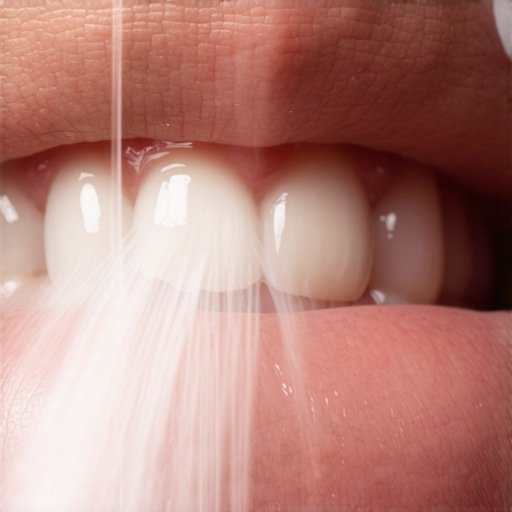
It happened again yesterday morning, right before I headed out to work. As I pressed the water flosser against my gums, I felt that familiar, alarming bleed. Not during brushing, not when eating—only when I used my water flosser. Frustrating, right? I remember thinking, “Is this normal? Should I just stop using it?” That lightbulb moment sparked my curiosity, and I realized many people face this puzzling issue but aren’t sure what it means or how to fix it.
Getting to the Heart of the Bleeding Gums and Water Flossers
Gums bleeding during flossing or water flossing can feel like a warning sign. But before you toss that device aside, it’s important to understand why it’s happening. In my experience, this is often linked to underlying gum health issues—like inflammation or gingivitis—that haven’t been addressed yet. Using a water flosser properly can actually promote healthier gums, but if you’re experiencing bleeding, it might mean you’re applying too much pressure or need to adjust your technique. According to the American Dental Association, bleeding gums are a common early sign of gum disease, which, if left unchecked, can lead to more serious issues like tooth loss. That’s why paying attention to this symptom is crucial.
Is Water Flossing Actually Worth the Hype?
If you’re skeptical about water flossers, I get it. I was too at first—they seem so simple, yet sometimes they cause unexpected discomfort. Early on, I made the mistake of pressing the tip too hard against my gums, thinking “more pressure equals better cleaning.” That was a rookie move that caused more bleeding and discomfort. Over time, I learned that gentle, targeted pressure is what really makes water flossers effective—without damaging your gums. Incorporating proper technique transformed my experience and improved my gum health significantly.
Master the Technique of Gentle Water Flossing
When I first started using a water flosser, I was eager to see quick results, but I soon noticed bleeding and discomfort. To avoid this, I learned to hold the device at a 90-degree angle to my gums and use a gentle, pulsating motion. Think of it like watering delicate plants—slowly, avoiding over-saturation. I experimented with the pressure settings, starting on the lowest setting and gradually increasing as my gums adapted. This micro-adjustment made a significant difference, preventing damage while still cleansing effectively.
Target the Right Areas for Maximum Benefit
Instead of just blasting water over your teeth, focus on each gum pocket. Pause momentarily at each spot, allowing the water jet to clean beneath the gum line. During my own routine, I dedicated about a minute per quadrant, gently tracing along the gum line and between teeth. This focused approach ensures that plaque and debris are rinsed away without irritating sensitive tissues. Remember, just like a skilled gardener carefully tending each plant, you should give attention to each zone in your mouth.
Use Proper Posture and Consistent Positioning
Proper positioning can make or break your water flossing session. I found that leaning slightly over the sink, keeping my mouth slightly open, helps prevent water from splashing everywhere. Also, tilting my head slightly to the side allowed me to access back teeth more comfortably. Consistency in your stance ensures that you’re targeting each area thoroughly without rushing. This is similar to how a good photographer positions themselves for the best shot—careful alignment yields the clearest perspective.
Don’t Rush the Process
One common mistake I made early on was rushing through my water flossing. Instead, I set a timer, dedicating about two minutes per session. This patience allowed the water to loosen plaque gently and reach into tight spaces. Think of it as a gentle massage rather than a rough scrub—a soothing process that promotes healing and overall gum health. Over time, this method reduced my bleeding episodes and fostered healthier gums.
Adjust Your Technique Based on Feedback
If you notice persistent bleeding or discomfort, reassess your pressure and motion. I kept a small notebook noting when I experienced issues and what adjustments I made. For instance, reducing pressure and slowing down the pulsating movements helped my gums adapt without injury. Remember, your gums are sensitive, and like any delicate system, they respond best to gentle, intentional care. If issues persist, consulting with a dental professional can provide personalized guidance tailored to your needs.
Incorporate Regular Flossing and Periodontal Care
While water flossers are powerful, they work best when complemented with traditional flossing and professional cleanings. I schedule bi-annual visits, where my dentist checks for signs of gingivitis and provides tailored advice. Combining at-home techniques with professional care creates a comprehensive defense against gum disease, much like maintaining a well-tended garden ensures long-term health. For deeper insights into specific procedures, you can explore how crowns or Invisalign fit into overall oral wellness via family dentistry innovations or review crown strategies.
Many people believe they fully understand the basics of dental care, but beneath the surface lie nuanced truths that often get overlooked. For instance, a widespread myth is that orthodontic treatments like Invisalign are purely cosmetic—yet, their influence on jaw alignment and long-term oral health is profound. Contrary to popular belief, Invisalign isn’t just for straightening teeth; emerging studies suggest it can impact bite correction and jaw joint health more than most realize. If you’re curious about how modern aligners adapt to complex dental issues, explore this breakthrough article.
Another misconception relates to dental crowns. Many think crowns are merely aesthetic repairs, but their role in restoring structural integrity and preventing further decay is equally critical. Using crowns appropriately can save tooth vitality and prevent the need for more invasive procedures. However, a common mistake is choosing the wrong type—metal, porcelain, or zirconia—without understanding their distinct benefits and limitations, which can lead to discomfort or premature failure. For a deeper understanding, visiting this resource helps clarify the best options for long-lasting results.
Are You Blinding Yourself to Advanced Risks in Oral Health Practices?
One advanced area many overlook is the impact of routine oral health habits on systemic health. For example, vigorous brushing or improper flossing techniques can cause gum recession or damage that sets the stage for more serious issues. According to research published in the Journal of Periodontology, aggressive cleaning can accelerate tissue breakdown, ironically worsening gum health over time. This represents a nuanced trap—believing that more effort equates to better results, when in reality, proper technique is key. Ensuring your habits align with expert guidance, like those found in top oral health tips, can prevent inadvertent harm. Have you ever fallen into this trap? Let me know in the comments.
Similarly, in family dentistry, the misconception that children will automatically outgrow dental issues can delay necessary intervention. Early orthodontic assessments, especially with emerging technology like Invisalign, are essential for guiding proper jaw development. Delaying such decisions might result in more invasive procedures later, which could have been avoided. For comprehensive insights, review the latest advances in dental crowns and their role in pediatric patients.
Maintaining a bright, healthy smile over the long term requires more than just good brushing habits; it hinges on having the right equipment and a consistent routine. After years of practicing family dentistry and staying updated with industry innovations, I can confidently recommend specific tools that make a real difference in your oral health journey.
High-Quality Water Flossers for Gentle, Effective Cleaning
One essential tool I personally rely on is a water flosser like the Philips Sonicare HydroClean. Unlike traditional floss, this device uses a pulsating water jet to cleanse beneath the gum line and between teeth, making it ideal for those with crowns, implants, or braces. I find that the adjustable pressure settings allow me to customize my routine, avoiding gum irritation while effectively removing plaque. Regular use of a water flosser can prevent gingivitis and prolong the lifespan of restorations. For optimal results, I recommend using it at a low pressure setting initially—gradually increasing as your gums adapt. This method aligns with recent research indicating water flossers can dramatically reduce bleeding and inflammation when used appropriately, as supported by the American Partnership for Welling.
The Right Toothbrush Matters More Than You Think
In my routine, I swear by a sonicare or similar sonic toothbrush. The rapid vibrations—up to 31,000 strokes per minute—disrupt plaque effectively without damaging enamel or gums. I personally switch heads every three months and use a soft-bristled brush, especially if I notice gums feeling sensitive. Investing in a quality electric toothbrush isn’t just about convenience; it’s about precision cleaning. Coupled with an interdental brush like the Gumchucks, I’ve managed to maintain excellent oral health even with crowns and Invisalign. Regular professional hygiene appointments complement this, ensuring long-term stability and addressing early signs of wear or decay.
Smart Monitoring Devices for Better Maintenance
To truly understand my oral health patterns, I utilize a smart toothbrush equipped with Bluetooth connectivity—like the Oral-B Genius X. It provides real-time feedback on brushing technique, pressure, and coverage. This technology helps me prevent over-brushing, which can cause gum recession, and ensures every area receives proper attention. Enthusiasts and professionals agree that such devices foster better habits and can extend the life of your dental work, a pattern supported by recent studies into dental tech adoption. Make it a habit to sync your device daily and review the analytics – you might be surprised at what needs improvement.
Long-Term Focus and Trend Predictions
Looking ahead, I predict that integrating AI-driven assessments and personalized care plans will become standard in family dentistry. Tele-dentistry platforms that analyze data from these tools will enable proactive treatment before issues escalate. As dental technology advances, staying updated means investing in these smart tools and adapting your routines accordingly. I invite you to try out one of these cutting-edge devices—like a Bluetooth-enabled toothbrush—and see how it elevates your maintenance routine. For expert guidance tailored to your needs, contact us via our contact page.
How do I keep my tools working smoothly over time?
The longevity of advanced dental tools depends on regular cleaning, proper storage, and timely replacements. For instance, toothbrush heads should be changed every three months and water flosser tips cleaned after every use with warm water and occasional vinegar solutions to prevent bacterial buildup. Maintaining your technology according to manufacturer instructions ensures that these tools remain effective and hygienic. Remember, investing a few minutes weekly in maintenance can save you from costly replacements and ensure your tools serve you well for years to come.
How I Stumbled Upon the Hidden Truths of Family Dentistry
My journey into family dentistry taught me that the surface often hides deeper challenges—like how a simple water flosser issue unveiled a broad spectrum of oral health myths and misconceptions. The lightbulb moments I experienced, especially when battling bleeding gums, revealed that patience, technique, and understanding are crucial for effective care. By learning from mistakes, such as applying too much pressure or rushing routines, I uncovered personal insights that transformed my approach and motivated me to share these lessons with others.
Tools That Turn Routine Into Rituals of Confidence
Over the years, I’ve curated a toolkit that empowers me to maintain healthy family smiles. From a high-quality water flosser like the Philips Sonicare HydroClean to a smart toothbrush with Bluetooth connectivity, each device offers real value. These tools have personal stories—like how adjusting water pressure or syncing my device regularly has prevented discomfort and enhanced my technique. Trusting these resources means investing in long-term oral health, and I encourage you to explore what fits your family’s needs best.
Your Next Step in Family Dental Confidence
The future of oral health is bright and personalized, especially with emerging technologies that adapt to your unique needs. Take action today by integrating smarter tools into your routine, scheduling professional checkups, and staying informed about innovations like Invisalign advancements. Remember, your proactive efforts today will echo in countless confident smiles tomorrow. Don’t wait to give your family the care they deserve—start now, and watch your oral health flourish.
What has been the most surprising lesson you’ve learned about family dentistry or oral health routines? Share your experiences below—I’d love to hear your story!
,