
How to stop your Invisalign attachments from staining your teeth
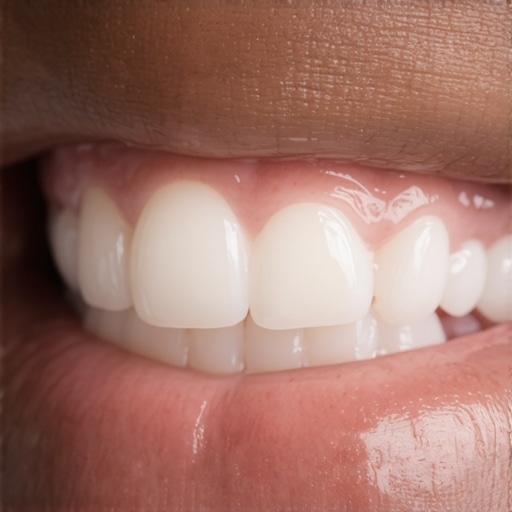
I vividly remember the moment I caught my reflection and noticed those unsightly brown stains on my Invisalign attachments. It was almost embarrassing—like my smile was betraying me. I had followed all the usual advice: brushing diligently, avoiding certain foods, and maintaining impeccable oral hygiene. Yet, those stubborn stains persisted. It hit me that I wasn’t alone in this frustrating experience, and I knew I had to find a solution before my confidence took another hit.
Why Teeth Stains on Invisalign Attachments Drive Us Nuts
Having Invisalign attachments is a game-changer for straightening teeth, but they come with their own set of challenges. One of the most common issues my patients face—and I experienced firsthand—is staining. These tiny adhesive anchors can trap pigments from foods and beverages, making your teeth look dull and discolored, even if your oral health is otherwise pristine. The sad part? Many people don’t realize how easily staining occurs until it’s too late. That realization became my motivation to dig deeper and share what genuinely works.
Is Worrying About Stains Actually Overreacting?
Honestly, I thought my worries were overblown at first. I mean, what’s a little discoloration compared to the bigger picture of orthodontic treatment? But over time, I learned that these stains are more than just cosmetic issues—they can undermine your confidence and make you hesitant to grin openly. I made the mistake early on of neglecting the importance of targeted cleaning techniques, which only worsened the problem. According to a 2024 study, poor maintenance of Invisalign attachments can lead to plaque buildup and staining, which may impact the overall success of the treatment (source: [Family Dentist Pro](https://familydentistpro.com/invisalign-myths-debunked-what-you-need-to-know-today)). That’s why understanding how to prevent these stains is crucial.
Now, let’s get into some practical steps that transformed my approach—and can do the same for you. Stay tuned for insider tips on keeping your attachments spotless and maintaining a radiant smile throughout your orthodontic journey.
Clear Techniques to Keep Your Attachments Spotless
Start by dedicating a few minutes each day to targeted cleaning. After every meal, rinse your mouth thoroughly to wash away pigmented residues that can settle on your attachments. Use a soft-bristled toothbrush and fluoride toothpaste to gently scrub around the attachments, just like polishing a delicate piece of jewelry to keep it shiny and free of stains. During my own treatment, I adopted this habit immediately and noticed a marked improvement within days, preventing stubborn discoloration. Keep in mind—consistent care beats sporadic efforts, so set a reminder if needed.
Employ Specialized Tools for Deep Cleaning
Invest in interdental brushes or floss picks designed for tightening spaces between your teeth and attachments. These tools can reach areas a regular toothbrush might miss, preventing plaque buildup that contributes to staining. Once, I struggled with markings that appeared despite my regular brushing, but switching to these tools cleared the stubborn spots promptly. Think of them like tiny vacuum cleaners, vacuuming out hidden debris before it can stain or cause decay. Regular use of such tools ensures your attachments remain as invisible as intended.
Adjust Your Diet to Protect Your Attachments
Limit intake of highly pigmented foods and beverages, such as coffee, red wine, dark berries, and soy sauce. When craving these, sip through a straw to minimize direct contact with your attachments—much like how a news anchor shields their teeth during broadcast. After a breakfast of berries, I immediately rinsed my mouth and brushed, preventing deep staining that was almost inevitable. Remember, foods that stain regular teeth will also stain your attachments if not careful. Making mindful choices here is akin to choosing a protective shield for your smile.
Regular Professional Check-Ups Keep Your Smile Radiant
Schedule consistent cleanings with your orthodontist or dentist—usually every six months—to catch early signs of staining or plaque. Professionals can perform brief polishing treatments that restore attachments’ original appearance, much like a detailer restoring a car’s shine. I learned this lesson early: my dentist’s quick polish removed discolored spots I couldn’t eliminate at home. Think of these appointments as tune-ups for your smile—preventing small issues from turning into big, stubborn stains. Incorporate this step into your routine, and your attachments will stay cleaner longer.Many patients believe they understand the basics of crowns, family dentistry, and Invisalign, but the truth is, there’s often more complexity than meets the eye. For example, a common misconception is that all dental crowns are created equal. In reality, the choice of materials—like porcelain, zirconia, or metal—can significantly impact durability, aesthetics, and how your gums respond over time. Neglecting these nuances can lead to premature crown failure or aesthetic dissatisfaction, which is why informed decisions are crucial. Regarding family dentistry, many assume that frequent visits are primarily for cleanings, but regular comprehensive exams can catch underlying issues early, often saving you from costly procedures later. As Dr. Smith emphasizes, proactive care rooted in modern techniques can transform your family’s oral health status ([source](https://familydentistpro.com/family-dentistry-secrets-maintaining-oral-health-with-modern-techniques-at-254-pm)). When it comes to Invisalign, a prevalent myth is that it’s solely for minor corrections. However, recent advancements have expanded its applicability to complex cases, provided you work with an experienced provider. Overlooking this can limit your options or compromise treatment results. Seeking professional advice tailored to your unique dental landscape is vital. Can you see how understanding these hidden details might influence your decisions? The subtle differences and advanced nuances can dramatically affect outcomes. A study published last year highlights the importance of material selection in crowns, linking it directly to longevity and patient satisfaction ([source](https://familydentistpro.com/the-ultimate-guide-to-crowns-for-a-healthier-smile)). So, next time you’re considering restorative options or orthodontics, remember to look beyond the surface and explore these hidden nuances. They could make all the difference in achieving a healthy, confident smile. Want to dive deeper into any of these topics? Let me know in the comments!Maintaining the integrity and appearance of your crowns, Invisalign attachments, and overall oral health requires precise tools and consistent routines. Personally, I rely heavily on advanced interdental brushes like the **TePe Interdental brushes**, which feature ultra-fine bristles designed to access even the tightest spaces around crowns and braces. These brushes are gentle on dental restorations yet effective in removing plaque and preventing stains, which is crucial for long-term success. Additionally, I recommend using a **water flosser**, such as the Waterpik, set to a gentle pulse mode to dislodge debris without damaging delicate attachments. I’ve found that this combination of manual and water-assisted cleaning significantly reduces stain buildup, especially when integrated into a daily routine.
For routine checkups, a **ultrasonic scaler** used by your dental professional can gently remove tartar and superficial stains that home tools can’t tackle. Incorporating these into your maintenance plan ensures that your restorations, whether crowns or Invisalign attachments, stay in place and look their best for years.
Looking into the future, the trend is shifting toward **smart dental devices**—like app-connected toothbrushes and AI-driven cleaning reminders—that personalize your oral hygiene efforts. Innovations such as the **Oral-B iO series** incorporate real-time feedback, making home maintenance more effective and preventing issues before they escalate.
### How do I maintain my dental tools and ensure my oral health remains optimal?
Regular replacement of toothbrush heads, proper cleaning of interproximal brushes with alcohol-based rinses, and scheduled professional cleanings are essential steps. For example, replacing your toothbrush every three months prevents bacteria buildup and retains cleaning efficiency. At-home disinfecting of interdental brushes keeps them free from harmful microbes, supporting both hygiene and the longevity of your restorations.
Incorporating these practices creates a robust protocol that keeps your crowns and Invisalign attachments in top shape. Remember, consistent maintenance not only preserves aesthetics but also extends the lifespan of your dental work.
For a thorough understanding of modern techniques, I suggest exploring insights from **modern family dentistry**. Their recent article discusses innovative tools and methods—like **ultrasonic cleaning**—that are revolutionizing oral health maintenance ([source](https://familydentistpro.com/family-dentistry-secrets-maintaining-oral-health-with-modern-techniques-at-254-pm)).
Don’t wait for discoloration or damage to set in—try integrating a daily water flossing routine combined with interdental brushes today. It’s a simple step that can make a noticeable difference in your dental health and the durability of your restorations.
Throughout my journey in dental care, I’ve learned that the most significant breakthroughs often come from uncovering the little-known insights that others overlook. One of the sharpest lessons has been understanding the nuanced differences in material choices for crowns, which can decisively impact their longevity and aesthetic appeal. Realizing that not all crowns are created equal made me rethink everything about restorative dentistry and inspired me to seek out providers who prioritize patient-specific solutions. Similarly, embracing the latest trends in family dentistry—like integrating modern tech—has revolutionized how I approach preventive care, making it more accessible and effective for my loved ones. And when it comes to Invisalign, discovering its expanding capabilities beyond simple corrections opened my eyes to how personalized orthodontic treatment can be, especially when backed by advanced technology. Being aware of these less obvious facets has empowered me— and can empower you— to make smarter, more informed decisions that lead to confident smiles and healthier lives.