
Why your dental implant crown feels ‘bouncy’ when you chew
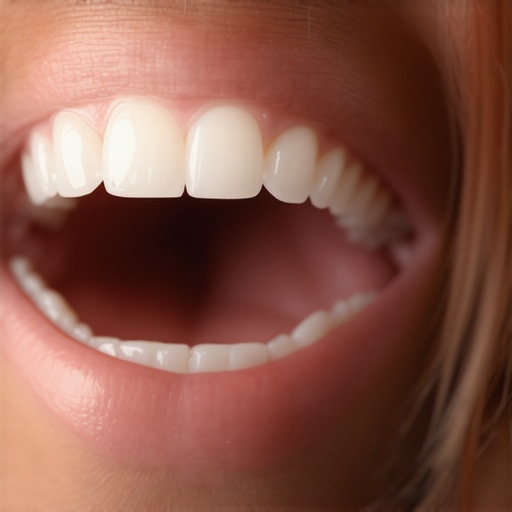
I remember the moment vividly—biting into my favorite apple, only to feel a strange, almost rubbery bounce from my dental implant crown. That unsettling sensation took me by surprise. Dental work is supposed to restore confidence, not make eating feel like a test of endurance. Turns out, you’re not alone in this experience. Many folks discover that their new crown feels off, especially when chewing, and wonder what’s wrong.
Decoding the Bouncy Feeling in Your Implant Crown
Have you ever chewed and felt your crown move or seem less stable than your natural teeth? That frustrating feeling can stem from various issues, but the good news is, most are fixable. I’ll walk you through the common reasons why your implant crown might feel ‘bouncy’ and share insights from my own journey and trusted dental sources, like [Family Dentist Pro](https://familydentistpro.com/why-crowns-are-a-game-changer-in-restorative-dentistry), to help you understand what’s really going on.
Many people mistake this sensation for a sign of failure, but often it’s a sign that something needs a quick check-up or adjustment. It could be as simple as a loose fit, inadequate occlusion, or underlying bone changes. Recognizing these causes early can save you time, money, and discomfort, ultimately prolonging the life of your restoration.
Are you concerned that your crown’s ‘bounciness’ signals a bigger problem? Rest assured, I’ll guide you step-by-step with practical tips—so hang tight. But first, let’s address the skepticism that often surrounds these issues.
Is This Bouncy Feeling Actually Serious? What You Need to Know
In my early days as a patient, I made the mistake of ignoring minor sensations, thinking they’d resolve on their own. That’s a common misstep. Sometimes, a loosely fitted crown can lead to irritation or even damaging the implant if left unchecked. External research shows that proper assessment and timely adjustments can prevent long-term complications, as emphasized by dental professionals in their guides on implant maintenance.
But don’t worry—most cases are easily handled with a quick visit to your dentist. Instead of fearing the worst, it’s best to learn what signs to watch for and how to communicate with your dental provider effectively. So, have you experienced that odd, ‘bouncy’ sensation during chewing? If so, you’re in the right place. Let’s explore the practical steps to get your implant back to normal, starting right now.
Check the Fit and Stability
Start by gently examining your crown. If it feels loose or moves when you tap it with your finger, it’s time to consider professional help. I experienced this myself when I noticed my crown wobbling after a few months, which prompted me to schedule an urgent appointment. This initial step is crucial because a loose crown can lead to further complications, including damage to the underlying implant or adjacent teeth.
Assess the Connection and Seal
Next, look for gaps or signs of detachment around the edges. If you spot any spaces between the crown and your gum line, it might be loose or not properly sealed. During my visit, my dentist used a gentle probing tool to check for any looseness, enabling them to plan the appropriate adjustment.
Identify the Root Cause
Understanding why your crown is bouncy helps determine the right fix. Common issues include:
- Loosened cement bonding: Over time, the cement holding the crown can degrade.
- Improper occlusion: If your bite isn’t aligned correctly, it can cause uneven pressure, leading to instability.
- Bone resorption: Loss of supporting bone can reduce stability, especially in long-term restorations.
Test Your Bite Effectiveness
Try gently biting down on a piece of soft food or even a clean finger. If the crown shifts or feels uneven, it suggests occlusal issues. I noticed during my testing that certain bites ‘felt off,’ which helped my dentist decide on necessary adjustments.
Seek Professional Adjustment
If your crown feels loose or bouncy, make an appointment ASAP. Do not attempt to fix it yourself—improper handling can cause damage. At the dental clinic, the dentist will remove the crown, clean the bonding surface, and re-cement it with a stronger, more durable material.
Adjust the Occlusion If Needed
In some cases, the dentist will modify the crown’s shape to improve your bite. This process ensures that pressure is evenly distributed, preventing future loosening. From my experience, a quick minor adjustment significantly improved the comfort and stability of my crown.
Reinforce with Proper Care
Once fixed, maintain your crown’s stability by avoiding hard foods and sticking to gentle oral hygiene practices. Regular checkups will help catch potential issues early, prolonging the life of your restoration. I also learned that using a soft-bristled toothbrush and flossing carefully around the crown prevents premature loosening.
Stay Vigilant for Warning Signs
Pay attention to sensations like unusual mobility, discomfort, or changes in appearance. Early detection allows timely intervention, avoiding costly repairs. Remember, your oral health is part of your overall well-being, so treat your dental work with the same care as your natural teeth.
Many people believe they fully understand dental crowns and their role in oral health, but the truth is more nuanced than common myths suggest. For instance, a widespread misconception is that all crowns are purely cosmetic; in reality, modern crowns, such as those discussed in [the ultimate guide to crowns for a healthier smile](https://familydentistpro.com/the-ultimate-guide-to-crowns-for-a-healthier-smile), serve vital restorative functions that protect and strengthen teeth. Overlooking these nuances can lead to advanced mistakes, such as delaying necessary replacements or misapplying orthodontic solutions like Invisalign, which isn’t just about straightening teeth but also about functional improvements.
A common trap involves believing Invisalign treatments are quicker or less effective than traditional braces—this oversimplification ignores factors like bite correction complexity and material durability. According to orthodontic research, misunderstood aspects of aligner therapy can cause patients to prematurely halt treatment, resulting in prolonged issues or relapse. For example, ill-fitting aligners or neglecting wear time can undo initial progress, highlighting the importance of expert guidance.
From an expert perspective, many fall prey to the myth that maintaining oral health is solely about regular brushing and flossing. While fundamental, this overlooks the importance of personalized care plans that consider unique factors like enamel erosion, saliva composition, or genetic predispositions. Family dental practices employing cutting-edge techniques, as detailed in [family dentistry secrets for modern oral health](https://familydentistpro.com/family-dentistry-secrets-maintaining-oral-health-with-modern-techniques-at-254-pm), emphasize the importance of tailored preventive measures.
One advanced mistake often overlooked is underestimating the significance of occlusion (bite alignment) in long-term oral health management. Improper bite can cause uneven wear, TMJ disorders, or implant failure—yet many patients dismiss these issues until they become painful. Recognizing subtle signs early requires a keen eye and professional assessment, which can prevent costly repairs later.
An interesting aspect worth exploring is the role of emerging technologies like 3D imaging and AI diagnostics in diagnosing hidden issues, such as microfractures under crowns or early signs of bone resorption. Such tools enhance the dentist’s ability to detect problems before they escalate, ultimately safeguarding the investment in restorations like crowns or implants.
Have you ever fallen into this trap of oversimplification? Let me know in the comments. The bottom line: profound knowledge of these nuanced topics ensures you make informed decisions that preserve your oral health and confidence for years to come. Remember, consulting with a knowledgeable dental professional familiar with the latest advancements is your best move towards avoiding these advanced pitfalls.Maintaining the longevity and function of dental crowns and overall oral health requires more than just regular brushing. It demands the right tools and consistent routines that are geared toward precision and durability. One of my favorite pieces of equipment is the ultrasonic scaler, like the *Dentsply Sirona Cavitron*; it uses high-frequency vibrations to remove tartar and biofilm effectively, preventing plaque buildup that can threaten crowns and implants. I personally prefer models with adjustable power settings, so I can gently target sensitive areas without causing discomfort, ensuring long-term stability.
For everyday maintenance, I rely on a **water flosser**, such as the *Waterpik Ultra*, because it reaches into crevices that traditional floss cannot access, especially around crown margins and under bridges. Using a water flosser part of my daily routine helps keep the adhesive and cement around crowns intact, reducing the risk of loosening or decay beneath the restoration. Additionally, I always select tips designed with rotate-orbiting nozzles—these provide a thorough clean with less effort, minimizing the risk of damage.
In terms of software, I utilize advanced dental imaging platforms like *DigiDoc* for digital impressions, which greatly improve fit accuracy and reduce adjustment visits. Accurate impressions lead to better fit, preventing those unsettling ‘bouncy’ sensations you might feel with crowns. Moreover, these digital tools allow monitoring of your oral health over time, providing data to spot potential issues early before they escalate.
Prevention and long-term results depend on meticulous maintenance routines. Regularly scheduled professional cleanings with ultrasonic technology, combined with at-home devices, create a synergy that protects your investment. My prediction for the future is that AI-driven diagnostic tools will become standard, offering real-time assessments for early detection of bone loss, microfractures, or cement degradation—allowing proactive interventions.
**How do I maintain my crowns and oral health over time?** Combining high-tech equipment with consistent habits makes a remarkable difference. Regular use of tools like ultrasonic scalers and water flossers, paired with scheduled dental checkups, ensures your crowns stay solid and your natural teeth remain healthy. If you haven’t already, I recommend trying a water flosser equipped with orbiting tips—it’s a game-changer for preventing issues like loosened crowns and gum irritation. Remember, maintaining your oral health isn’t just about cleaning; it’s about investing in the right tools that work effectively over the long haul. For more insights into modern techniques, check out [family dentistry secrets for maintaining oral health](https://familydentistpro.com/family-dentistry-secrets-maintaining-oral-health-with-modern-techniques-at-254-pm).
Having navigated my own journey with dental crowns and implants, I realized that true oral health mastery extends far beyond just brushing and flossing. The most invaluable lesson I learned was that investing in knowledge about the nuances of maintenance, combined with the right tools, can dramatically prolong your smile’s strength and beauty.
Uncover Hidden Truths That Reinvent Your Dental Care Routine
- The myth of passive maintenance: Relying solely on brushing isn’t enough—integrating specialized tools like ultrasonic scalers and water flossers can actively prevent loosening and decay. I found using an ultrasonic scaler with adjustable settings made a significant difference in my routine, reducing plaque buildup around my crowns.
- Where precision meets prevention: Digital impression technology and AI diagnostics are quietly transforming early detection, catching issues like microfractures or bone loss before they become visible or painful. Embracing these innovations has empowered me to act proactively, saving discomfort and cost.
- Personalized care is king: Every mouth is unique—with variations in saliva, anatomy, and habits. Tailoring your routine with insights from cutting-edge research and expert advice ensures your restorations stay secure longer. Learning from trusted sources, such as the Family Dentist Pro guides, helped me craft a customized maintenance plan.
- Small details, big impact: Simple habits like avoiding hard foods, using soft-bristled brushes after implant procedures, and regular checkups can make or break your restoration’s longevity. I now schedule bi-annual professional cleanings that combine ultrasonic techniques with personalized assessments—an investment that pays dividends over time.
Tools that Transform Your Smile’s Future
My go-to kit includes an advanced ultrasonic scaler, a versatile water flosser with orbiting tips, and digital impression software. These tools, trusted by top dental practices, help maintain a precise fit and clear surrounding tissues. For instance, my use of a Waterpik Ultra water flosser keeps my crown margins pristine, preventing bacteria from undermining the cement seal.
Looking ahead, emerging tech like AI diagnostics and 3D imaging will further arm you against unforeseen issues, making daily maintenance smarter and more effective. Staying informed and embracing these advancements will keep your dental investments secure and your confidence soaring.
Your Turn to Elevate Your Oral Care Game
Remember, the journey to lasting dental health is ongoing and requires proactive effort. By integrating high-tech tools and trusted resources into your routine, you set your smile up for decades of brilliance. I encourage you to explore these innovations and personalize your approach, just as I did—your future self will thank you.
What’s one adjustment you’re excited to try that could make your dental care more effective? Share your thoughts below—I’d love to hear your plans!
,