
How to tell if your tooth sensitivity is actually a cracked root
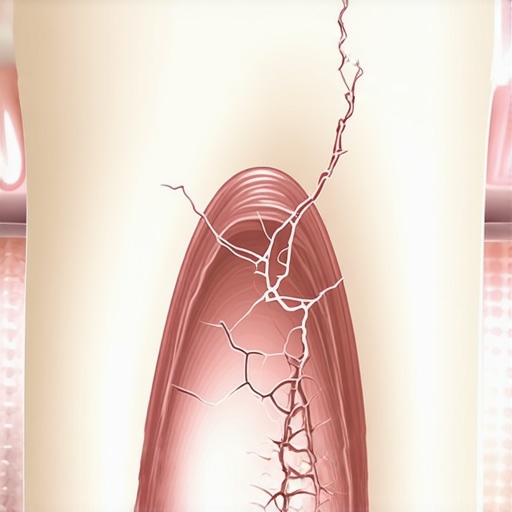
I still remember the shock I felt when I took a sip of ice-cold water and suddenly winced as if someone had stabbed me in the tooth. For weeks, I brushed off the sensitivity as just a minor annoyance—maybe I’d been chewing too hard or my toothpaste was too harsh. But deep down, I knew it was more than that. It was a wake-up call that something wasn’t right, and ignoring it could lead to serious complications.
That experience was a pivotal moment for me, and I bet many of you have faced something similar—an unexpected sharp pain or lingering sensitivity that just doesn’t add up. It’s easy to dismiss these signs as temporary or trivial, but what if it’s something more severe, like a cracked root?
Today, we’re going to uncover how to tell if your tooth sensitivity is actually a cracked root. Understanding this can be a game-changer, helping you seek prompt care before things worsen. Did you know that untreated cracked roots can lead to more invasive procedures, including root canals or even extractions? Early detection is key.
Why Recognizing a Cracked Root Matters More Than You Think
Cracked roots aren’t always obvious. They often mimic the symptoms of regular sensitivity—sharp pains when eating or drinking hot, cold, or sweet items, and sometimes lingering discomfort. But the reality is, a cracked root can compromise the entire tooth, risking infection and additional damage. Many people mistake these symptoms for cavities or gum issues, leading to delays in getting the proper treatment.
When I first made the mistake of assuming my sensitivity was just a cavity, I ended up needing a root canal. It was a lesson in how crucial early diagnosis can be. If you’re wondering whether your sensitivity could be from a cracked root, pay attention to subtle signs—like pain when biting down or a tooth that feels different from the others. For a comprehensive look at restorative options, check out [the ultimate guide to crowns for a healthier smile](https://familydentistpro.com/the-ultimate-guide-to-crowns-for-a-healthier-smile).
If you’re unsure, don’t wait until pain becomes unbearable. Seek advice from your family dentist who can perform the necessary tests to confirm whether it’s a cracked root or something less serious. Just as I learned the hard way, catching these signs early can make all the difference in preserving your natural smile.
Are you currently experiencing unexplained sensitivity or pain in a specific tooth? Recognizing the warning signs now could save you from bigger problems later. Stay tuned, because next, we’ll explore simple steps to assess your symptoms and when to seek professional help.
Perform a Self-Check for Sudden Sensitivity
Start by gently biting down on a piece of soft food or even a clean finger and notice any sharp pain or discomfort in specific teeth. Recall if the pain is localized or affects multiple teeth. This step is like testing the resilience of a building’s foundation—sudden pain indicates a potential structural issue that needs attention.
Use Gentle Visual Inspection
Stand in front of a mirror with good lighting and examine your teeth closely. Look for any visible cracks, chips, or unusual lines, especially on the side of the suspected tooth. If you notice a small hairline crack, avoid applying pressure or probing, as that could worsen the fracture. Think of this as inspecting a cracked windshield—the tiny fissure might be easy to overlook but can expand under stress.
Record Symptoms and Track Patterns
Maintain a diary of when the pain occurs—during hot or cold drinks, biting, or at specific times of day. Noticing a pattern, like pain during temperature changes, helps your dentist pinpoint the issue. It’s similar to a mechanic logging incidents to diagnose an engine problem more accurately.
Schedule a Professional Dental Evaluation
Since visual cues and self-assessment only go so far, book an appointment with your family dentist promptly. They will perform specific tests, such as using a dental explorer or applying cold stimuli, to detect cracks hidden beneath the gum line or deep within the tooth. This is crucial because cracks can be as thin as a hair yet cause significant damage—akin to discovering a small but critical fault in an aircraft’s wing.
Get Advanced Imaging if Needed
In some cases, your dentist may recommend a periapical X-ray or 3D imaging to reveal hidden fractures or root issues. These imaging techniques are like X-ray vision, exposing problems that aren’t visible to the naked eye and helping determine if a crown—like those detailed in the ultimate guide to crowns—is necessary to protect the tooth.
Understand When to Opt for Crowns or Other Restorations
If a crack is confirmed, discuss restorative solutions like crowns to reinforce the tooth structure. Crowns act as a protective helmet—distributing biting forces evenly and preventing further damage. Remember, delaying treatment can turn a minor crack into a root canal or extraction, which is like neglecting a small leak that eventually floods your basement.
Try Invisalign as a Preventive Measure
If misaligned teeth or bite issues contribute to cracks, consider options like Invisalign—the discreet aligner system that corrects alignment without sacrificing comfort. To explore this further, visit Invisalign innovations. Proper alignment reduces undue stress on teeth and helps prevent cracks from forming in the first place, much like realigning a crooked fence prevents it from collapsing.
Maintain Consistent Oral Hygiene and Regular Check-Ups
Practicing good oral hygiene and scheduling routine dental visits act as a proactive shield, catching issues early before they escalate. Think of this as maintaining your car regularly; it keeps everything running smoothly and prevents costly breakdowns. For specific tips, see top oral health tips.
Many assume that family dentistry is all about quick check-ups and routine cleanings, but this oversimplification overlooks the nuanced expertise involved. For example, some believe that all dental crowns are the same, yet choosing the right material and technique can significantly impact longevity and aesthetic appeal. Similarly, there’s a misconception that Invisalign is only for teenagers; in reality, adults too benefit greatly from its discreet and effective alignment solutions. These misunderstandings can lead to suboptimal choices and missed opportunities for optimal oral health.
One common myth is that crowns are primarily for cosmetic enhancement rather than restorative necessity. In truth, as highlighted in this detailed article, crowns play a critical role in reinforcing severely damaged teeth and preventing further decay. Opting for veneers instead may seem appealing, but crowns often provide a more durable solution for compromised teeth.
When it comes to Invisalign, many think it’s only suitable for minor corrections. However, recent advancements, like those discussed in this comparison, show that Invisalign can effectively manage complex cases—including those involving substantial crowding or bite issues. This broadens the scope for adults who wish to straighten their teeth without the hassle of traditional braces.
Another pitfall is neglecting the importance of comprehensive oral health beyond cosmetic concerns. Regular dental visits are essential not just for maintaining a bright smile but also for early detection of systemic issues that manifest in oral symptoms. For instance, studies such as those referenced in the top oral health tips emphasize that neglecting routine care can lead to more severe problems like periodontal disease, which has been linked to heart disease in numerous studies.
A sneaky trap many fall into is assuming that dental interventions like crowns and Invisalign are purely cosmetic. Yet, as outlined in comprehensive guides, these treatments have profound implications for overall health and function. Correctly understanding this can help you make more informed decisions rather than settling for quick fixes.
Furthermore, paying heed to advanced nuances, such as selecting materials for crowns or understanding the biomechanics of Invisalign attachments, can substantially influence long-term outcomes. For instance, choosing zirconia crowns over porcelain-fused-to-metal options offers superior strength, especially for molars subjected to heavy chewing. Meanwhile, Invisalign’s aligner design now incorporates strategically placed attachments that task the clinician and patient’s understanding of biomechanics—something only more advanced practitioners can optimize.
In essence, my experience and ongoing practice have taught me that knowledge beyond the basics empowers patients. Getting familiar with these subtleties ensures you’re not just passively accepting treatment but actively involved in your health journey.
Have you ever fallen into this trap? Let me know in the comments. Remember, engaging with your dental care proactively leads to healthier, happier smiles.Maintaining a healthy smile over the long term requires more than just regular brushing and flossing. Investing in the right tools can make all the difference in preserving your dental investments like crowns, Invisalign, and overall oral health. I personally rely on high-quality instruments and smart technology to ensure durability and effectiveness. For example, I prefer using an ultrasonic scaler during professional cleanings because it efficiently removes plaque and tartar without damaging enamel, and I recommend dentists consider the benefits of laser cavity detection devices to identify issues early, preventing costly restorations later. Additionally, staying updated with digital impression scanners streamlines crown fabrication, resulting in precise fits and fewer adjustments. Predicting future trends, I believe integrating artificial intelligence with dental imaging will further personalize treatment plans, improving long-term outcomes.
How do I maintain my tools over time?
Regular maintenance of your dental tools is essential for their longevity and performance. For instance, sterilizing instruments with high-grade autoclaves and following manufacturer instructions prevents contamination and corrosion. Also, routinely calibrating digital devices ensures accuracy, reducing the chance of misdiagnosis or ill-fitting restorations. I’ve found that establishing a scheduled maintenance routine, including periodic software updates for digital equipment, keeps everything functioning optimally. As technology advances, I expect more dental practices will adopt cloud-connected tools that automatically perform diagnostics and updates, minimizing manual oversight and enhancing patient safety. When practicing at home, I advocate using UV sterilizing cases for personal devices like toothbrushes and invisalign trays—they not only kill germs but also extend the lifespan of these items. Keeping tools in excellent condition isn’t just about hygiene; it directly impacts treatment success and patient trust. To implement these practices, consider setting reminders for equipment calibration and sterilization checks. Why not start today by deep cleaning and inspecting your digital impression scanner? This small step can yield big benefits in your practice’s efficiency and your patients’ safety.
The Unexpected Truths That Changed My Approach to Dental Care
One of the most profound realizations I’ve had is that most people underestimate how much small signs, like minor sensitivity or a tiny crack, can reveal about underlying dental issues. Waiting until pain becomes unbearable often complicates treatment and increases costs. Recognizing these subtle cues early on is a game-changer, and I’ve learned that paying close attention to your oral cues can save you from major procedures down the line.
For instance, early detection of cracks or wear can inform you whether to opt for preventive measures like crowns, which you can explore more in this comprehensive guide. This not only preserves your natural teeth but also maintains your confidence in smiling and speaking comfortably.
How Personal Experience Led to a Deeper Appreciation for Dental Expertise
My own journey with dental sensitivity revealed that even minor discomfort deserves professional attention. It prompted me to understand that family dentists do more than routine cleanings—they are detectives and restorers rolled into one. Their insights often uncover issues hidden beneath the surface that could escalate if ignored. This realization motivated me to trust specialists who incorporate advanced diagnostics, like Invisalign innovations, to help correct bite problems and prevent cracks altogether.
Deciphering the Messages Your Mouth May Be Sending
Listening to your body’s whispers—like a sharp pain when biting or a persistent dull ache—can provide valuable clues. Keeping a symptom diary helps identify patterns, much like tracking a heartbeat, revealing triggers that point toward more than just surface issues. When you collaborate with a skilled family dentist, these signs become actionable insights, guiding decisions about treatments like crowns or minimally invasive aligners.
This proactive approach is akin to routine maintenance on a vehicle—small tweaks now prevent costly repairs later. With options like Invisalign or crowns, you can choose solutions tailored to your lifestyle, emphasizing both function and aesthetics.
Transforming Knowledge Into Confidence and Wellbeing
Embracing the nuanced truths about family dentistry and oral health empowers you to take control of your smile’s destiny. The more you learn about recognizing early signs and the available restorative options, the better your chances of maintaining a healthy, confident appearance long-term. My personal tip? Prioritize regular check-ups, but also trust your instincts if something feels off—your mouth is communicating with you, after all.
Thinking about upgrading your dental toolkit or exploring new treatment options? Consider diving into books like top oral health tips to stay informed, and select tools that suit your needs. Remember, a proactive attitude today brings smiles that last a lifetime.
Discover the Wisdom That Sets Successful Dental Journeys Apart
- Early signs of cracked roots are often subtle—being attentive can prevent complex treatments like root canals or extractions.
- The ideal family dentist acts as both a detective and a partner, guiding you through preventive and restorative care that aligns with your lifestyle.
- Small habits—like maintaining good hygiene and regular exams—are your best defense against long-term dental problems.
Nurture Your Smile with Trusted Resources
To deepen your understanding, I always recommend consulting comprehensive guides like this article on crowns, which clarifies their pivotal role in preserving teeth. For advancing your knowledge on orthodontics, Invisalign innovations are a treasure trove of current solutions. These resources have helped me and many others make confident decisions that promote long-lasting oral health.
Your Path to Bright, Healthy Smiles Starts Today
Every step you take—be it paying attention to early symptoms or choosing the right restorative options—brings you closer to the confident smile you deserve. Remember, your dental health is a lifelong journey, and each action counts. Don’t wait for problems to escalate; embrace proactive care and enjoy the benefits of a radiant, healthy smile for years to come.