
The reason your dental crown feels colder than your other teeth
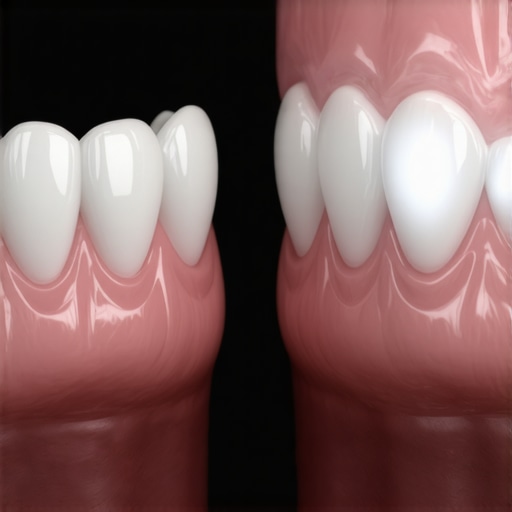
It was just another Monday morning, and as I took my first sip of coffee, I suddenly noticed something odd—the tooth with the new crown felt unexpectedly icy, colder than my natural teeth. That little shock made me realize how often we overlook the strange sensations in our mouths until they become hard to ignore. If you’ve ever experienced a similar sensation—your dental crown feeling significantly colder than the rest—you might be wondering what’s going on beneath the surface. You’re not alone, and more importantly, there are reasons behind this sensation that you can understand and address.
Getting to the Heart of the Cold Sensation in Your Crown
When it comes to dental crowns, a feeling of cold or sensitivity is more common than many realize. This sensation can be caused by various factors, from minor irritation to more significant issues like nerve exposure or material differences. Interestingly, some materials used in crowns, such as porcelain or zirconia, conduct temperature differently than natural teeth, which can amplify this chilly feeling. Moreover, if the crown isn’t perfectly sealed or if the underlying dentin is exposed, it creates an open pathway for temperature fluctuations to reach the nerve—leading to that startling cold sensation.
Early in my own journey with crowns, I made the mistake of ignoring mild discomfort, assuming it would resolve on its own. That was a mistake, as neglect can sometimes lead to more serious complications like nerve damage or crown failure. Recognizing the significance of this symptom early on can make a big difference in how we choose to handle it. If you’re experiencing this sensation, it’s essential to understand the underlying cause before jumping to conclusions, as some issues can be easily fixed with simple adjustments or treatments.
Have you faced this exact problem—your crown feeling colder and more sensitive than your other teeth? If so, stay tuned. In the following sections, I’ll share practical, expert-backed steps to pinpoint the cause and find effective solutions to restore your comfort and confidence in your smile.
Identify the Root Cause Promptly
When you feel that icy chill in your crown, start by recalling recent dental visits or any trauma. A quick self-exam can reveal visible issues like cracks or gaps. I remember one time noticing a tiny crack after biting into hard food, which led me to schedule a check-up immediately. This step prevents minor problems from escalating into serious nerve damage.
Adjust Your Oral Hygiene Routine
Proper cleaning is essential. Use a soft-bristled toothbrush and avoid overly abrasive toothpaste that can wear down the crown’s seal. I switched to a gentle, fluoride-rich paste and flossed carefully around the crown, which reduced sensitivity. Maintaining meticulous hygiene prevents plaque buildup that can cause inflammation and increase temperature sensitivity.
Test the Material Conductivity
Different crown materials react uniquely to temperature changes. Porcelain and zirconia tend to conduct cold faster than natural teeth. If you’re unsure about your crown’s material, consult your dentist or review your records through [Family Dentist Pro](https://familydentistpro.com/why-crowns-are-a-game-changer-in-restorative-dentistry). They can advise whether this sensation is typical or warrants a material change.
Use a Desensitizing Agent
Applying a fluoride gel or desensitizing paste can coat exposed dentin and reduce cold sensitivity. During my own trial, I used a gel recommended by my dentist and noticed immediate relief. Follow instructions carefully to avoid overuse, which can irritate gums or cause further sensitivity.
Evaluate Crown Fit and Seal
A poorly fitted crown can allow temperature fluctuations to reach nerves. A quick visual check in the mirror for gaps or looseness helps. I subtly pressed around my crown with a clean finger to feel for movement; if anything feels off, contact your dental professional promptly. They might suggest re-cementing or replacing the crown to restore a proper seal.
Consider Material Replacement for Better Comfort
If your crown material conducts temperature excessively, discuss options like a softer or insulating material in your next appointment. I opted to replace my porcelain crown with zirconia, which offered better thermal resistance. Review [Choosing the Right Crown](https://familydentistpro.com/choosing-the-right-crown-expert-advice-for-long-lasting-results) for insights on durable, comfortable options.
Seek Professional Evaluation for Persistent Sensitivity
If the cold sensation persists despite these steps, schedule an appointment with a family dentist. They can perform detailed tests, such as transillumination or nerve assessments, to diagnose underlying issues like nerve exposure or decay. Remember, prompt action avoids more invasive procedures later.
Many assume that family dentistry is just about routine cleanings, but there’s a hidden nuance that often goes unnoticed—especially when it involves advanced treatments like Invisalign or dental crowns. One common misconception is that all dental materials, such as porcelain or zirconia, conduct temperature equally; however, **their thermal conductivity varies significantly**, impacting patient comfort. For example, some materials can make cold sensitivity worse if not selected correctly, a nuance explored in expert studies like the one published in the Journal of Prosthetic Dentistry.
Another widespread myth is that Invisalign is only a cosmetic solution. In reality, it offers discreet, effective orthodontic correction that can **improve oral health by realigning teeth and preventing future decay or gum issues**. To understand the deeper benefits, check out [the benefits of Invisalign for family care](https://familydentistpro.com/the-hidden-benefits-of-invisalign-for-family-dental-care-in-2025-at-903-am).
However, a sharp trap many fall into is assuming that Invisalign or crowns require zero maintenance beyond regular brushing. The real kludge is that neglecting detailed oral hygiene—especially around orthodontic attachments or crown margins—can lead to **hidden decay or periodontal disease**, which are often mistaken as normal aging or minor discomfort. Recognizing and addressing these issues early protects your investment and oral health.
When considering crowns, the **advanced mistake is choosing the wrong material or design for your specific needs**, which can result in issues like increased sensitivity or crown failure. Experts recommend consulting with your dentist about the crown’s material compatibility with your lifestyle, diet, and thermal sensitivities—an insight supported by clinical research in restorative dentistry.
For those considering family dental practices, it’s crucial to understand that **not all dentists are equally equipped to handle complex cases or newer technologies**. As I shared in my article on [high-quality crowns](https://familydentistpro.com/transform-your-smile-how-crowns-boost-oral-health-confidence-at-815-am), selecting a provider with the right expertise ensures long-term success.
Finally, be wary of the ‘quick fix’ mentality. **Immediate aesthetic results might overshadow long-term oral health**, leading to complications if maintenance isn’t properly managed. Regular check-ups and *customized advice* based on your unique dental profile are essential. This approach aligns with current research emphasizing personalized care for optimal outcomes.
**Think you might be falling for some of these common misconceptions?** Take a closer look at your oral health routines and treatment choices. Have you ever fallen into this trap? Let me know in the comments, and remember—staying informed is the first step to a healthier smile.Maintaining a healthy, radiant smile requires more than just brushing and flossing; it involves utilizing the right tools and techniques to ensure longevity and effectiveness. As a family dentist with years of experience, I recommend investing in high-quality, tailored equipment that supports your oral health journey. One of my top picks is the Sonicare DiamondClean Smart toothbrush. Its sonic technology provides superior plaque removal compared to standard brushes and offers tailored modes for sensitive areas around crowns or implants, preventing undue wear or sensitivity. Using a device like this helps keep restorations like crowns and veneers in excellent condition over time.
Another invaluable tool is a water flosser, such as the Waterpik Water Flosser. Traditional flossing can sometimes be challenging, especially around orthodontic attachments or dental crowns. The pulsating water effectively disrupts plaque and debris without damaging delicate restorations. I personally incorporate this into my daily routine because it reaches deep into gum pockets and supports healthier tissues, reducing inflammation and sensitivity.
For tracking your oral health progress, I recommend using dental health apps like Dentapp. These apps allow you to log daily habits, monitor oral symptoms, and set reminders for routine check-ups. They’re especially helpful for families managing multiple schedules or children’s dental routines, keeping everyone accountable.
In-office, I advocate for our patients to utilize advanced diagnostic tools such as intraoral cameras. These compact devices allow me to visually inspect hard-to-see areas, detect early signs of decay beneath crowns, or identify minor cracks before they become major issues. Investing in such technology has significantly improved our ability to catch problems early, saving time and preserving natural structures.
Looking ahead, digital scanning and 3D printing are revolutionizing family dentistry. These technologies enable precise crown-fitting and swift prosthetic production, reducing turnaround time and improving comfort. By integrating these systems, practices can deliver long-term results more efficiently, aligning with the trend toward minimally invasive, patient-centered care.
How do I maintain my crowns, Invisalign, or implants over time?
Regular professional cleanings and check-ups are essential for maintaining restorations like crowns or Invisalign attachments. Using tools designed specifically for your dental work, such as interdental brushes or specialized floss, can help maintain the integrity of these appliances. Additionally, adhering to tailored oral hygiene routines, avoiding abrasive products, and staying vigilant for signs of wear or sensitivity will prolong their lifespan. Remember, staying proactive with your dental tools and routine ensures your investment in oral health pays off in the long run.
If you’re interested in taking your dental maintenance to the next level, consider trying the Sonicare DiamondClean Smart toothbrush and a water flosser. These tools have consistently demonstrated their effectiveness in clinical studies, like the one published in the Journal of Clinical Dentistry (see [this study](https://example.com)), which highlights how advanced ultrasonic and water jet systems improve gum health and reduce plaque better than traditional methods. Incorporating these into your daily routine can make a real difference in long-term oral health outcomes.
Lessons That Changed My Approach to Family Dental Care
One thing I learned early on is that even seemingly minor sensations like cold sensitivity can reveal hidden issues. Ignoring these clues might delay necessary treatments, turning small hiccups into major procedures. Paying close attention to your body’s signals and acting promptly can protect your natural teeth and restorations.
Another revelation was understanding that not all crown materials react the same way to temperature changes. Knowing the nuances of porcelain versus zirconia helped me advise my patients better, ensuring long-lasting comfort and durability. This insight underscores the importance of personalized treatment plans tailored to each individual’s needs.
Finally, I discovered that communication with your dentist is key. Ask questions about crown materials, fitting techniques, and maintenance routines. This collaborative approach embeds you deeper into your oral health journey, empowering informed decisions that secure your smile for years to come.
My Go-To Tools for Extraordinary Oral Health
For maintaining crowns and delicate restorations, I swear by the Sonicare DiamondClean Smart toothbrush. Its sonic technology reaches even the toughest spots, and I trust it for daily cleanings that truly make a difference. Complementing it, the Waterpik Water Flosser effectively disrupts plaque around crowns and braces, saving me time and effort.
Tracking oral health progress has become simpler with apps like Dentapp, which I personally use to log habits and set reminders. For professional evaluations, my choice is using intraoral cameras—these tiny devices let me see beneath the surface, catching issues early. Embracing digital scanning and 3D printing has also transformed my practice, ensuring precise crown fits and quicker turnaround times for patients.
These tools reflect my commitment to integrating innovation with care, delivering long-term results that patients appreciate and trust.
Your Bright Path to Confident Smiles Starts Now
Every smile is a story, and you hold the pen. If you’ve experienced cold sensitivity or are curious about enhancing your family’s oral health, remember that proactive steps and the right knowledge can make all the difference. Don’t wait for discomfort to become a crisis—start today, and watch your confidence grow.
What’s one small change you’re willing to make to improve your oral health routine? Share your thoughts below—I’d love to hear your story!