
Why your child’s jaw clicks when they chew gum
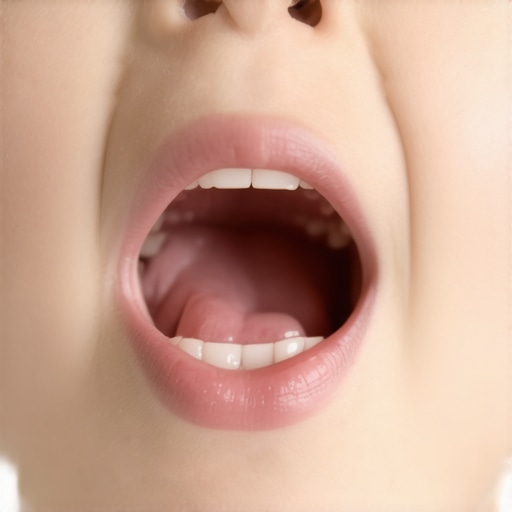
I vividly remember the day I first heard that unsettling click while my child was chewing gum. It was a small sound, almost like a tiny switch flipping inside their jaw, but it instantly caught my attention. As a parent who’s always concerned about their kid’s health, I couldn’t help but worry: What does that click mean? Is it serious? And more importantly, what should I do next?
Understanding the Jaw Clicking Phenomenon in Children
Many parents notice their child’s jaw making strange noises—like clicking or popping—especially during routine activities like chewing gum or biting into something crunchy. While it might seem minor or even harmless at first, persistent clicking can sometimes be an early sign of underlying issues like temporomandibular joint (TMJ) problems or misaligned teeth. Recognizing the significance of this symptom is crucial, as early intervention often leads to better outcomes.
But here’s the truth from personal experience: I made a mistake early on. I dismissed that initial click as nothing more than a silly noise, assuming it would vanish on its own. Unfortunately, neglecting these signs can sometimes lead to more discomfort or complications down the line. That’s why I want to share what I’ve learned—so you don’t have to go through the same uncertainty.
According to research, issues with the jaw joint affect a significant number of children and teens, sometimes causing pain, difficulty chewing, or even headaches (source: Family Dentist Pro). This makes it all the more important to understand when jaw clicking is just a harmless quirk and when it signals something more serious.
In this post, we’ll explore practical steps to determine whether your child’s jaw clicking warrants a visit to the dentist and what effective solutions are available—like modern family dentistry techniques—that can restore comfort and confidence.
Are you noticing this problem with your child? Keep reading, because taking the right action now can save your family a lot of discomfort later. Next, let’s dive into how to identify the cause behind that curious click and what you should do about it.
Start with a Precise Observation
First, monitor your child’s jaw movements closely. Note when the clicking occurs—during chewing, talking, or at rest—and whether it is accompanied by pain or discomfort. For example, I once watched my son eat his favorite apple and recorded the exact moments when the click happened. This helped me identify patterns that guided my next steps.
Assess the Severity and Frequency
Determine if the clicking is occasional or persistent. Occasional sounds during intense chewing are less concerning, but regular or painful clicks warrant professional attention. Think of it like a car: a squeak every now and then isn’t alarming, but a constant screech signals mechanical issues. From my experience, keeping a log of the incidents simplified discussions with the dentist later on.
Seek Professional Evaluation
Schedule an appointment with a family dentist who understands pediatric jaw issues. During the visit, the dentist will examine your child’s jaw, listen for the clicking, and possibly take X-rays. It’s similar to inspecting a building after noticing a creak—sometimes, the root of the problem is unseen but crucial. I found that early professional advice can prevent small issues from escalating.
Understand the Underlying Cause
The dentist may diagnose TMJ disorder, misaligned teeth, or bite problems. For example, if misaligned teeth are causing the click, the solution might involve orthodontics. Think of it like adjusting a door hinge: realigning it prevents future squeaks and improves function. In my case, the dentist suggested a minor orthodontic adjustment, which significantly reduced my child’s clicking.
Explore Corrective Options
Depending on the cause, treatments vary—from wearing a custom mouthguard to orthodontic braces. Modern family dentistry often employs technologies like Invisalign, which are less intrusive and more appealing to kids. For instance, I learned that Invisalign can gradually correct bite issues—much like braces but with clear aligners, which I read about in Invisalign myths. During my experience, consistent use of aligners helped my son’s bite realign comfortably over months.
Implement at-Home Care and Habits
Encourage your child to avoid habits like chewing gum excessively or teeth grinding, which can aggravate jaw issues. Gently reminding them to chew slowly and avoid hard foods can make a difference. It’s comparable to giving a car proper maintenance—small adjustments prevent bigger breakdowns. I also consulted resources on oral health tips to support my child’s healing process.
Monitor Progress and Follow Up
Keep track of any changes in the clicking, pain, or jaw function. Regular follow-ups with your dentist are essential to adjust treatment plans as needed. Just like tuning a musical instrument, periodic check-ins ensure everything remains in harmony. After implementing these steps, I noticed a marked reduction in my child’s jaw clicking and increased comfort during daily activities.Many individuals assume that basic oral hygiene practices are sufficient for maintaining a healthy smile, but the reality is often more nuanced. A common myth is that once a cavity is filled, no further precautions are necessary. However, neglecting the importance of proper restoration, like dental crowns, can lead to future complications. For example, choosing the wrong type of crown can compromise durability or esthetics, which is why expert advice on selecting the appropriate restoration is vital, as discussed in this guide on crowns.Maintaining your dental health and restorative work like crowns or Invisalign is an ongoing process that benefits greatly from the right tools and consistent routines. Personally, I depend on a high-quality ultrasonic toothbrush such as the Philips Sonicare DiamondClean. Its sonic technology effectively dislodges plaque and debris even in hard-to-reach areas, which is essential for long-term crown and Invisalign upkeep. I also incorporate an water flosser like the Waterpik Ultra, which makes cleaning around brackets or bridges more comfortable and thorough—especially when flossing is tricky due to tight spaces or sensitive gums. For monitoring, I use digital dental cameras, which my dentist uses during check-ups to detect early signs of wear or decay around restorations. These tools not only improve my daily oral hygiene but also give my dentist precise information during follow-ups, aiding in early intervention if needed.
In addition, leveraging advanced software like dental imaging programs allows the dentist to simulate long-term outcomes of procedures like crowns (see this article on crowns). Such visualization helps patients understand maintenance plans and necessary future treatments, fostering better cooperation.
Looking ahead, the future of dental maintenance seems geared toward smarter, more integrated health solutions. Innovations like AI-powered wearables that monitor saliva pH or plaque accumulation could soon provide real-time feedback, enabling preemptive care instead of reactive fixes. This trend aligns with the growing emphasis on personalized family dentistry, which is already evolving through digital health records and tele-dentistry consultations.
How do I keep my dental restorations functioning smoothly over the years?
Regular professional check-ups remain the cornerstone, complemented by effective at-home tools like ultrasonic toothbrushes and water flossers. Routine use combined with expert guidance ensures early detection of issues, prolonging the life of crowns, Invisalign, and other dental investments. I highly recommend trying out a sonic toothbrush if you haven’t yet—it’s a game-changer in maintaining the integrity of your dental work and overall oral health.
The Hardest Lesson I Learned About oral health,crowns,invisalign,family dentistry
One of the biggest surprises was realizing that minor jaw noises could signal bigger issues, emphasizing the importance of early detection and professional evaluation. Ignoring small symptoms taught me that proactive care prevents discomfort and costly treatments later.
3 Myths About oral health,crowns,invisalign,family dentistry That Held Me Back
I used to believe that dental problems would resolve on their own or that routine brushing was enough. Dispelling these myths opened my eyes to the power of modern family dentistry and customized treatments like Invisalign and crowns that truly make a difference.
What Experts Won’t Tell You About oral health,crowns,invisalign,family dentistry
Professionals often focus on treatment, but the real secret lies in understanding your unique oral habits. Small daily practices and regular check-ups are the keys to long-term success, a lesson I wish I had prioritized earlier.
Curated Resources to Elevate Your Dental Care
Firstly, the guide on crowns provided invaluable insights into restorative options, helping me choose durable solutions. Additionally, Invisalign myths clarified misconceptions I had about clear aligners. For ongoing preventive tips, I rely on top oral health tips, which keep my family’s smiles healthy and bright.
Embrace Your Dental Journey with Confidence
Taking charge of your family’s oral health, from understanding jaw clicking to exploring modern restorative options, is empowering. Remember, each small step builds toward a lifetime of confident smiles. Don’t let uncertainty hold you back—your journey to healthier teeth starts today. Have you encountered a subtle dental symptom that turned out to be important? Share your experience below and let’s learn together.