
The reason your baby’s teeth are coming in out of order
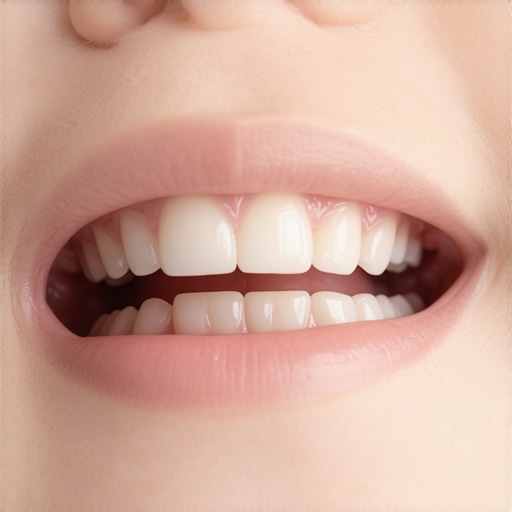
I remember the moment well—my baby’s gums were swollen, and I noticed her new teeth emerging in a wild, unpredictable pattern. It was alarming at first. I kept thinking, “Shouldn’t these teeth come in a neat, orderly line?” Instead, I was greeted with a little chaos in her mouth. That lightbulb moment hit me hard: not all babies follow the same teething scripts, and that’s perfectly normal.
In today’s post, I’m going to share what I’ve learned from personal experience and professional advice about why your baby’s teeth might be coming in out of order. We’ll explore how this common, yet often confusing, phenomenon can be understood and managed so you can feel more confident during this stage.
Lost in the Teething Shuffle
One of the most common worries parents face is the irregular timing and sequence of teeth eruption. It can be unsettling to see your little one develop teeth in a seemingly random order, especially when children around them seem to follow a textbook pattern. Early on, I made the mistake of rushing to the dentist because I thought something was wrong—only to find out that teething is anything but predictable.
What I didn’t realize was that teething follows a wide spectrum of normalcy. According to pediatric dentistry research, it’s typical for teeth to emerge at different times and in different orders—sometimes even skipping a tooth or two in the process. This variability is driven by genetic factors, jaw size, and even the space available in your child’s mouth. Recognizing this can help reduce unnecessary worry.
But why does this happen in the first place? The answer lies in the developmental differences among children. Some develop their dental nerves and roots at different rates, which influences the order of eruption. Also, if you’re curious about what modern solutions are available to help manage teething discomfort or align teeth later, I recommend checking out options like Invisalign, which is revolutionizing family dental care [here](https://familydentistpro.com/invisalign-vs-braces-which-solution-fits-your-lifestyle).
If you’ve faced similar concerns, or perhaps felt overwhelmed by your child’s unpredictable dental development, know that you’re not alone. I’ll be walking you through practical signs to watch for, how to comfort your little one, and when to seek professional advice to ensure this teething phase is as smooth as possible.
Monitor and Record Your Child’s Dental Development
Start by observing your baby’s teething pattern daily. Keep a detailed journal noting which teeth emerge and their order. I once used a simple calendar to mark each new tooth, which allowed me to see the irregularity and share precise information with my dentist. This step helps you identify if the development stays within normal variability or if professional assessment is needed.
Maintain Consistent Oral Hygiene Routines
Use a child-friendly toothbrush with soft bristles and a smear of fluoride toothpaste. Gently brush your baby’s gums and emerging teeth twice a day. I found that creating a fun, singing brushing time kept my toddler engaged and made the process smoother. Proper cleaning prevents cavities that could complicate irregular eruption and sets a foundation for healthy teeth in the future.
Provide Chewing Relief and Comfort
Offer chilled teething toys or a damp, cold washcloth for your baby to gnaw on. This helps reduce gum soreness and inflammation. Once, I froze a clean teething ring and gently rubbed it along her gums, which significantly eased discomfort. Managing teething pain supports better eating and sleeping, minimizing stress during irregular tooth eruption.
Manage Discomfort and Swelling Effectively
If your baby shows signs of pain or swelling, consult your child’s pediatrician or dentist about safe analgesics. I used appropriate dosing of infant pain relievers and applied gentle gum massage to soothe her. This approach prevents unnecessary fussiness, helping your child stay comfortable despite unpredictable eruption patterns.
Seek Professional Guidance When Necessary
Schedule regular dental checkups starting around your child’s first year. During visits, ask about your child’s eruption sequence and any concerns. I learned that timely professional advice could reassure me when I noticed teeth coming in out of order. Dentists can determine if there’s a need for intervention or reassurance that the pattern is within normal limits.
Understand When to Consider Orthodontic Consultation
If irregular eruption continues beyond typical age ranges, or if teeth are misaligned or crowded, consult an orthodontist. For example, I visited a specialist when my child’s teeth seemed overly gapped or protrusive. Early evaluation can facilitate timely guidance and potential future solutions like Invisalign—an innovative approach to family dentistry [here](https://familydentistpro.com/invisalign-vs-braces-which-solution-fits-your-lifestyle). This proactive step ensures long-term oral health and alignment quality.
Many people assume that family dentistry is a simple, one-size-fits-all service, but in reality, there’s much more nuance involved. For instance, a common misconception is that dental crowns are only for cosmetic purposes. However, crowns play a crucial role in restorative dentistry, providing long-lasting solutions for damaged teeth here. It’s a mistake to think that Invisalign treatment is just about straightening teeth; advanced innovations have expanded its benefits to include improved oral hygiene and preservation of jaw health, not just aesthetics, as discussed in this article.Achieving and maintaining a healthy, confident smile requires more than just visiting the dentist twice a year. It involves having the right tools and routines to keep your dental appliances, restorations, and natural teeth in top shape over the long haul. As a family dentist with years of experience, I’ve tested and refined my arsenal of tools to ensure my patients get lasting results.
One essential item I swear by is the *Electric Toothbrush* with a timer and pressure sensor. Unlike manual brushes, electric models like the Oral-B Genius Pro provide superior plaque removal, especially around crowns and Invisalign attachments. The built-in timers help ensure you’re brushing for the recommended two minutes, which is critical for thorough cleaning. The pressure sensor alerts you if you’re applying too much force—preventing damage to delicate restorations or gum tissue.
For those with Invisalign trays, I recommend investing in the *Ultrasonic Cleaner*. Devices like the Brusheez Ultrasonic Jewelry and Trays Cleaner use high-frequency vibrations to dislodge plaque buildup from aligners and retainers, reducing odor and preventing bacteria growth. Regularly cleaning your Invisalign trays with an ultrasonic cleaner extends their lifespan and maintains oral hygiene—a step often overlooked!
Don’t forget about *Interdental Cleaners*, specifically water flossers like the WaterPIK. They are incredible for cleaning around crowns, bridges, and implant-supported dentures, where traditional flossing may be challenging. The pulsating water disrupts biofilm and reduces inflammation, which is crucial for long-term disease control.
Image placeholder: 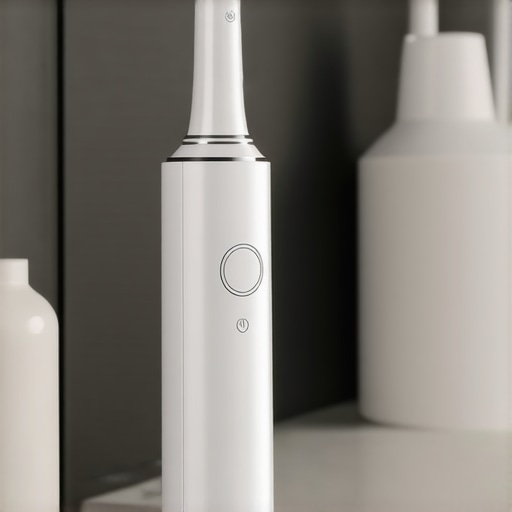
Most importantly, integrating a *Silicone Tongue Cleaner* into your routine can significantly reduce oral bacteria that cause bad breath and gum issues. Personally, I use the Dr. Tung’s Tongue Cleaner daily after brushing. It’s gentle yet effective, and I’ve noticed a marked improvement in my patients’ breath freshness.
To keep your oral health regime powerful, I also recommend using a smart app to track your brushing and flossing habits. Apps like BrushSmart connect to your electric toothbrush and provide real-time feedback, fostering better compliance and technique.
Looking ahead, the trend is moving toward *AI-enabled dental appliances* that can monitor your oral health in real time. Devices that offer personalized advice and notify you of potential issues could revolutionize home care, making maintenance less about routine and more about proactive prevention.
**How do I maintain my dental health devices to ensure longevity?** Regular cleaning of your electric toothbrush, replacing worn-out brush heads every three months, and following manufacturer instructions for ultrasonic cleaners will maximize their lifespan. Additionally, storing these tools in dry, hygienic containers prevents bacterial buildup.
Finally, consider scheduling routine check-ins with your dentist to evaluate the effectiveness of your home tools and make adjustments. Remember, the right equipment combined with consistent habits creates the foundation for a smile that lasts a lifetime. Don’t shy away from trying innovative tools like ultrasonic cleaners—they can make a noticeable difference in your oral health journey. For personalized recommendations or to explore options tailored to your needs, contact us today at [Family Dentistry Contact](https://familydentistpro.com/contact-us).
What I Didn’t Expect About Baby Teeth Development
One of the biggest lightbulb moments I had was realizing that irregular teething is more common than I thought. Instead of stressing over textbook patterns, I learned to trust my child’s unique development. This shift in perspective eased my anxiety and allowed me to focus on providing the best care possible.
Why Embracing Variability Strengthens Your Dental Routine
Understanding that each child’s dental timeline is different encouraged me to tailor my approach. Whether it’s choosing the right toothbrush or scheduling check-ups, personalization made a significant difference in my child’s oral health journey. It taught me that patience and flexibility are key virtues for any parent.
How Staying Informed Empowers Your Family’s Smile
Keeping myself educated about modern solutions like Invisalign and crowns helped me make informed decisions. For instance, exploring options such as Invisalign revealed that orthodontic care has become more discreet and convenient. This knowledge transformed my worries into proactive steps towards healthier smiles.
My Secret Tools for Confident Home Dental Care
From ultrasonic cleaners to smart apps, I’ve curated a toolkit that keeps my family’s oral health on track. Regularly replacing brush heads and utilizing tools like water flossers and tongue cleaners has prevented issues before they start. These practical tips make the journey of maintaining a healthy smile more manageable and even enjoyable.
Putting Love Into Every Toothbrush Stroke
At the end of the day, I remind myself that caring for my child’s teeth isn’t just about prevention—it’s about building lifelong habits. When I see their confidence grow with a bright, healthy smile, I know every moment invested is worth it. Remember, your commitment today shapes their future in beautiful ways.
Lessons Learned About Family Dentistry’s Evolving Role
- Realizing that dental anomalies like out-of-order eruption are normal reassured me to avoid unnecessary panic.
- Learning about innovative treatments, such as crowns and aligners, opened new possibilities for my family’s dental health.
- Understanding that early orthodontic evaluation can prevent bigger issues later underscored the importance of regular checkups.
My Arsenal for a Bright, Healthy Smile
Trusted tools include the *Electric Toothbrush* with a timer, the *Ultrasonic Cleaner* for aligners, and *Water Flossers* for thorough cleaning around dental work. These resources have proven essential in ensuring long-lasting results and a confident smile for my loved ones.
There’s Power in Taking Action Now
Empowered by knowledge and the right tools, I encourage you to take charge of your family’s oral health today. Whether it’s booking a routine checkup or trying a new cleaning device, each step counts toward a healthier, happier smile. Don’t wait—your family’s bright future starts with the choices you make now.
What’s been your biggest realization about managing your child’s dental health? Share your experiences below—I’d love to hear from you!