
Why your back teeth ache when you chew with your Invisalign in
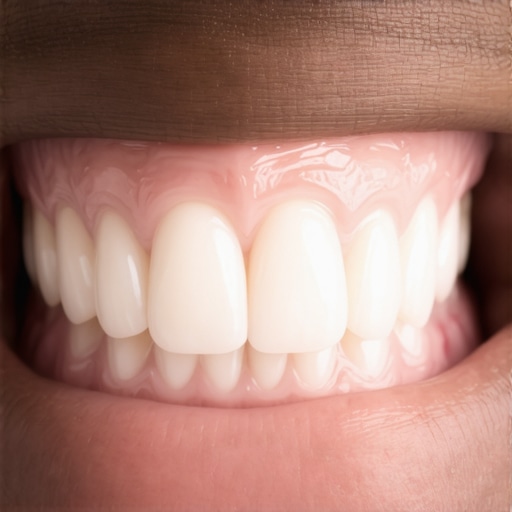
I remember the exact moment I realized something was wrong. I was mid-bite, enjoying my lunch when suddenly, a sharp pain shot through my back teeth. Confused, I paused. Why now? I was diligent with my Invisalign trays, following all the advice, yet this discomfort hit unexpectedly. That lightbulb moment made me dive into understanding the root cause of this peculiar ache—turns out, it’s more common than you’d think among Invisalign wearers.
Struggling with Back Tooth Discomfort While Using Invisalign?
If you’re reading this and nodding along, you’re not alone. Many people experience this strange sensation, feeling like their back teeth are sensitive, achy, or even downright painful when they chew—despite wearing Invisalign. The good news? Often, it’s a manageable issue rooted in how your aligners interact with your teeth and bite. Today, I’ll share what I discovered through personal experience and expert insights, aiming to guide you toward relief and better oral health.
Could This Discomfort Actually Be a Sign of a Bigger Problem?
Initially, I made the mistake of dismissing the pain as just part of the process. But ignoring persistent discomfort can lead to more serious issues, like dental sensitivity or even damage. Knowing what’s normal versus what warrants professional attention can save your smile. For example, I learned that some discomfort is common when your teeth are shifting, but sharp or prolonged pain should never be ignored—consulting your dentist is always the safest bet. Curious about other Invisalign myths? Check out this article for more insights.
Understanding the cause of this pain is crucial. Is it just your teeth adjusting, or could it be due to a misfit of the aligners, uneven bite, or even underlying dental issues? Let’s journey into what might be causing your back teeth to ache and, more importantly, what you can do about it. Keep reading, and I promise we’ll explore practical solutions together!
,
Inspect Your Aligners and Bite Alignment
Begin by examining your Invisalign trays for any cracks, warping, or debris that might cause irritation. Remember, just like a mismatched puzzle piece creates gaps, misfit aligners can put uneven pressure on your back teeth, leading to discomfort. Take out your trays and evaluate their fit by gently pressing around the edges. If anything looks off, schedule an appointment with your provider to assess whether the aligners need a refit or replacement.
Take a Moment to Re-Align Your Trays
Sometimes, discomfort stems from trays not seating properly. During my encounter, I noticed my trays had shifted slightly, causing pressure on my molars. I carefully reseated them, pressing down gently until they clicked into place. If the trays still don’t seat well, do not force them; instead, reach out to your dentist or orthodontist via their contact page. Proper fit prevents unnecessary stress on your back teeth.
Manage Your Bite and Avoid Overloading
Pay attention to how you chew. If you’re clenching or biting down too hard, you may be overstressing your back teeth, especially if your aligners are new or shifting. Think of your bite like a doorway—it should open smoothly without forcing or jamming. To prevent further discomfort, chew slowly and evenly on both sides. For persistent issues, consult with a family dentistry expert who can evaluate your bite alignment and suggest adjustments or appliances to support a healthy jaw function. Visit these tips for maintaining good bite health.
Adjust Your Dental Hygiene Routine
Sometimes, what feels like pain could be linked to inflammation from plaque or bacteria buildup. Use a soft-bristled toothbrush and avoid aggressive brushing that might irritate sensitive areas. Incorporate gentle flossing around your molars, ensuring no food particles are trapped that could cause decay or discomfort. A thorough cleaning can alleviate some pressure and promote healing, especially if an infection or gum irritation is causing your aches.
Consider Applying Reassuring Remedies
For immediate relief, applying a cold compress to your cheek can reduce inflammation and numb the area of discomfort. Over-the-counter pain relievers can also help, but never exceed recommended doses. If the pain persists beyond a few days, it’s a signal to consult with your family dentistry professional. Regular check-ups can diagnose underlying issues like cavities or early signs of decay, which might be mistaken for Invisalign-related discomfort. To explore how crowns or other restorations might assist in managing such problems, visit this comprehensive guide.
Visit Your Dentist for a Precise Diagnosis
If your discomfort doesn’t improve with these measures or worsens, schedule an appointment promptly. A dentist can perform a detailed examination, including X-rays, to identify issues such as misaligned teeth, tooth fractures, or cavities behind the pain. Remember, early intervention prevents complications like infections or damage to your dental structures. You can easily book your care at our contact page.
Addressing back tooth discomfort during Invisalign treatment is about systematic evaluation and targeted action. By inspecting your trays, managing your bite, maintaining gentle hygiene, and seeking professional advice when needed, you empower yourself to navigate discomfort effectively and keep your smile healthy and bright.
While it’s common to think that brushing and flossing are enough to maintain a healthy smile, there are subtle pitfalls and misunderstandings that many overlook—especially regarding crowns, Invisalign, and family dentistry. One misconception is that all dental restorations are permanent and require no extra care; however, the truth is that crowns, for example, need regular evaluation to prevent secondary issues like decay underneath the restoration. Many believe Invisalign straightens teeth without any risks, yet some fail to realize the importance of monitoring their bite and aligner fit, which can lead to discomfort or misalignment if neglected. Advanced techniques, such as digital impressions and 3D imaging, have revolutionized family dentistry, but their benefits are often underestimated, leading patients to stick with outdated and less accurate methods. Interestingly, a common trap is assuming that dental emergencies only happen unexpectedly; in reality, minor issues like slight chipping or sensitivity can escalate if missed, emphasizing the need for routine check-ups. For those seeking long-term success with crowns or Invisalign, understanding the nuances of material durability and how different treatments interact with individual oral anatomy can make all the difference. According to leading experts, neglecting these subtle aspects can significantly compromise outcomes and costs, especially if complications arise after initial treatment. Therefore, educating yourself on these hidden details empowers you to engage proactively with your dentist, ensuring treatments like crowns or aligners serve their intended purpose effectively. Would you like to explore more about how modern techniques can enhance your family’s oral health? Visit this article to learn about the latest innovations or book a comprehensive evaluation through our contact page. Remember, understanding these nuances isn’t just for dental professionals; it’s a vital part of maintaining a confident, healthy smile for life. Have you ever fallen into this trap? Let me know in the comments.
Keep Your Smile in Top Shape with the Right Tools
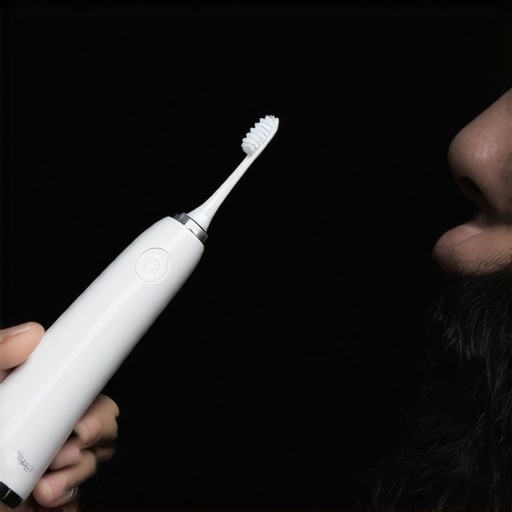
Maintaining your oral health over the years requires more than just good brushing habits; it demands selecting the right equipment and adopting effective methods. Personally, I rely heavily on an electric toothbrush with pressure sensors, like the Philips Sonicare DiamondClean, because it not only provides a thorough clean but also alerts me if I brush too hard, preventing gum recession and enamel erosion. Additionally, I use a water flosser such as the Waterpik Aquarius—a game-changer for reaching those hard-to-access areas, especially around crowns and orthodontic attachments. These tools have helped me maintain healthy gums and prevent decay underneath restorations.
When it comes to software, I recommend tracking your dental health progress using a mobile app like Dental Monitoring. It allows you to share images with your orthodontist regularly, enabling proactive adjustments—especially valuable for Invisalign users. This digital check-in system minimizes unnecessary visits and keeps you engaged with your long-term oral health journey. In the future, I believe these digital and AI-powered tools will become standard, helping us catch issues early and personalize treatments more precisely.
How do I ensure these tools work effectively over time?
Proper maintenance is key. For your electric toothbrush, replace the brush head every three months or sooner if the bristles fray. Regularly clean your water flosser’s reservoir and nozzles to prevent bacteria buildup. When using apps like Dental Monitoring, ensure your device software is always up-to-date and back up your data periodically. Routine professional checkups are indispensable; your family dentist can assess the integrity of crowns, aligners, and other restorations, making adjustments if needed. Remember, even the best tools can be rendered ineffective without consistent care and professional oversight.
The importance of tailored approaches in family dentistry
Every family member’s oral health needs are unique, making customized plans essential. Modern family dentistry practices now incorporate advanced diagnostics like 3D imaging, which provides detailed insights into your bite and jaw structure—crucial for long-term planning and intervention. These technologies help identify potential problems early, saving you from costly repairs down the line. Regular visits to your dental provider ensure that your tools and methods stay aligned with your evolving needs. To explore more about how these innovations can benefit your family, check out this article.
If you’re ready to take your home routine to the next level, try incorporating a routine check of your aligner fit using a mirror and a gentle pressure test weekly. Doing so helps catch misfits early, preventing unnecessary discomfort and ensuring your treatment stays on track.
What I Wish I Knew Before Starting Invisalign
One of the most valuable lessons I learned was the importance of meticulous tray fitting. Small misalignments or debris can turn into major discomfort, especially in the back teeth. Paying close attention to every detail of your trays can save you unnecessary pain and trips to the dentist.
Another insight was understanding that discomfort is often a sign your treatment is working—but only if it’s within a manageable range. Sharp, persistent pain isn’t normal and should prompt professional advice. Listening to my body helped me catch early issues before they became bigger problems.
The third lesson involved bite management. I realized that clenching or biting too hard could jeopardize my progress and cause soreness. Adopting a gentle, mindful chewing routine made a noticeable difference in my comfort level and treatment outcome.
My Go-To Resources That Actually Made a Difference
For me, this guide on modern family dentistry techniques opened my eyes to how digital tools can improve treatment tracking. It reassured me that staying proactive with regular check-ups and new technologies can prevent discomfort.
I also rely on the Invisalign myths debunked article. It helped me understand what to expect, dispelling unnecessary fears and setting realistic expectations for my journey.
Lastly, this resource on maintaining oral health emphasized the importance of gentle hygiene practices. Proper brushing and flossing complement Invisalign treatment and contribute to overall comfort and health.
Keep Your Smile Bright and Confident
Remember, your oral health journey is personal—embrace every lesson and stay curious about new innovations. If you’ve ever hesitated to start or continue treatment, know that your proactive steps now can lead to a healthier, more confident smile tomorrow. Don’t underestimate the power of small habits and tools that support your progress—your future self will thank you.
Have you faced specific challenges while using Invisalign? Share your experiences below—I’d love to hear what helped you stay motivated and comfortable on your journey to a perfect smile!