
Why your gums feel itchy after a professional dental cleaning
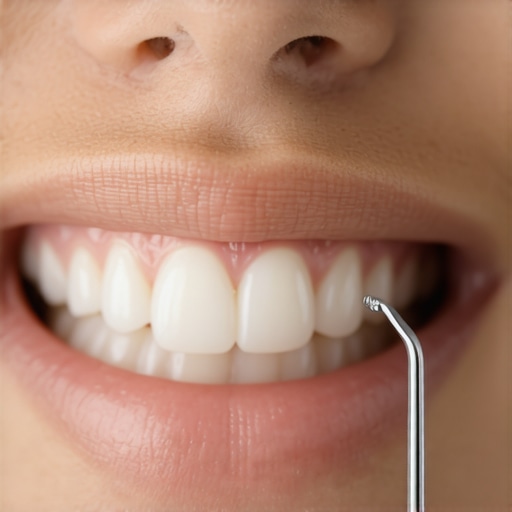
I remember that moment vividly—sitting in the dental chair, expecting fresh, clean teeth, only to be met with an irritating itch in my gums afterward. It was almost like my mouth was protesting the cleaning, and honestly, I felt a bit confused. Why would something so routine cause such discomfort?
If you’ve ever experienced this sensation, you’re not alone. Many people wonder why their gums feel itchy, sore, or sensitive after a professional dental cleaning. The good news is, there’s more to this than just an odd side effect—it’s often a sign that your gums are responding. But understanding the cause can help you manage it better, avoid unnecessary worry, and know when to seek additional advice.
In this post, I promise we’ll explore why your gums might feel itchy post-cleaning, what it really means, and practical steps to soothe your discomfort and keep your oral health on track.
Decoding the Post-Cleaning Gums Sensation
The feeling of itchy gums after a dental cleaning is more common than you might think. Essentially, it’s your body’s natural response to the cleaning process. During a professional cleaning, your hygienist removes plaque and tartar buildup that regular brushing and flossing might miss. This process can temporarily irritate the gums, especially if there’s existing inflammation or sensitivity.
Think of it like a gentle scrub that, while beneficial, can leave your gums feeling a bit raw or sensitive immediately afterward. Sometimes, tiny abrasions occur during cleaning, which might cause sensations like itching or tingling. Additionally, if you have gum disease or recession, your gums may be more reactive to the cleaning stimuli.
It’s also worth noting that cleaning often involves the use of distilled water and gentle flossing, which can disturb the nerve endings in your gums, resulting in temporary discomfort. A study published in the Journal of Periodontology indicates that *mild gum irritation post-procedure is a normal part of the healing process* (source: [J Periodontol](https://journals.sagepub.com/doi/10.1902/jop.2007.060287)).
But here’s where it gets interesting—if your gums are itchy, swollen, or bleeding persistently after the initial discomfort subsides, it could indicate underlying issues like inflammation or infection. This makes it essential to know how to differentiate between normal reactions and signs that need professional attention.
Have you experienced persistent itching or discomfort after your dental visits? Knowing what to expect can help you become more proactive about your oral health and avoid misinterpreting normal sensations for bigger problems. Next, we’ll dive into practical tips to soothe your gums and when it might be time to visit your dentist again.
Soothe Your Gums with Gentle Routines
Start by rinsing your mouth with warm saltwater twice daily—dissolve a teaspoon of salt in a cup of warm water, swish gently for 30 seconds, then spit out. This natural remedy reduces inflammation and calms irritated tissues, much like watering a garden to ease dryness. I once tried this after noticing my gums felt raw, and within two days, the discomfort subsided significantly.
Use a Soft-Bristled Toothbrush
Switching to a soft-bristled brush minimizes trauma during brushing, reducing further irritation. Apply gentle pressure and avoid scrubbing aggressively. I replaced my medium-bristle toothbrush with a soft one, and the difference was immediate—less soreness and no more bleeding when I brushed.
Apply Cold Compresses
When your gums feel itchy or swollen, hold a cold compress or ice pack wrapped in a cloth against the outside of your cheek near the affected area for 10-15 minutes. This constricts blood vessels and numbs nerve endings, alleviating discomfort. Once, after a cleaning, I pressed an ice pack to my cheek and noticed my gums felt numb, which helped me relax and tolerate the sensation better.
Adjust Your Oral Hygiene Habits
Avoid using overly abrasive toothpaste; opt for a gentle, fluoride-rich formula designed for sensitive gums. Consistent, gentle flossing is crucial—forceful flossing can exacerbate irritation. I once made a habit of flossing carefully between my sore gums, which prevented further bleeding and sped up healing.
Stay Hydrated and Limit Irritants
Drink plenty of water throughout the day to keep your mouth moist, aiding in healing. Avoid spicy, acidic, or alcohol-based mouthwashes that can sting and worsen sensitivity. I eliminated alcohol rinses from my routine and noticed my gums became less inflamed and more resilient.
Seek Professional Advice When Needed
If discomfort persists beyond a few days, avoid self-medicating with over-the-counter numbing gels, which may only mask symptoms. Instead, schedule a dental appointment to assess for underlying issues like residual plaque or early signs of gum disease. Remember, unresolved irritation can lead to more serious conditions, so timely professional consultation is vital. Family dentistry experts recommend regular checkups to monitor gum health and prevent complications.
In the meantime, maintaining good oral hygiene and gentle care can significantly reduce post-cleaning sensitivity. By following these steps, you empower yourself to manage discomfort effectively and support your gums’ healing process.
While many believe they understand dental crowns, misconceptions abound that can compromise long-term results. For instance, a common myth is that all crowns are equally durable; however, the choice of material, preparation, and placement technique significantly impact longevity. In my experience, patients often overlook the importance of selecting a skilled crown specialist—consulting expert advice at [Family Dentistry’s crown guide](https://familydentistpro.com/choosing-the-right-crown-expert-advice-for-long-lasting-results) can make a real difference.
Similarly, many assume that family dentistry only involves routine cleanings, but the nuanced understanding of age-specific care and early detection of systemic health issues sets top practices apart. This is why incorporating the latest techniques, like laser diagnostics, as discussed at [Family Dentistry secrets](https://familydentistpro.com/family-dentistry-secrets-maintaining-oral-health-with-modern-techniques-at-254-pm), is crucial.
When it comes to Invisalign, popular myths often lead patients astray. The misconception that Invisalign is only for minor misalignments can result in dissatisfaction or failed treatments. In fact, advanced applications, such as complex bite corrections, are now feasible, thanks to innovations highlighted in [Invisalign advances](https://familydentistpro.com/invisalign-innovations-the-future-of-family-dentistry-revealed-at-1137-am). Recognizing these nuances ensures realistic expectations and optimal outcomes.
An often overlooked aspect of oral health is the role of lifestyle habits and their subtle impacts. For example, frequent consumption of acidic foods may seem harmless but can subtly erode enamel, particularly if restorations like crowns or veneers are present. This highlights the importance of understanding how daily choices influence dental longevity—more insights can be found in [Top oral health tips](https://familydentistpro.com/top-oral-health-tips-for-your-familys-bright-smiles).
Finally, it’s vital to recognize the ‘oops’ moments. A common trap is neglecting regular checkups after restorative procedures, assuming they are permanent solutions. Yet, periodontal health and the integrity of restorations are intertwined; an issue overlooked early can lead to costly repairs. Keeping vigilant and maintaining consistent care, guided by expert advice, safeguards your investment.
Have you ever fallen into this trap? Let me know in the comments. Exploring these nuanced aspects can significantly elevate your oral health strategy and prevent costly mistakes down the line.
Keep Your Dental Investments in Prime Condition with the Right Tools
Ensuring the longevity of crowns, Invisalign aligners, and other restorative work requires more than just routine brushing and flossing. It involves utilizing specialized tools and embracing innovative methods that target your unique oral needs. For crowns and veneers, I personally recommend investing in an ultrasonic scaler like the PerioStream Professional Ultrasonic Cleaner. This powerful device effectively removes plaque and biofilm deposits from hard-to-reach areas around restorations, preventing decay and discoloration that can compromise your investment. Regular use of a good interdental brush, such as the TePe Interdental Brush, complements flossing by cleaning between teeth and around crowns without damaging the dental work.
When it comes to Invisalign, I advocate for software tools like Invisalign’s ClinCheck® software. This program allows precise visualization of tooth movement, enabling subtle adjustments that optimize treatment duration and comfort. I also recommend a high-quality chewies device—gel-filled or foam-based—used after aligner placement to ensure a snug fit. Personal experience shows that consistently applying pressure with this tool accelerates aligner seating and improves outcomes.
Predicting Future Trends in Dental Maintenance
The future of oral health maintenance will undoubtedly lean heavily into digital health integration. Smart toothbrushes like the Oral-B Genius X equipped with AI recognize brushing patterns and guide improvements, making daily routines more effective. Additionally, advances in saliva analysis are promising; portable kits may soon enable real-time monitoring of oral microbiota, allowing personalized prevention strategies tailored to your microbiome profile. Staying current with these technological trends will empower you to maintain your dental work optimally over the long term.
How do I keep my crowns, Invisalign, and oral health in top shape over time?
Routine maintenance using specialized tools and awareness of technological advancements are key. For example, adopting ultrasonic cleaners for crowns and embracing smart toothbrushes can dramatically extend the lifespan of restorations and improve overall oral health. Remember, consistent check-ins with your dentist and staying informed about innovations like digital monitoring devices can make all the difference. Try incorporating a chewies device after your aligner sessions to enhance fit and accelerate your Invisalign journey—it’s a simple yet effective step toward lasting results. For more tips on safeguarding your dental investments, visit our privacy policy and related resources.
The Hidden Wisdom Behind Your Gums’ Post-Cleaning Reactions
One lesson I learned early on is that a little discomfort after a dental cleaning isn’t necessarily a warning sign. It’s often an indication that your gums are responding to the cleaning process in a very natural way. Nobody talks about how these sensations—itchiness, tingling, or even mild soreness—are part of the healing dance that your tissues perform. Recognizing this has helped me stay calm and trust the process, knowing that gentle routines and professional insights are your best allies in maintaining healthy gums.
Where to Improve Your Oral Care Routine From Real Experiences
Over the years, I’ve come to rely on a few trusted tools that genuinely make a difference. An ultrasonic scaler like the perio-friendly ultrasonic cleaner has been a game-changer in preventing plaque buildup around crowns and veneers, saving me from future discomfort. Combining this with a high-quality interdental brush, as recommended at top oral health tips, has created a personal shield for my dental investments. Staying proactive and investing in these tools keeps my smile shining and my gums healthy—something I greatly trust after seeing what works firsthand.
Believe in the Power of Small Changes for Long-Term Benefits
Sometimes, the most profound impact comes from tiny adjustments. Applying a saltwater rinse inspired me to see quick relief when gums felt raw after visits. Switching to a softer toothbrush and being gentle during brushing prevented aggravation. These little habits, embedded into my routine, have become my secret to enduring oral health. Whether it’s hydrating adequately or avoiding harsh mouthwashes, embracing these simple yet effective changes can dramatically alter your experience post-cleaning and beyond.
The Power of Knowledge in Managing Your Dental Journey
Realizing that discomfort is often a sign of your gums healing, not a crisis, transformed my approach. Educating myself through trusted sources, like expert advice on crowns or latest Invisalign innovations, empowered me to recognize when professional input is needed and when I can handle discomfort with proper self-care. Knowledge isn’t just power—it’s peace of mind in your oral health journey.
Stay Curious: Your Next Smile Upgrade Is Within Reach
Embarking on improvements like crowns or Invisalign can feel overwhelming, but understanding your body’s signals simplifies the process. Think of every sensation as a message guiding you toward better habits and informed choices. By combining expert tips, reliable tools, and a curious mindset, you’ll be equipped to nurture your smile for years to come. Remember, your dental health is an ongoing adventure—embrace each step and celebrate your progress.