
How to deal with a chipped tooth hours before a big event
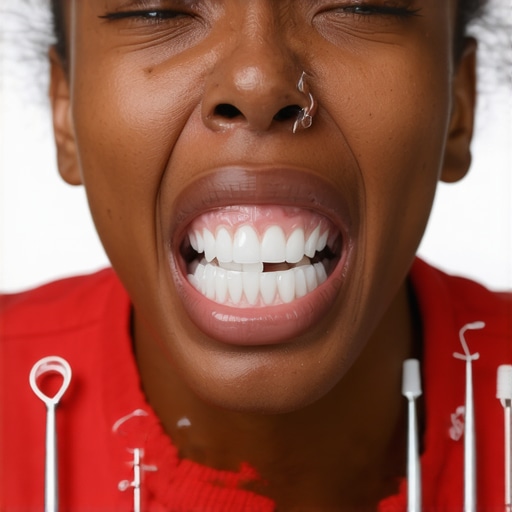
It was the night before my sister’s wedding, and I discovered a small chip on one of my front teeth. Panic set in. Imagine having your biggest moment just around the corner and suddenly facing a dental disaster. That feeling? It’s visceral. We’ve all been there—ready for a milestone, only to be thrown off by a sudden dental mishap. But here’s the truth: you don’t have to let a chipped tooth ruin your special day.
Why a Chipped Tooth at the Last Minute Can Ruin More Than Your Smile
Having a broken tooth hours before an important event can feel like a nightmare. Not only does it threaten your confidence, but it can also cause discomfort and even pain. The good news? With the right knowledge, you can handle this crisis effectively. Today, I promise we’ll demystify quick fixes and small tricks that can help you look and feel your best, even in a pinch.
Is Relying on Emergency Dental Kits Actually Worth It?
Early in my career as a family dentist, I made the mistake of trusting over-the-counter repairs without consulting professionals. I figured a quick glue job could buy me some time. Spoiler alert: it’s a mistake. Using superglue or similar adhesives can actually cause more harm than good. For reliable solutions, it’s better to have a plan in place—preferably one guided by a trusted dental professional. For more on effective emergency strategies, check out this article on common DIY pitfalls.
So, before panic sets in, let’s explore how you can tackle this dental distress with confidence. Whether it’s a minor chip or a more significant fracture, quick action is essential to prevent further damage and buy you some valuable time until you can see your dentist.
As soon as you notice a chip, rinse your mouth with warm water to cleanse the area and remove any debris. If there’s bleeding, apply gentle pressure with a clean cloth. For pain relief, take over-the-counter painkillers like ibuprofen or acetaminophen, but avoid using superglue or similar adhesives, which can cause more harm than good. Remember, seeking professional dental advice is crucial; improperly fixed chips can worsen or lead to infections. When your appointment is scheduled, make sure to inform your dentist of the incident so they can plan an appropriate repair.
If the chip is sharp or causes discomfort, gently cover it with dental wax or sugar-free gum to prevent it from cutting your tongue or cheek. Avoid biting down hard or chewing on that side to prevent further fracture. Using soft foods until your dental visit can reduce stress on the affected tooth. During my own experience, I once gently placed a piece of moldable wax over a small chip on my front tooth right before a family event. This temporary fix kept me comfortable until I could get it professionally restored, ensuring my smile looked natural and confident by the time of the celebration.
Understanding the available solutions like dental crowns or bonding can save you time. Crowns act as a cap, restoring strength and appearance, especially if the chip is large or close to the gum line. Bonding involves applying a tooth-colored resin to rebuild the chipped area and is quicker for minor repairs. For a comprehensive understanding of crown benefits, visit this article. If you’re considering options like Invisalign or other family treatments, checking out Invisalign myths can help you make an informed decision for your overall oral health and confidence.
Post-repair, keep excellent oral hygiene. Brush gently, avoiding the treated area, and floss carefully. Regular dental check-ups will ensure the integrity of the repair, especially if you opt for crowns or veneers. Embracing modern family dentistry techniques, like digital scans and minimally invasive procedures, can enhance both comfort and results. To stay ahead of potential issues, explore family dentistry secrets that focus on prevention and health maintenance.While many believe that Invisalign is just a clear alternative to braces or that crowns are merely cosmetic fixes, the reality runs deeper. A common misconception is that these treatments are quick fixes with minimal maintenance, but in reality, their success relies heavily on nuanced understanding and proper long-term care. For instance, many patients assume that once a crown is placed, they can return to their usual eating habits immediately—yet, a subtle but critical detail is ensuring the crown’s fit and integrity over time, which requires professional oversight and patient diligence. Overlooking this can lead to microleakage, causing decay beneath the restoration, a mistake often overlooked by patients eager for a quick recovery.
Another widespread myth surrounds family dentistry, where some think that because children are resilient, routine check-ups can be skipped or delayed. However, early detection of decay, misalignment, or bite issues is crucial for preventing more invasive treatments later. Modern family dentistry employs advanced diagnostic tools—such as digital X-rays and intraoral cameras—that many still underestimate in their importance. Relying solely on traditional methods can cause practitioners to miss subtler signs of developing problems.
An advanced nuance that often trips up even seasoned patients is the myth of oral health being solely about brushing and flossing. While essential, oral health is intricately connected to overall health, involving factors like diet, saliva composition, and genetic predispositions. For example, research indicates that individuals with certain genetic markers may be more prone to gum disease, irrespective of their oral hygiene routines. Recognizing these factors underscores the importance of personalized dental care, a concept that’s gaining traction but still misunderstood.
Make no mistake—misconceptions like these can lead to costly and painful issues down the line. For a comprehensive guide on how modern innovations are transforming family dentistry, check out this insight into Invisalign’s benefits for families. Being aware of these subtle truths can empower you to make informed decisions and maintain optimal oral health.
Have you ever fallen into this trap? Let me know in the comments.
Keeping It Working: My Favorite Tools for Long-Term Oral Health
Maintaining your smile after dental procedures like crowns or Invisalign isn’t just about good habits—it’s about leveraging the right tools to ensure longevity and health. Over the years, I’ve found specific equipment and software indispensable in my practice and personal routine. These tools not only help me monitor progress but also catch issues early, saving time and money.
Digital Monitoring Devices
One game-changer is the use of intraoral cameras. I personally rely on the Carestream CS 8100 3D system because its high-resolution imaging allows me to see subtle changes in gum health or crown fit that might otherwise go unnoticed. This technology enables regular check-ups without discomfort and helps in proactive management, especially for patients with complex restorations or orthodontics.
Software for Trackable Care
Patient management software like Dentrix or CoDiagnostix allows me to log and analyze data over time. Tracking pocket depths, bite changes, or crown integrity becomes streamlined, which enhances decision-making and patient education. This long-term perspective is crucial, especially when planning treatments like Invisalign, where gradual progress is key.
Professional-Grade Cleaning Tools
At home, I recommend incorporating a water flosser like Waterpik Ultra. It’s effective at removing plaque and food debris, especially around crowns and braces, reducing the risk of decay beneath restorations. There’s emerging evidence, supported by dental research, that water flossers can significantly reduce gingival inflammation when used regularly.
Prediction for Future Innovators
The future points toward more integration between digital health management and AI. Wearables that monitor saliva pH or biofeedback devices could alert patients before problems escalate. As research advances, expect to see apps that sync with your dental imaging, providing real-time advice and personalized care plans.
How do I maintain these tools over time?
Keeping your equipment in top shape is vital. Regularly calibrate your intraoral cameras according to manufacturer instructions to ensure accurate imaging, and replace water flosser tips every three months for optimal hygiene. Software updates must be installed promptly for security and improved features. Practicing diligent maintenance prolongs the lifespan of your tools and keeps your teeth in excellent shape.
For those interested in the latest innovations, I recommend exploring Invisalign’s future tech trends which integrate smart devices and remote monitoring for enhanced care. These advancements promise not only improved outcomes but also greater convenience.
Start incorporating a high-quality intraoral camera or water flosser into your routine today. These small investments can make a big difference in the long run, helping you preserve your restorations and overall oral health.
The Hardest Lesson I Learned About Dental Restoration and Family Dentistry
One of the most impactful lessons I encountered was realizing how crucial long-term maintenance is after your initial dental repair. It’s tempting to see a crown or Invisalign treatment as a quick fix, but without diligent follow-up and personal care, even the best procedures can falter. This taught me that investing in regular check-ups and staying informed about advances in family dentistry ensures your smile remains healthy and confident for years to come.
My Top Picks for a Stronger Smile and Peace of Mind
Over the years, I’ve come to trust tools and resources that provide real insights and support. The latest Invisalign innovations keep me ahead of the curve, allowing for comfortable, discreet orthodontic solutions. For restorative needs, reading why crowns are transformative helps me decide on durable, aesthetically pleasing repairs. And for comprehensive family care, modern family dentistry secrets teach strategies that preempt problems before they arise.
Staying Inspired to Keep Your Smile Bright
Healthy, confident smiles are within your reach—trust me, I’ve seen the transformations firsthand. Whether it’s through adopting the latest in family dentistry technology or embracing good habits, your efforts make all the difference. Remember, proactive care today leads to a lifetime of vibrant health tomorrow. So, stay motivated, ask questions, and don’t hesitate to seek expert advice if you’re ever unsure. Your journey to a better smile starts now—embrace it fully!