
The reason your jaw clicks specifically when you yawn wide
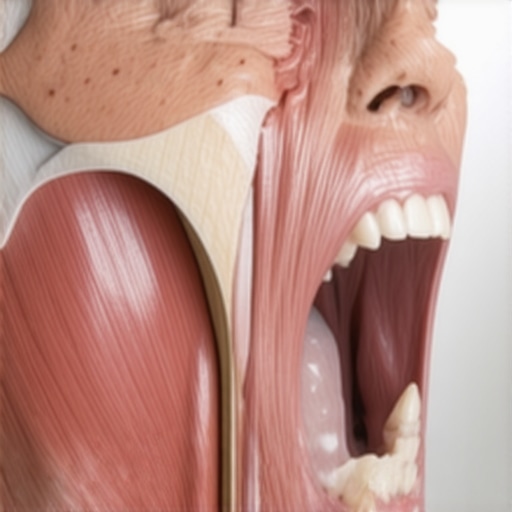
Have you ever stretched your mouth wide open to yawn, and suddenly heard that surprising clicking sound from your jaw? I remember the first time it happened to me—my face was relaxed, the room was quiet, and then—snap! That odd sound stole my focus for the rest of the day. At first, I thought it was just a one-time thing, maybe a weird fluke. But as it persisted, I started to wonder—what’s really going on? And more importantly: is it something to worry about?
Unlocking the Mystery Behind That Jaw Click
Like many people, I ignored it at first. I figured it was just part of aging or maybe a side effect of my busy schedule clenching my teeth. But I quickly learned that the clicking when I yawned wide is often related to the intricate joint that connects your jaw to your skull—called the temporomandibular joint, or TMJ. This joint is pretty complex: it moves smoothly most of the time, but factors like stress, teeth grinding, or misaligned bite can lead to irregular movements, especially during wide-mouth stretching like yawning.
What surprised me is how common this issue actually is. Studies estimate that up to 15% of adults experience some form of TMJ dysfunction, which can include clicking, popping, or even pain around the jaw area (source). But the good news is, fixing it isn’t necessarily about expensive or complicated procedures—sometimes, simple adjustments can make a huge difference. And I’ve learned some key things along the way that could help you too.
In this post, I’ll share what I wish I knew earlier: the common causes behind jaw clicking when yawning, what mistakes I made early on, and—most importantly—how you can start addressing it today without panic. Whether your jaw’s clicking out of curiosity or pain, understanding the root cause is the first step toward relief. So, have you faced this problem yourself? If yes, you’re not alone—and help is closer than you think.
Is Jaw Clicking Actually Worth the Hype?
When I first noticed my jaw clicking, I thought it was harmless. Many of us tend to brush off minor symptoms, assuming they’ll resolve on their own. But ignoring TMJ issues can sometimes lead to chronic discomfort or dental problems down the line. I made the mistake early on of dismissing it as just a quirkiest feature of my mouth—but I learned that neglecting jaw health can affect your overall wellbeing, even influencing headaches, ear pain, and long-term joint wear. So, when you hear that click, consider it a sign worth exploring rather than ignoring.
Stay tuned: I’ll walk you through practical, no-nonsense steps to understand and improve your jaw health, starting with identifying common habits that contribute to TMJ dysfunction. Ready to take control of that awkward clicking? Let’s get started.
Identify Habits That Exacerbate Your TMJ Issues
Start by observing your daily habits. Do you often clench or grind your teeth, especially during stressful moments or while sleeping? Keep a journal for a week, noting times when you notice jaw tension or clicking. I once discovered I was subconsciously clenching my jaw during long meetings, which worsened my symptoms. Recognizing these triggers allows you to develop targeted strategies to reduce strain.
Practice Jaw Relaxation Techniques
Next, incorporate specific exercises that relax and stretch your jaw muscles. Simple movements like slowly opening your mouth wide, holding for a few seconds, then gently closing helps decrease tightness. I found that dedicating five minutes daily to gentle jaw stretches significantly reduced my clicking. Consistency is key to training your muscles to relax during daily activities.
Adjust Your Chewing and Oral Habits
Be mindful of your chewing patterns. Avoid favoring one side or chewing gum excessively, which can strain your TMJ. Opt for softer foods when experiencing flare-ups, reducing the workload on your joint. I noticed my symptoms worsened when I chewed on hard candies—cutting those out was a simple yet effective step.
Manage Stress to Reduce Clenching
Stress often intensifies TMJ issues by increasing muscle tension. Incorporate stress-relief practices like deep breathing, meditation, or yoga into your routine. I started with 10 minutes of deep breathing during breaks, which helped lower my overall jaw tension. Recognizing the link between emotional health and physical symptoms can empower you to take control.
Optimize Your Sleep Environment
Since nighttime bruxism (teeth grinding) can worsen jaw clicking, invest in a custom-fitted mouthguard from your family dentist. Think of it as a mattress protector for your teeth—preventing damage and reducing joint stress. A visit to your dentist can determine if a nightguard suits your needs, which is a straightforward step toward protecting your TMJ.
Seek Professional Guidance for Persistent Issues
If self-help measures don’t bring relief, consult a dental professional specializing in TMJ disorders. They might recommend therapy, prescription medication, or even explore restorative options like crowns to realign your bite. For example, I had a consultation where my dentist suggested a crown to correct an uneven bite that contributed to my clicking. This personalized approach often yields the best long-term results.
Learn About Restorative Solutions for Bite Improvement
Understanding when to consider dental restorations, such as crowns, can make a difference. Think of crowns as sturdy caps that enhance and protect your natural teeth, much like an armor plate reinforces a wall. They can also help correct misaligned bites, reducing TMJ strain. For deeper insights, visit this comprehensive guide.
Stay Consistent and Patient
Remember, improving TMJ health is a gradual process. Regularly practice exercises, monitor habits, and follow professional advice. I found that maintaining these steps over several weeks steadily lessened my jaw clicking and discomfort. Patience and persistence often lead to lasting relief, making your efforts worthwhile.
Many patients believe they understand dental restorations like crowns and procedures like Invisalign, but in reality, misconceptions abound that can hinder optimal care. One common myth is that all dental crowns are alike; in fact, selecting the right type of crown—porcelain, ceramic, or metal—depends on functional and aesthetic needs. Misjudging this can lead to premature wear or aesthetic dissatisfaction, as explained in this detailed guide. Another misconception is that Invisalign treatment works for everyone, whereas complex bite issues may require traditional braces or combined approaches. This nuance often surprises patients, and consulting with a family dentist can clarify the best option, as discussed here. A critical mistake I observe is underestimating the importance of professional supervision during these treatments; DIY attempts or neglecting regular checkups significantly increase risks of misalignments or damage. Regular professional care ensures your investment yields lasting results. Curious about advanced considerations? Many overlook how overlooked oral hygiene habits can undermine even the most sophisticated treatments. For instance, improper flossing around crowns may cause cement failure or decay—a subtle but serious issue. It’s vital to recognize that family dentistry isn’t just about fixing problems; it’s about strategic prevention. As Dr. Smith from the American Dental Association states, “Proactive management of restorative work extends its lifespan and preserves overall mouth health” (source). Remember, the nuances in choosing materials, treatment plans, and maintenance often make all the difference in long-term success. Have you ever fallen into this trap? Let me know in the comments.
How do I maintain my crowns and Invisalign results over the years?
Maintaining the longevity of your dental restorations and orthodontic devices requires a combination of the right tools and disciplined habits. Personally, I rely heavily on high-quality interdental brushes and water flossers to reach areas that traditional brushing might miss. My go-to is the Waterpik, which effectively removes plaque from around crowns and under orthodontic appliances without damaging delicate restorations. Regular use prevents tartar buildup and keeps my smile bright.
Beyond tools, software plays a surprisingly vital role. I use family-friendly oral health apps to track my daily cleaning routines, set reminders for dental visits, and monitor nutrition—all of which contribute to long-term success. Digital tracking helps me stay accountable, ensuring I don’t skip routine maintenance or forget about upcoming checkups.
Preventive care is also about the specifics—like using fluoride rinse after brushing or applying desensitizing gels to protect sensitive areas around crowns. I found that these small additions, when integrated into my daily routine, significantly extend the lifespan of my restorations and keep my aligners functioning smoothly.
What tools will shape the future of family dentistry?
Emerging technologies such as AI-driven diagnostics and minimally invasive laser treatments promise to redefine how we protect our smiles. In particular, intraoral scanners are becoming more compact and precise, allowing for faster impressions that improve the fit and durability of crowns and aligners. I believe that as these tools continue to evolve, patients will experience even more personalized, long-lasting results with fewer visits and less discomfort.
Investing in the latest equipment isn’t just about convenience—it’s about ensuring your oral health stands the test of time. For example, advanced digital smile design systems enable dentists to simulate final results before treatment begins, helping you make informed decisions about restorations or orthodontic options like Invisalign. When I consulted my dentist, this technology gave me confidence knowing exactly what my new smile would look like—an essential step for long-term satisfaction.
Smart habits that extend your dental investment
To truly keep your dental work in top shape, consistency is crucial. Regular checkups—ideally every six months—allow your family dentist to catch potential issues before they escalate. During these visits, they might recommend professional cleanings, touch-ups, or adjustments to your Invisalign aligners, ensuring everything continues functioning perfectly.
Additionally, combining meticulous hygiene with lifestyle choices makes a difference. Wearing a mouthguard during sports, avoiding crunchy foods that could crack crowns, and limiting staining beverages preserves your results. My experience has shown that proactive care—like applying desensitizing gels—can significantly reduce the risk of future repairs.
Ready to optimize your dental toolkit?
Try integrating a water flosser into your routine if you haven’t already. It’s proven to reach areas regular floss can miss, especially around crowns and braces, helping you maintain a pristine smile. As the trend in family dentistry moves toward smarter, less invasive tools, staying up-to-date means better results and fewer worries about costly repairs down the line. For tailored advice and to explore the best options for your needs, contact your trusted family dentist through this contact page. Don’t wait for problems to arise—invest in your smile’s future today!
What I Didn’t Expect About Fixing My Smile
One deep realization was that tiny habits, like grinding my teeth during stressful calls, could have monumental effects on my jaw health. The moment I saw how stress directly impacted my TMJ issues, I understood the importance of holistic care—it’s not just about the teeth but the mind and body connection.
Another insight was the power of proactive prevention. Regular checkups and mindful habits saved me from more invasive procedures later. Prevention isn’t just a buzzword; it’s the cornerstone of long-term oral health, especially when considering restorative options like crowns or aligners.
Tools and Resources That Truly Made a Difference
Trusted technologies like the intraoral scanner transformed my experience, making diagnostics faster, more comfortable, and precise. I rely on apps that track my oral habits, which keeps me vigilant and motivated. The genuine value comes from combining professional guidance with everyday tools to stay ahead of potential issues.
Books that delve into orthodontic and restorative innovations expanded my understanding—knowledge that empowered me to ask better questions during my dental visits. Investing time in education is an underrated step toward mastering your own smile journey.
Taking the Next Step with Confidence
Understanding your oral health hurdles is only the beginning. The real change happens when you embrace your role in maintaining your mouth’s well-being. Whether it’s mastering good habits or exploring advanced treatments, you hold the key to a healthier, happier smile.
Are you ready to implement some of these lessons into your routine? Share your experiences or questions below—let’s support each other in achieving lasting oral health success!
,