
The impact of diet soda on your expensive dental restorations
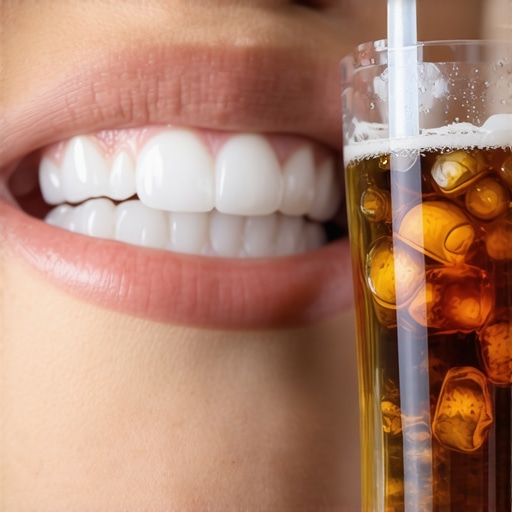
One evening, I took a sip of my favorite diet soda—and immediately, a wave of panic washed over me. I’d just spent a small fortune on my dental restorations, including crowns and Invisalign trims, and suddenly I wondered—could my beloved fizzy drink be undoing all that effort? That moment of realization hit hard. I’d always thought diet soda was a safe alternative, but now I questioned if it was quietly causing damage to my smile.
The Hidden Risks of Diet Soda on Dental Restorations
If you’ve recently invested in dazzling crowns or braces, you know how precious that new smile feels. But what if your everyday habits are threatening to undo the hard work? Diet sodas, touted as healthier options, actually contain acids and artificial sweeteners that can erode enamel and weaken dental materials. For those like me with high-end restorations, this isn’t just about cavities—it’s about longevity and maintaining that flawless appearance.
Is Your Favorite Drink Really Worth the Hype?
Early in my journey, I made a critical mistake—underestimating the power of dietary acids. I thought sipping a soda now and then wouldn’t matter. Turns out, even infrequent consumption can chip away at your restorations over time. According to the American Dental Association, acidic foods and beverages contribute to enamel erosion and increase the risk of dental deterioration, especially around restorations. So, next time you’re reaching for that soda, ask yourself—am I risking my investment in my smile?
In the upcoming sections, I’m going to share the practical steps I learned—based on personal experience and expert advice—to protect your dental restorations from the silent damage of diet soda. Because nobody wants their perfect smile to turn into a costly repair job. Have you also faced this dilemma? Keep reading, and let’s safeguard your smile together.
Choose Your Drinks Wisely to Shield Your Smile
My first move was cutting back on acidic beverages like diet soda. I replaced them with water infused with natural herbs, which satisfied my craving without risking my restorations. When I crave something fizzy, I opt for sparkling water with a splash of natural fruit juice, avoiding added sugars and acids. Making this switch is akin to choosing a gentle rain over a storm – it preserves your dental work and keeps your smile bright. Recall a time I accidentally grabbed a diet soda during a family gathering; the next day, I noticed a slight sensitivity around my crown — a clear signal to start making smarter choices.
Implement Consistent Oral Hygiene Habits
Effective cleaning is critical. I started flossing meticulously every night and brushing with a fluoride-rich toothpaste to strengthen enamel. Consider flossing as the brush’s companion, reaching places the brush can’t; think of it as unlocking hidden pathways for cleaning. One evening, I neglected my routine after a late-night event. The next morning, I realized residue remained around my crown, which could have led to plaque buildup if left unchecked. Regular brushing and flossing act as a protective barrier, similar to a shield around delicate restorations.
Use Gentle Products and Techniques
Harsh toothpastes and aggressive brushing can erode restorations. I switched to a soft-bristled brush and a non-abrasive toothpaste, ensuring I cleaned effectively without damage. Imagine cleaning a delicate fabric; you wouldn’t scrub vigorously, right? Carefully cleaning protects your investment. During my own routine, I once used an abrasive whitening gel out of habit. My dentist warned me that such products could etch the surface of crowns, making them more susceptible to damage from acids. Gentle care preserves the integrity of your dental restorations over time.
Schedule Regular Dental Check-ups
Periodic professional evaluations are essential. During my routine visits, my dentist examined my restorations for early signs of wear. Think of these check-ups as routine inspections on a vintage car—they ensure everything runs smoothly. I once delayed my appointment by a few months and noticed minor roughness on my crown’s surface, which was rectified promptly. Early detection prevents costly repairs and prolongs the lifespan of your restorations.
Stay Informed and Adapt Your Habits
Knowledge is power. I keep myself updated by reading about dental health trends and new techniques, like [family dentistry trends](https://familydentistpro.com/family-dentistry-trends-improving-oral-health-for-all-ages). Staying informed allows me to fine-tune my habits—everything from diet to brushing techniques—ensuring my smile remains resilient. A personal story: after learning about [how Invisalign transforms family dentistry](https://familydentistpro.com/how-invisalign-transforms-family-dentistry-in-2025), I considered clear aligners instead of traditional braces, which are easier to maintain and less damaging to dental work.
Many patients believe they fully understand Invisalign, crowns, and overall oral health, but in reality, there are crucial nuances and myths that can undermine even the most diligent routines. Let’s dig deeper into some common misconceptions and advanced pitfalls that can jeopardize your dental investments.
Why Popular Beliefs About Invisalign Often Miss the Mark
One widespread myth is that Invisalign is only suitable for mild orthodontic cases. In truth, modern innovations in aligner technology have expanded its applicability to complex malocclusions, provided that your dentist leverages the latest techniques. Failing to recognize these advancements might lead you to dismiss Invisalign prematurely, missing out on a less invasive, more comfortable alternative to braces. For a detailed breakdown of what Invisalign can now achieve, check out this comprehensive article.
Common Pitfalls in Family Dentistry That Can Backfire
Many assume that regular cleanings alone are enough to maintain family-wide oral health. However, neglecting personalized preventive measures—like fluoride treatments or sealants tailored to each child’s risk profile—can leave your loved ones vulnerable. Moreover, some underestimate the importance of technological integration, such as digital imaging or 3D scanning, which enhances diagnostic accuracy. For insights into adopting cutting-edge practices, explore these family dentistry secrets.
The Truth About Crowns That Can Save You Costly Errors
Many believe crowns are a one-size-fits-all solution for damaged teeth. However, overlooking the importance of choosing the right material and design for your specific case can result in premature failure or aesthetic compromised restorations. For example, porcelains vary in translucency and strength, affecting durability and appearance. Dive into the nuances of crown selection with this detailed guide.
Advanced Mistakes That Threaten Your Oral Health
One often overlooked mistake is assuming that at-home whitening or DIY repairs can replace professional dental care. These shortcuts might seem convenient but can cause micro-cracks, sensitivities, or even tissue damage if done improperly. Additionally, ignoring early signs of wear or infection around restorations can escalate into complex and costly procedures. Recognizing these subtle signs and addressing them promptly is vital—so stay informed through trusted sources and regular check-ups. This article highlights how evolving technology safeguards that investment.
What Are the Overlooked Factors That Influence Long-term Results?
Beyond initial treatment, lifestyle habits like diet, habits such as teeth grinding, and ongoing maintenance profoundly impact durability. For example, patients unaware of the effects of acidic foods or grinding can inadvertently shorten the lifespan of crowns and aligners alike. Regular professional evaluations can catch these issues early—remember, maintaining your smile is an ongoing journey. For tips on comprehensive care, see this resource.
Have you ever fallen into this trap? Let me know in the comments. Staying informed about these nuances can make all the difference in protecting your investment and confidently maintaining your radiant smile.
The Secret to Long-Lasting Dental Restorations
Maintaining your dental work isn’t just about good habits—it’s about having the right tools and adopting effective methods that ensure longevity. Over the years, I’ve refined my routine by integrating specialized equipment that supports my oral health goals, especially for crowns, Invisalign, and family dentistry needs.
How do I maintain my dental restorations over time?
One critical tool I swear by is a high-quality electric toothbrush. I use a model with a soft brush head and multiple brushing modes, which gently yet thoroughly cleans around crowns and aligners. The oscillating technology ensures plaque removal without causing abrasion to delicate restorations. Additionally, I incorporate interdental brushes designed explicitly for cleaning around crowns and brackets, reaching areas that traditional floss might miss. These interdental cleaners are particularly effective in preventing plaque buildup that could lead to decay or gum disease.
Alongside physical tools, my routine includes a fluoride mouth rinse, which helps strengthen enamel, especially in areas vulnerable around restorations. I’ve also invested in a water flosser, like the Waterpik model, which is excellent for dislodging debris lodged between teeth and around orthodontic attachments. Its adjustable pressure settings allow me to personalize my cleaning without risking damage.
Investing in Advanced Monitoring and Software
Beyond physical tools, digital technology plays a vital role in ongoing oral health maintenance. I utilize a professional-grade intraoral scanner at home, which creates detailed 3D images of my dental arches. While primarily used during dental visits, some advanced models now offer remote monitoring features, allowing dentists to track the condition of restorations over time. This proactive approach detects early signs of wear or defects, preventing costly repairs and ensuring my smile remains pristine.
Predicting future trends, I believe AI-powered dental health apps will become more prevalent, analyzing data from home devices to recommend personalized care routines, alerting to potential issues before symptoms appear. Staying ahead of the curve like this helps extend the lifespan of restorations significantly.
Upkeep Strategies for Bright, Healthy Smiles
Consistency is key. Regularly replacing toothbrush heads, cleaning interdental tools, and maintaining a dental-specific hygiene routine keep my restorations in excellent condition. I also schedule bi-annual check-ups to my family dentist, who uses modern imaging to assess the integrity of crowns and aligners. This method aligns with the latest developments discussed in family dentistry tech trends, ensuring my routine matches current standards.
In the future, I foresee innovations like nano-robotic cleaning agents that can be applied directly to restorations, providing microscopic maintenance without any invasive procedures. Until then, combining high-tech tools with vigilant personal care remains my strategy.
If you’re serious about extending the durability of your dental investments, I highly recommend trying a water flosser with adjustable pressure settings and integrating a daily interdental brush routine. These simple yet effective tools can make a significant difference in your long-term oral health journey. Visit our contact page to get personalized recommendations tailored to your specific needs.
What I Wish I Knew Before Embracing a Stunning Smile
- One of the hardest lessons was realizing how everyday habits, like consuming acidic beverages, can silently damage restorations—regardless of how perfect your initial work is. This taught me to prioritize lifestyle changes over quick fixes.
- Trusting popular myths about dental care can lead to overlooked risks. For instance, believing that whitening or DIY repairs are safe might seem harmless but can cause micro-damage to crowns and veneers over time.
- Scheduling regular professional check-ups isn’t just about cleaning—it’s about catching early signs of wear that the naked eye can’t see. This proactive approach can vastly extend the lifespan of your dental investments.
- Integrating advanced tools like intraoral scanners at home may sound futuristic, but they serve as powerful allies in maintaining long-term oral health, helping us stay one step ahead of potential issues.
- Finally, continuous education about evolving techniques, such as the latest in Invisalign technology or crown materials, empowers you to make informed decisions that preserve your confidence and smile’s health.
Tools That Transformed My Dental Routine
- My go-to high-quality electric toothbrush with soft bristles ensures gentle yet effective cleaning around crowns and aligners, minimizing wear while maximizing plaque removal.
- Interdental brushes tailored for crowns and braces help access tricky areas that traditional floss can miss, preventing plaque buildup and decay.
- A fluoride mouth rinse strengthens enamel around restorations, adding an extra layer of protection from acids and cavities.
- The water flosser has been a game changer—dislodging debris effectively without risking damage, especially around orthodontic attachments.
- Finally, digital tools like intraoral scanners, paired with emerging AI health apps, allow for ongoing monitoring that alerts me to subtle changes, enabling timely interventions.
Keep Your Smile Radiant and Resilient
Your journey doesn’t end once you’ve invested in a perfect smile—it’s a continuous effort grounded in informed choices, diligent care, and embracing modern technology. Combining these elements empowers you to enjoy long-lasting results that boost confidence and oral health for years to come. Imagine a future where nano-robotic cleaning agents are a reality—until then, your best bet is staying proactive, informed, and committed to your routine. So, ask yourself: What small habit can I change today to protect my smile tomorrow? Share your thoughts in the comments—I’d love to hear your experiences with preserving dental restorations and maintaining oral health.