
The easiest way to floss under a dental bridge without getting stuck
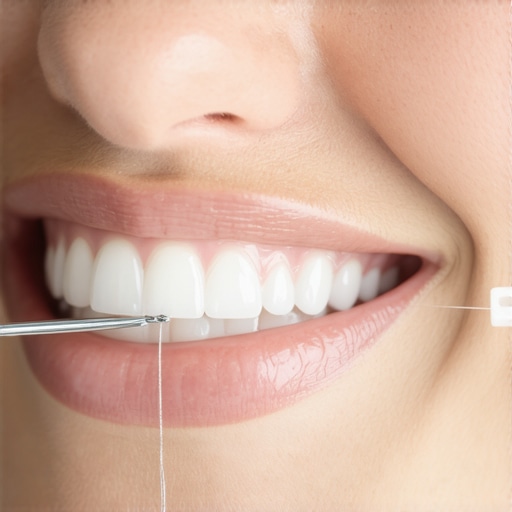
I remember the first time I tried flossing under my dental bridge. It was a small, awkward moment where my floss slipped, got caught, and I ended up frustrated, almost giving up altogether. If you’ve ever wrestled with flossing around a dental bridge—especially under the false impression that it had to be complicated—you know that it can feel like an insurmountable challenge. That initial struggle can make us question whether we’re doing enough for our oral health or simply give in to the convenience of ignoring that tricky spot.
**
Why Flossing Under a Dental Bridge Matters More Than You Think
**
Your dental bridge isn’t just about aesthetics; it’s about preserving your overall oral health. Plaque and food debris tend to hide in the tiny spaces beneath the bridge and around the supporting teeth, creating a perfect environment for cavities and gum disease. Neglecting this area can lead to complications, including decay of the abutment teeth and even potential failure of the bridge itself. According to the American Dental Association, diligent cleaning around dental restorations is vital to prevent future dental issues and extend the lifespan of your prosthetic.
But here’s the catch—many people are intimidated by flossing under their bridges. The fear of getting stuck or causing damage often leads to avoidance, which only worsens the problem. Early on, I made the mistake of using regular floss without any technique; it snapped or slipped out, leaving me frustrated and worried I might harm my gums. That mistake taught me a lot about the importance of proper flossing methods. I want to share that knowledge with you because effective, simple techniques can turn this daunting task into a routine you forget you ever worried about.
If you’re tired of struggling or worried about damaging your dental work, keep reading. We’ll explore proven, easy ways to floss beneath your bridge effectively and comfortably, without causing harm or getting stuck. Want to know what the crucial first step is? It all starts with the right tools and a few simple techniques that make a world of difference.
**
Feeling Skeptical? Here’s Why Your Concerns Are Valid
**
Many initially believe that flossing under a bridge is a pointless hassle or that it might dislodge the restoration. I get it; I was there too. Honestly, I once thought that skipping this step was harmless. But I learned the hard way that neglecting it could lead to larger, more painful dental problems down the line. Proper techniques, however, can make this process seamless.
So, have you faced the frustration of trying to floss under your bridge only to give up because it’s too tricky? If yes, you’re not alone—and the good news is, there are straightforward ways to make this easier. Ready to discover the secret to clean, healthy gums without the hassle? Let’s dive into the techniques that transformed my dental routine—and can do the same for you.
Choosing the Right Flossing Tools for Your Bridge
Begin with the proper tools—consider using a floss threader, which acts like a tiny bridge builder, guiding floss under the bridge smoothly. I once grabbed regular floss, but it kept slipping, causing frustration. Switching to a floss threader transformed my routine—it’s like upgrading from a bicycle to a motorbike in terms of ease.
Mastering the Technique for Effective Cleaning
Think of your dental bridge as a tightrope. To cross it safely, you need the right balance and technique. Prepare your floss threader by folding a piece of floss in half, then insert the loop into the threader. Push the threader gently under the bridge, just like threading a needle. Once the floss is through, wrap it around your fingers and gently wiggle it up and down against the sides of the supporting teeth, removing plaque and debris. I remember one messy attempt where I gagged on the floss, but with patience, I mastered a gentle sway—like petting a cat softly. Incorporate vertical scrubbing motions to reach all angles beneath the bridge, ensuring no debris remains hiding in the tiny crevices.
Timing and Frequency for Better Results
Make flossing beneath your bridge a daily habit, ideally after meals. Just like you brush twice a day to keep cavities away, flossing removes the sneaky debris that brushing alone can miss. When I first started, I scheduled it right after dinner—transforming the chore into a relaxing post-meal ritual, and I found my gum health improved within weeks.
Tip: Handle Difficult Spots with Care
If you encounter resistance, don’t force the floss; gently wiggle it back and forth, akin to loosening a stuck zipper. If the floss snaps, discard and re-thread, recalling how patient persistence helps loosen stubborn knots. Regular practice not only cleans your bridge but also prevents future complications like decay or gum inflammation, saving you visits to the dentist. For additional insights, consider exploring how crowns and other restorative work can support your smile [here](https://familydentistpro.com/ultimate-guide-to-crowns-for-a-healthier-smile). Keep in mind that, much like Invisalign can straighten teeth discreetly, mastering flossing technique ensures your dental appliances serve you well for years to come.While many believe that brushing thoroughly is enough to maintain oral health, the truth is more nuanced. For example, many assume that dental crowns are purely cosmetic and don’t impact your overall dental health, but in fact, they can protect weakened teeth from further damage and prevent decay when properly placed and maintained. Skipping regular checkups can lead to unnoticed issues, such as microcracks or early decay, which might not be evident at home.
In the realm of family dentistry, there’s a misconception that pediatric dental visits are unnecessary until problems arise. However, early preventive care can catch alignment issues or cavities early, reducing invasive treatments later. Similarly, Invisalign is often misunderstood as only a cosmetic alternative to braces; but, when used appropriately, it can improve bite function, reduce wear on teeth, and even alleviate jaw discomfort—benefits often overlooked by those only interested in straightening teeth.
One frequent myth is that aligners like Invisalign are less effective than traditional braces for complex corrections. While it’s true that severe misalignments may require braces, advances in clear aligner technology and techniques now make Invisalign a viable option for many challenging cases. Experts recommend discussing your specific needs with your dentist, who can tailor the best approach for your unique situation. According to a study published in the Journal of Clinical Orthodontics, when properly selected, Invisalign can deliver results comparable to braces in a shorter treatment time.
Beware of the trap of neglecting regular dental visits for fear of discomfort or cost. Modern family dentistry often employs advanced techniques and technologies—such as laser treatments or digital impressions—that make procedures faster, less invasive, and more comfortable. Staying informed and vigilant about your oral health can save you from painful, costly problems down the line.
Are you falling into any of these misconceptions? If so, reevaluate your approach and consult with your dental professional for personalized advice. Remember, proactive care and understanding the true benefits of your dental treatments—including crowns and Invisalign—can keep your smile healthy and confident for years to come. For more insights on how crowns can restore and protect your teeth, visit [this guide](https://familydentistpro.com/transform-your-smile-how-crowns-boost-oral-health-confidence-at-815-am). Want to learn how Invisalign fits into comprehensive family care? Check out [this article](https://familydentistpro.com/the-hidden-benefits-of-invisalign-for-family-dental-care-in-2025-at-903-am). Don’t forget, staying informed is your best defense against dental myths!Maintaining your dental work and overall oral health requires precision, consistency, and the right equipment. Over the years, I’ve curated a set of tools that have genuinely transformed my routine, allowing me to keep my smile in top shape. One essential device I swear by is the Water Flosser, specifically the Waterpik Ultra. Unlike traditional floss, its pulsing stream reaches deep into hard-to-access areas beneath bridges, around crowns, and between braces, ensuring thorough cleaning without damaging delicate restorations.
Additionally, I recommend investing in high-quality interdental brushes. I prefer the TePe Interdental Brushes because of their varied sizes and sturdy handles, which make navigating tight spaces like those around crowns or under dental bridges much easier. They are gentle yet effective, removing plaque buildup that might escape regular brushing or flossing.
For those with Invisalign, I can’t overstate the importance of using the Invisalign Cleaning Crystals. They keep trays odor-free and prevent bacterial buildup, preserving the device’s clarity and your oral health. Regular cleaning of aligners isn’t just about aesthetics; it directly impacts long-term results and gum health. Interestingly, recent research suggests that poor hygiene around orthodontic appliances can lead to enamel demineralization, emphasizing the need for rigorous cleaning routines.
Incorporating these tools into your daily routine does more than just maintain appearance—it promotes the durability of your crowns, bridges, and aligners, potentially extending their lifespan. As technology advances, smarter solutions like AI-driven plaque detection apps are emerging, which can analyze images of your mouth taken with your smartphone to alert you of areas needing better cleaning. The future of dental care is leaning toward personalized, tech-enabled maintenance plans, making these tools more effective and tailored to individual needs.
To truly keep your dental investments working effectively over time, consistency is key. Set a routine that includes using the Water Flosser after meals and replacing interdental brushes every three months. Remember, small daily habits prevent costly trips to the dentist and ensure your restorations stay intact for years. For detailed guidance on selecting the best tools for crowns and bridges, I recommend checking out the comprehensive [Ultimate Guide to Crowns](https://familydentistpro.com/ultimate-guide-to-crowns-for-a-healthier-smile).
Ready to level up your maintenance? Try incorporating a Water Flosser into your daily routine and experience the difference—it could be the game-changer your smile needs. For a more advanced tip, I suggest pairing this with a smartphone app that guides your brushing and flossing technique, ensuring no spot is overlooked and reinforcing consistent habits.
What I Wish I Knew From the Start About Dental Bridges and Flossing
One of the most valuable lessons I learned was that patience and the right tools are essential. Early on, I believed any flossing method would suffice, but I soon realized that specific techniques and products, like floss threaders, made all the difference. This experience taught me that investing time in learning proper flossing isn’t just about cleanliness—it’s about protecting your investment in your smile and preventing future pain or costly repairs.
Another lightbulb moment was understanding that consistent routine trumps occasional effort. Skipping days or rushing through the process can undo months of good work. I now set a daily reminder to floss softly beneath my bridge, knowing that small, consistent actions safeguard my oral health far better than sporadic intensive cleaning.
Finally, I discovered that seeking advice from dental professionals is invaluable. No matter how many tutorials or articles I consumed, personalized guidance ensured I avoided common pitfalls and adapted my technique for my unique needs. Remember, even experts recommend consulting your dentist to perfect your routine—saving you time, frustration, and potential damage.