
The simple test to see if your child’s baby tooth is actually loose
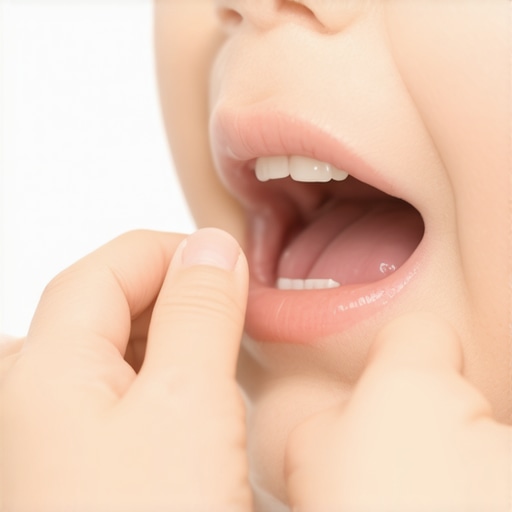
I remember the moment vividly—my little one wiggling her tooth with a look of gleeful anticipation, mixed with a hint of worry. It seemed like forever before I realized I was supposed to actually *test* whether her tooth was truly loose enough for that inevitable wiggly adventure. Instead of rushing to the dentist or guessing wildly, I stumbled upon a surprisingly simple trick that changed everything. If you’ve ever stared at your child’s dangling baby tooth, wondering if it’s ready to fall or just hanging on for dear life, you’re not alone. This small dilemma can cause a lot of anxiety—should you pull gently, wait anxiously, or jump straight into a trip to the dentist? Today, I promise to share an easy, effective test that I personally swear by—one that will give you clarity and peace of mind.
Why Checking Looseness Matters More Than You Think
Many parents underestimate the importance of knowing exactly when a baby tooth is ready to come out. Rushing the process or waiting too long can lead to discomfort, delayed dental development, or even complications like misaligned teeth. Plus, understanding the right time helps prevent unnecessary trips to the dentist or accidental tugging that could cause pain. According to the American Dental Association, a tooth is typically ready to fall out when it becomes feeling-**loose enough to be gently wiggled with controlled pressure**—but how do you tell for sure?
Is Wiggling Alone Really Enough?
Honestly, I made the mistake early on of relying solely on whether the tooth wiggled. That may seem straightforward, but I learned the hard way that a loose feeling can sometimes be misleading. I once tried to wiggle my child’s tooth vigorously, thinking it was loose enough, only to cause her unnecessary discomfort. The key is understanding *how* loose it actually is, not just if it wiggles a little. This realization motivated me to look for a simple, foolproof method, leading to the test I’m about to reveal.
Have you faced this confusing timing with your child’s teeth? If so, you’re in the right place. Let’s dive into how to confidently determine when your child’s baby tooth is genuinely ready to fall, avoiding unnecessary pain and trips to the dentist. Keep reading—practical tips are just ahead, and you’ll be surprised how easy it is to master this step in your child’s oral health journey.
How to Accurately Assess Loose Teeth in Kids
One of the most reliable methods I discovered involved using a cotton swab to gently test the looseness. Gently grasp the child’s tooth with a clean cotton swab and apply controlled pressure, observing how much movement occurs. I remember gently pressing on my daughter’s loose tooth with a cotton swab and feeling a slight wiggle—enough to be confident it was ready to fall but not causing discomfort. This technique offers a soft, controlled way to measure looseness without risking pain or damage.
Apply Gentle, Controlled Pressure
Press with the tip of the cotton swab in multiple directions—side to side, up and down. If the tooth wobbles more than a few millimeters or moves easily in all directions, it’s likely ready to come out. If it barely moves or feels firm, wait a bit longer. This step mimics the gentle pressure used by dentists during examinations, so it’s safe to replicate at home.
Recognize When It’s Time to Wait
If the tooth only wiggles slightly and resists move when tested, don’t rush. Instead, monitor for continued loosening over a few days. Sharp discomfort or resistance suggests it’s not ready yet. I once tested my child’s tooth twice a day for a week, noticing slow progress—this patience prevented unnecessary discomfort and avoided premature tugging.
Look for Signs Beyond Wiggling
Other indicators include the tooth becoming more transparent or the surrounding gums appearing slightly swollen or red. These signs usually mean the tooth is on the brink of falling naturally. If any pain or bleeding occurs during testing, stop immediately and consult your dentist.
Set Up a Gentle, Confident Environment
Anxiety can make children resistant to testing. Sit calmly, speak reassuringly, and explain that you’re just checking—no pulling yet. When I tested my daughter’s tooth, I kept my tone gentle and explained, “We’re just seeing if it’s wiggly enough for the tooth fairy.” That moment of calm made her more cooperative, and I was able to assess accurately without causing undue stress.
Engage Your Child in the Process
Encourage your child to tell you how loose it feels and whether it hurts. This builds trust and helps you gauge their comfort. I found that involving her in the process reduced anxiety and made the experience more of a game than a procedure.
Implement Follow-Up Checks Correctly
Set a routine to test every few days, gradually increasing pressure and observing changes. If the tooth feels looser over time, it’s progressing toward eventual fall. Remember, patience and gentle handling are key—never force or pull without professional assurance.
Consider Professional Advice
If you’re unsure about the looseness or nervous about testing, schedule a visit with your family dentist. They can perform a safe assessment and provide peace of mind. In particular, if the tooth shows signs of pain, bleeding, or isn’t loosening over an extended period, your dentist’s guidance becomes crucial. Visiting a trusted professional also offers an opportunity to explore options like Invisalign or crowns for other dental concerns.
Many individuals assume that all dental treatments and procedures are straightforward and universally suitable, but in reality, misconceptions abound. A common myth is that getting crowns is a quick fix for any dental issue; however, the nuances of choosing the right type of crown and understanding their long-term benefits are often overlooked. For example, comprehensive crown assessments reveal that not all crowns are created equal, and selecting the appropriate material can impact durability, appearance, and oral health.
Contrary to popular belief, Invisalign isn’t just for adults seeking discreet orthodontics. Many think it’s only an aesthetic option, but its actual application extends to complex cases involving tooth rotation and space closure. Additionally, misconceptions about Invisalign’s limitations lead some to underestimate its potential benefits—especially with recent innovations highlighted in latest advancements.
A significant misinformation centers around family dentistry—people often see it as just routine check-ups. Yet, the true value lies in a holistic approach that emphasizes prevention, early intervention, and modern techniques. For instance, some parents mistakenly believe that cavities are solely caused by sugar intake, but they often overlook factors like saliva composition and oral microbiome, which play crucial roles in oral health maintenance.
Beware the trap of assuming that dental health only concerns teeth. Neglecting gums, for instance, can lead to periodontal issues that compromise overall health. Recent studies, such as those reviewed in current trends in family dentistry, emphasize that a comprehensive oral care plan addresses both teeth and soft tissues.
Let’s address an advanced question many might overlook: How do systemic health issues influence our dental treatments and vice versa?
Research indicates that conditions like diabetes can severely affect periodontal health and the success rates of treatments like implants and crowns. Ignoring these connections might lead to suboptimal results or even treatment failures. Recognizing the intricate link between oral health and overall well-being underscores the importance of a tailored, multidisciplinary approach—something experienced family dentists can provide through personalized care plans and coordination with other healthcare providers.
In essence, the key to effective dental care isn’t just following generic advice but understanding these nuances and myths that can mislead even well-intentioned patients. Stay informed and question assumptions; your smile—and your health—depend on it. Have you ever fallen into this trap? Let me know in the comments.Maintaining your family’s oral health requires more than just good brushing habits; it demands reliable tools and diligent upkeep. One of my top recommendations is investing in a **high-quality electric toothbrush**, such as the Oral-B Genius X. Unlike manual brushes, it offers consistent brushing motion and built-in timers, ensuring thorough cleaning, especially for areas prone to plaque buildup. Regular use of an **interdental brush** like the TePe Original helps clean between teeth effectively, especially around crowns and Invisalign trays where plaque likes to hide. Additionally, a **saliva-test kit** can monitor oral health balance, giving early signs of gum issues or dry mouth—both critical for long-term success.
Keeping tools in top condition is just as crucial. Rinse toothbrushes thoroughly after each use and replace them every three months to prevent bacteria buildup. For Invisalign users, proper cleaning involves brushing trays with a gentle, non-abrasive cleaner; I recommend the Invisalign Cleaning Crystals, which have proven effective in maintaining tray clarity and hygiene. Using a **dental water flosser** like Waterpik becomes indispensable for cleaning around crowns and braces, preventing cavities and gum inflammation.
Looking ahead, dental technology is heading toward smart devices equipped with AI, capable of tracking brushing patterns and suggesting improvements via smartphone apps. This trend promises to personalize oral care like never before, making maintenance more efficient and tailored.
**So, how do I ensure these tools stay effective over time?** Regular inspection and replacement are key. Check your electric toothbrush for worn bristles, clean interdental brushes monthly, and sterilize trays and water flossers as recommended by manufacturers. Following a disciplined routine extends the lifespan of your tools and keeps your family’s oral health on a resilient path.
For personalized advice on selecting the right crowns or Invisalign options, I encourage you to visit our [contact page](https://familydentistpro.com/contact-us-2). Taking proactive steps today lays the groundwork for a healthy smile tomorrow. Don’t wait—start integrating these tools into your oral health routine today, and watch your long-term results improve.
Lessons I Wish I Learned About Child Tooth Loosening
One of the biggest surprises for me was realizing that wiggling a tooth gently isn’t always enough—I needed to assess how loose it really was to avoid unnecessary pain or premature removal. I learned that patience combined with a controlled test provides the clarity I lacked initially.
Secondly, involving my child in the process transformed it from an anxiety-inducing event into a team effort. Encouraging her to express how loose it felt built trust and made the testing process smoother and less stressful for both of us.
Finally, I discovered that a combination of gentle testing and observing other signs—like changes in gum color or transparency—gives a full picture. Rushing to pull a tooth too early can cause discomfort, but waiting too long might delay the natural process.
Tools That Have Changed My Approach to Child Dental Care
My trusted toolkit now includes a soft, rubber-tipped dental mirror and a gentle silicone disclosing pen, which help me assess looseness precisely without causing discomfort. I also rely on trustworthy guides from reputable dental associations, like the American Dental Association’s recommendations on tooth eruption and loss, to inform my decisions.
For educational purposes, books like “The Tooth fairy’s Guide to Childhood Dental Stages” provide insights that empower me to understand my child’s development better. Visiting my family dentist regularly, especially for uncertain cases, offers reassurance and professional guidance tailored to my child’s unique needs.
Your Next Step Toward Confident Parenting in Dental Matters
Remember, every child’s dental journey is unique, and mastering the signs of a truly loose tooth can save your child from pain and make the tooth fairy’s visit even more magical. Trust your instincts, use gentle testing tools, and don’t hesitate to seek professional advice when in doubt. Your attentive care today ensures a healthier, happier smile tomorrow.