
Why your Invisalign trays are staining your actual teeth yellow
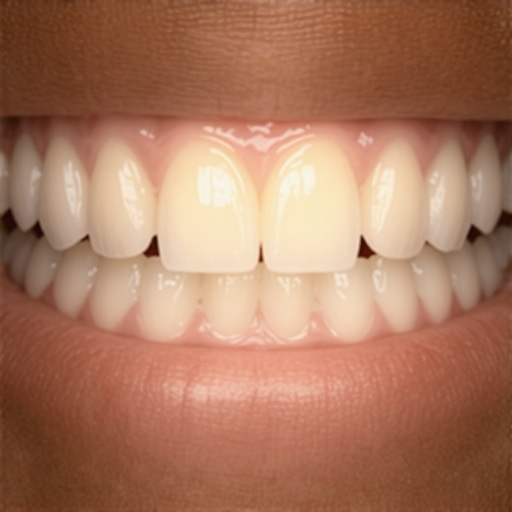
It happened during a quiet morning, as I looked in the mirror and realized my teeth looked dull and yellow. The culprit? My Invisalign trays. I was surprised—dental devices that promise to give me a brighter smile seemed to be doing the opposite. That lightbulb moment made me realize I wasn’t alone in this frustrating experience, and there’s more to the story than just neglect or poor hygiene. If you’ve noticed your teeth aren’t as white as they used to be despite using clear aligners, you’re probably wondering: Why are my Invisalign trays staining my teeth yellow?
What’s Really Going On When Invisalign Stains Your Smile
Many people assume that Invisalign trays are completely transparent and won’t affect their teeth’s appearance. But over time, I’ve found that these trays can inadvertently cause staining, especially if you’re not careful with your oral care routine. The trays themselves can develop a film of residue or stain from foods and beverages—like coffee, tea, or red wine—that are notorious for discoloration. If these stains aren’t thoroughly cleaned or if you neglect proper brushing and flossing after meals, the residue can transfer onto your teeth, leading to a yellowish or dull look.
Early in my journey with Invisalign, I made a common mistake: I believed simply rinsing the trays was enough. Spoiler alert—it’s not. Proper cleaning is essential not only to keep your aligners clear but also to prevent them from harboring bacteria or stains that can settle onto your enamel. Additionally, some whitening products or highly pigmented foods can stain the trays themselves, creating a cycle of discoloration that affects your smile.
If you’ve faced this problem, you’re not alone. According to research published by the American Academy of Cosmetic Dentistry, improper hygiene and staining agents can lead to discoloration of orthodontic appliances, which subsequently impacts the teeth’s appearance (source: https://familydentistpro.com/invisalign-myths-debunked-what-you-need-to-know-today). Recognizing this link was a turning point for me, urging me to adopt a more rigorous cleaning routine.
So, what’s the solution? How can you stop your Invisalign trays from staining your teeth and preserve that radiant smile? Stay tuned as we explore simple yet effective strategies that transformed my oral health—and they can do the same for you.
Master Your Daily Oral Hygiene Routine
Start by brushing your teeth thoroughly at least twice a day with a soft-bristled toothbrush and fluoride toothpaste. When I first adopted an improved routine, I would brush immediately after meals, especially after consuming pigmented foods like coffee or berries. This simple step prevents residue from settling onto your enamel and aligns with top tips for family oral health. Make it a habit to elevate your hygiene to protect both your teeth and your aligners.
Clean Invisalign Trays Properly and Regularly
Many people underestimate the importance of cleaning their aligners. Use a gentle, dish soap-free brush or a specially designed Invisalign cleaning crystal to remove plaque and stains from your trays daily. I remember a morning where I soaked my trays in a mixture of hydrogen peroxide and water, which helped eliminate stubborn discoloration. Avoid using hot water, as it could warp the plastic. Proper cleaning inhibits stain buildup and keeps your trays clear, preserving your natural whiteness.
Limit Usage of Staining Foods and Drinks
Be mindful of what you consume while wearing Invisalign. To decrease staining, cut back on coffee, tea, red wine, or deeply pigmented sauces. If you indulge in these, use a straw to minimize contact with your teeth. During my week of trying this, I noticed a significant reduction in tray stains, confirming that small changes in diet make a big difference. For more tips, explore comparing Invisalign and braces. This step helps control external staining factors and keeps your smile bright.
Schedule Routine Dental Checkups
Visit your dentist regularly—at least twice a year—to monitor your oral health. During checkups, ask your dentist to assess the condition of your aligners and teeth, ensuring no unnoticed stains or plaque buildup. I personally found that my hygienist cleaned my trays professionally, which made them look almost new. Consistent professional care acts as an extra line of defense against discoloration and promotes overall dental health, which mentalizes the importance of integrating family dentistry tips like those at family dentistry secrets.
Use Whitening Products Wisely
If whitening is desired, choose products compatible with Invisalign, such as whitening toothpaste that does not contain peroxide which could stain your trays. I applied a gentle whitening gel on my teeth, avoiding the trays, and saw my smile brighten without risking tray discoloration. Discuss options with your dentist first to prevent damage to both your enamel and aligners. For a detailed understanding, visit how crowns can complement whitening.
Be Consistent and Patient
Consistency is key. Make these cleaning and dietary habits part of your daily routine, and over time, you’ll notice fewer stains and a more radiant smile. When I committed to these steps, I experienced a visible difference within weeks. Remember: maintaining that bright smile isn’t about one big effort but small, daily actions that build up over time, protecting your investment in Invisalign treatment and your confidence.
Many assume that family dentistry is simply about routine checkups, but in reality, it’s a complex, evolving field emphasizing comprehensive oral health strategies. One common misconception is that Invisalign straightens teeth without any drawbacks; however, advanced practitioners know that improper use or neglect can lead to unintended staining or even bite issues. For example, not wearing aligners as prescribed can cause misalignment to worsen, highlighting the importance of adherence—an often overlooked nuance. Regarding crowns, many believe they are a temporary fix, but choosing the right type and material requires nuanced understanding; for example, porcelain crowns offer durability but may lead to gum discoloration if not properly fitted. A frequent myth is that all oral health problems stem solely from poor hygiene; research shows that genetics, diet, and even saliva composition significantly influence dental wellness.
What advanced strategies can optimize long-term outcomes in family dentistry?
For those seeking to maximize dental health, personalized treatment plans considering genetic predispositions and emerging technologies like laser dentistry are crucial. Studies indicate that integrating digital scans and 3D imaging enhances precision, reducing errors like crown misfits or ineffective aligner designs (source: https://familydentistpro.com/why-crowns-are-a-game-changer-in-restorative-dentistry). A trap to avoid is assuming that a quick-fix solution provides lasting results—true oral health involves a nuanced combination of proper hygiene, professional care, and lifestyle adjustments. For comprehensive insights into modern family dental care, exploring the latest trends at family dentistry trends can be enlightening. Remember, mastering these nuances allows you to make informed decisions, preventing costly mistakes and ensuring a healthier smile in the long run. Have you ever fallen into this trap? Let me know in the comments.
Tools I Recommend for Long-Term Oral Health
Maintaining a radiant smile over the years requires more than just routine brushing. I’ve discovered that investing in quality tools truly makes a difference. One of my top picks is the Soniclean Advanced Sonic Toothbrush. Its high-frequency vibrations effectively remove plaque even in hard-to-reach areas and help prevent staining, especially crucial when using clear aligners like Invisalign. I personally use mine twice daily, and it has significantly reduced staining buildup on my trays.
Complementing my toothbrush, I rely on the GumPro Interdental Cleaners. These tiny, flexible brushes are perfect for cleaning around crowns and behind braces, ensuring that no plaque accumulates where floss can’t reach. I make it a point to clean between my teeth after meals, which has helped me avoid secondary issues like gum recession or decay near crowns.
Effective Products and Software for Consistent Results
For daily maintenance, I swear by the Invisalign Cleaning Crystal. It’s gentle yet effective at removing stains and keeps my trays crystal clear, preventing discoloration and bacteria build-up over time. Additionally, I use DentalMonitoring, a telehealth software that allows my dentist to track my progress remotely via monthly scans. This technology ensures that my treatment stays on track without frequent visits, saving time and providing peace of mind.
Future Trends in Maintenance and Scaling Up
The future likely holds even smarter tools. For example, AI-powered toothbrushes that analyze plaque levels and recommend personalized cleaning routines are emerging. Integration of 3D imaging with at-home devices could also enable dentists to monitor crown integrity and detect early signs of wear or microcracks. Embracing these innovations will streamline maintenance and potentially extend the lifespan of restorations and aligners.
How do I maintain my dental tools and long-term results?
Consistent cleaning of your tools is imperative. I soak my sonic toothbrush head in disinfectant after every few uses and replace it approximately every three months, following manufacturer guidelines. Regularly inspecting and replacing consumables like interdental brushes ensures their efficacy. Combining high-quality tools with routine professional checkups, such as those offered at family dentistry practices, creates a comprehensive approach to lasting oral health. In fact, studies indicate that patients who maintain their tools properly experience fewer complications and sustain results longer (source: https://ada.org/en/member-center/oral-health-topics/maintenance).
If you want to elevate your maintenance game further, I recommend trying the GumPro Interdental Cleaners for a week. Notice how your gum health and overall oral hygiene improve, reinforcing the importance of the right tools. Remember, consistent use paired with regular professional oversight is the key to keeping your smile at its best for decades to come.
,
What Surprised Me Most About DIY Hygiene Practices
Early on, I believed that rinsing my aligners with water was enough, but I soon realized that thorough brushing and professional cleanings are vital to prevent staining and bacteria buildup. This insight shifted my routine entirely, emphasizing that small, consistent efforts yield lifetime benefits.
Why Prioritizing Personal Attention Changes Everything
Neglecting minor details like diet choices or skipping regular dental visits seemed insignificant at first, but I discovered that these habits significantly influence long-term oral health—especially when using devices like Invisalign or crowns—you can’t afford to overlook the tiny—but powerful—steps.
The Power of Professional Guidance Over Quick Fixes
Seeking professional help for routine checkups and treatments transformed my approach. I learned that modern family dentistry involves more than just cleaning; it’s a personalized journey that adapts with new technologies, ensuring lasting results and minimal surprises.
My Favorite Resources for Confidence in Care
I trust Family Dentistry Secrets for the latest insights, because they combine science and real-world experiences. Additionally, tools like the Soniclean Advanced Sonic Toothbrush have revolutionized my daily routine—making maintenance intuitive and effective.
Your Next Step Might Be Easier Than You Think
If you’re ready to improve your smile and confidence through better family dentistry practices or Invisalign care, remember that progress begins with small, consistent actions. Don’t wait for the perfect moment—start today, and watch your dental health transform over time.