
Why your gums look pale instead of healthy pink
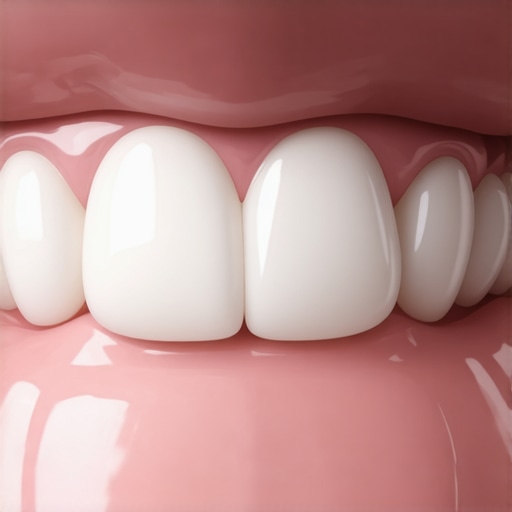
It happened during a routine family dinner. I looked in the mirror afterward and was startled—my gums, which used to be a vibrant pink, now looked noticeably pale. At first, I brushed it off as just a fleeting change, maybe from something I ate. But deep down, I sensed something was off. That little moment became a lightbulb that illuminated an ongoing concern I’ve seen in many friends and patients alike.
Understanding the Significance of Pink Gums
Why is this happening, and should I?
What I didn’t realize back then was how critical the color and health of our gums truly are. Healthy gums aren’t just a pretty smile—they’re a barometer of overall oral health. Pale or white gums can signal underlying issues like anemia, poor circulation, or even more serious infections. Recognizing these signs early can make all the difference in avoiding costly dental procedures or systemic health problems.
Did you know that anemia, a condition characterized by a deficiency in red blood cells, can cause your gums to appear paler than usual? According to the National Institute of Dental and Craniofacial Research, oral health often mirrors our overall health—making it vital to pay attention to changes like gum color.
When I first saw my own pale gums, I made a crucial mistake: I ignored it. I told myself it was nothing. But in reality, neglecting such signs can lead to more serious issues. That’s why today, I want to guide you through understanding what your gums might be telling you and how to address these concerns effectively. If you’re experiencing similar changes, keep reading—we’re about to explore practical steps to restore that natural, healthy glow.
Now, let’s delve into the reasons behind pale gums and what you can do about it to ensure your smile remains healthy and confident.
Start with a Precise Oral Inspection
Assess Your Gum Color and Texture
Recall a moment when I noticed my gums turning pale—such a subtle change can be a crucial indicator of underlying health issues. Regularly examine your gums in a well-lit mirror, looking for deviations from their normal healthy pink hue. Feel their texture; healthy gums should be firm and slightly stippled, not swollen or shiny. Using a clean finger or a mirror, gently press on your gums to check for bleeding or softness—these signs warrant further action.
Implement Effective Oral Hygiene Practices
Brush and Floss Correctly
Imagine your mouth as a garden; neglecting it allows weeds and pests to thrive. Use a soft-bristled toothbrush and fluoride toothpaste to brush at least twice daily, making gentle circular motions along the gum line to remove plaque without damaging delicate tissue. Don’t forget to floss daily—slide the floss gently between teeth, curving it around each tooth to dislodge food particles and plaque. Regular cleaning disrupts bacterial buildup and promotes pinker, healthier gums.
Adopt Nutritional Strategies for Gum Health
Boost with Vital Vitamins and Minerals
Just as a concrete foundation supports a building, proper nutrition underpins oral health. Focus on foods rich in vitamin C, like citrus fruits and leafy greens, which strengthen blood vessels and collagen in gums. Incorporate calcium-rich dairy products to fortify teeth and jawbones, preventing recession. Limit sugary snacks that fuel harmful bacteria—opting instead for crunchy vegetables like carrots and celery, which naturally clean teeth and stimulate gums. Consistent dietary choices can reverse early signs of pale or receding gums.
Schedule Professional Check-Ups Promptly
Partner with Your Dentist for Customized Care
Think of your dentist as a mechanic for your mouth—regular tune-ups prevent breakdowns. Book an appointment at least once every six months to undergo professional cleaning and assessment. During visits, your dentist can remove tartar buildup inaccessible with daily brushing and flossing, and identify early inflammation or periodontal issues. Professionals may recommend targeted treatments, such as deep cleaning or laser therapy, tailored to your specific needs. Ensuring timely intervention helps maintain vibrant pink gums and overall oral health.
Manage Underlying Conditions Diligently
If Necessary, Seek Medical Advice for Systemic Issues
Sometimes, gum discoloration reflects broader health concerns—like anemia or circulatory problems. If your efforts don’t restore normal gum color, consult your healthcare provider. Addressing conditions like iron deficiency anemia can have a profound impact on your gums’ appearance and health. Coordinated care with your doctor and dentist ensures comprehensive management, preventing minor signs from escalating into serious health issues. Remember, your oral health is intimately connected to your overall well-being.
Stay Consistent and Mindful
Build a Routine and Monitor Changes
Think of maintaining good gum health as cultivating a garden—it requires daily attention and patience. Establish a morning and evening routine for oral care and stick to it diligently. Keep a journal or take weekly photos to monitor changes in your gum appearance—pale gums today could become pink and resilient in a few weeks with proper care. Staying vigilant enables early detection and sustained improvement. Combining these steps creates a sustainable path to healthier, more vibrant gums that support your confident smile.Many people believe they understand the basics of Invisalign and family dentistry, but there are nuanced misconceptions that can hinder optimal oral health. For instance, a widespread myth is that Invisalign treatment is only for minor teeth corrections. In reality, recent advancements have expanded its application to complex cases, but not everyone is aware of this evolution. According to a study published in the Journal of Orthodontics, digital planning has made Invisalign a viable option even for more severe malocclusions, challenging the outdated belief that traditional braces are always superior for complex corrections.
Myth Busting: Invisalign Is Only for Aesthetic Improvements
This misconception can lead patients to underestimate the importance of aligning their teeth properly, which affects long-term oral health. If misalignment isn’t addressed, it can result in uneven wear, jaw pain, or even temporomandibular joint issues later in life. For a comprehensive understanding, explore how Invisalign transforms family dentistry in 2025 by visiting [this detailed guide](https://familydentistpro.com/how-invisalign-transforms-family-dentistry-in-2025).
Spotting the Common Missteps in Crown Placement
Many assume that choosing cheaper options for crowns yields similar durability as premium ones. However, a poorly fitted crown can cause ongoing issues like sensitivity, decay, or gum irritation, ultimately compromising oral health. Experts recommend consulting with a specialist who can ensure precise fit and proper material selection. For insights on selecting the best crown, see our article on [expert advice for long-lasting crowns](https://familydentistpro.com/choosing-the-right-crown-expert-advice-for-long-lasting-results).
Why Are Family Dentists Better at Detecting Systemic Health Issues?
A common oversight is believing that oral health is isolated from overall health, leading many to neglect routine check-ups. In reality, family dentists are trained to identify early signs of systemic conditions, such as diabetes or nutritional deficiencies, through oral examinations. Recognizing these signs early can be life-saving, emphasizing the importance of regular family dental visits. Want to learn more about maintaining your child’s oral health? Check out [top oral health tips](https://familydentistpro.com/top-oral-health-tips-for-your-familys-bright-smiles).
Beware of the Maintaining optimal oral health over time requires more than just good brushing habits; it demands the right tools and techniques. As a dentist dedicated to delivering lasting results, I personally rely on a combination of high-quality instruments and smart technology to keep my patients’ smiles healthy and vibrant. One essential tool I recommend is the Sonicare DiamondClean Smart electric toothbrush. Its adaptive brush head and customizable settings ensure superior plaque removal while being gentle on gums, which is crucial for avoiding recession and maintaining that healthy pink hue. Additionally, I use the Waterpik Laser Pico Water Flosser, praised for its ability to clean around braces, crowns, and dental implants effectively—areas that traditional flossing might miss. Utilizing these tools regularly can significantly reduce plaque buildup and prevent periodontal issues in the long run. Looking ahead, I believe advancements in AI-integrated oral care devices will further personalize treatments, making at-home maintenance even more effective. So, how do I maintain my patients’ oral health over time? I emphasize consistency with proven tools like electric toothbrushes and water flossers, combined with routine professional check-ups. Remember, integrating these tools into your daily routine can be transformative, especially when you commit to using them correctly. For example, pairing an electric toothbrush with a timer app ensures you brush evenly for the recommended two minutes. If you’re unsure about which tools are best suited for your needs, schedule a consultation, or visit us to explore options tailored specifically for your oral health goals. Don’t forget to check out our optimal oral hygiene tips for continuous improvement.
Over the years, one lesson has become crystal clear: our gums aren’t just a supporting role for our teeth—they’re a window into our overall health and well-being. My personal experience with noticing my own pale gums transformed how I approach oral health, emphasizing that even subtle changes deserve our attention. Recognizing and acting on these signs can save you from complex dental procedures and prevent systemic issues.
What I Wish I Knew About Gum Health Early On
- Gum color reflects more than aesthetics: Pale or discolored gums can signal underlying conditions like anemia or circulation problems. Observing your gums regularly can provide early warnings.
- Daily routines matter more than you think: Simple habits, such as gentle brushing with the right tools, make a profound difference in preventing recession and aiding healing.
- Nutrition is a game-changer: Vitamins C and calcium are vital for maintaining firm, pink gums. Small dietary adjustments can lead to big improvements.
- Professional visits are essential: Regular check-ups can catch issues before they escalate, especially conditions that subtly affect your gums and overall health.
- Listen to your body’s signals: Changes in gum color, texture, or sensitivity aren’t just surface concerns—they often indicate deeper systemic health issues that deserve medical attention.
My Favorite Tools and Trusted Resources
- Top oral health tips from trusted experts: These provide evidence-based advice on daily habits that truly work.
- Advanced crown procedures: Learning about crowns has changed how I see restorative options and their long-term benefits.
- Future of aligners in family dentistry: Staying informed about innovations helps in making proactive choices for orthodontic care.
- My go-to dental clinic: Personal visits ensure tailored care and early detection of issues that can’t be identified from home.
Your Path to Smarter, Safer Smiles Starts Today
Healthy gums are more than just a pretty smile—they’re a vital sign of your overall health. By staying observant, equipped, and proactive, you can maintain vibrant, pink gums that support your confidence and well-being. Remember, every small step taken today can lead to a lifetime of better health and happier smiles.
What subtle signs have you noticed in your own gum health? Share your experiences below—I’m here to help you navigate every step toward optimal oral wellness.