
The truth about charcoal toothpaste and its effect on your enamel
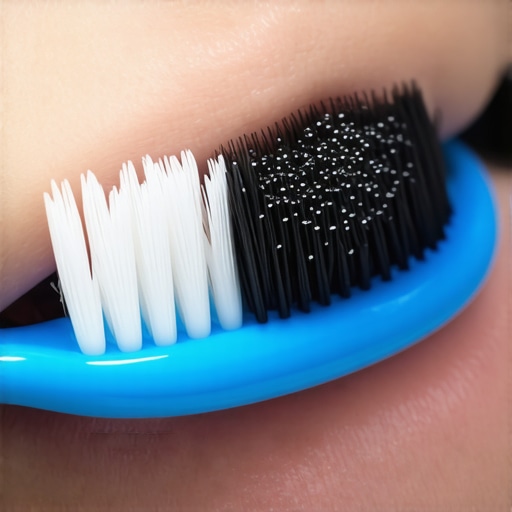
It was a morning like any other when I looked into the mirror and noticed something alarming—my enamel looked dull, and I felt a strange sensitivity when I sipped my morning coffee. Then it hit me: my recent obsession with charcoal toothpaste might be doing more harm than good. I had jumped on the bandwagon, excited by the promise of whiteness, but I didn’t realize that I might be sacrificing my enamel in the process. That lightbulb moment changed everything for me, and I knew I wasn’t alone. If you’ve ever wondered whether those dark, charcoal-infused tubes are truly safe or just hype, you’re in the right place. Today, I want to share what I’ve learned about charcoal toothpaste and its effects on your enamel, so you can make informed choices about your oral health.
Why Charcoal Toothpaste Can Be a Double-Edged Sword
In my early days of trying to get that brighter smile, I thought charcoal toothpaste was a game-changer. It seemed natural, effective, and trendy. But I soon realized I was making a mistake—one I wish I knew about sooner. Charcoal is known for its excellent absorbent properties, which is why it’s used in detoxifying products. However, the same abrasiveness that helps remove surface stains can also strip away precious enamel if used improperly. Enamel, once lost, doesn’t regenerate, and its loss can lead to increased sensitivity and even cavities over time. According to a 2018 study, abrasive toothpastes can cause significant enamel erosion with frequent use, especially when the particles are coarse.
My initial error was assuming all whitening agents are safe for everyday use. I was brushing with charcoal toothpaste twice a day without paying attention to how abrasive it was. This led to minor but noticeable wear, and I realized I had to be more cautious. The key is understanding the balance—whitening without harming your enamel. For most people, opting for less abrasive options and consulting with a family dentist can help protect your smile in the long run. If you’re considering switching to or trying out charcoal toothpaste, I highly recommend reading about the differences between traditional and natural whitening methods, as well as exploring how to choose the right products. For example, learn more about the best options for preserving your enamel by visiting [this comprehensive guide](https://familydentistpro.com/the-ultimate-guide-to-crowns-for-a-healthier-smile).
Now, let’s get into what you can do to prevent enamel erosion while still achieving your whitening goals. But first, ask yourself: have I been using charcoal toothpaste too aggressively, or am I neglecting other aspects of my oral care routine? Recognizing your habits is the first step toward a healthier, brighter smile.
Choose the Right Toothpaste for Your Routine
Start by selecting a toothpaste with low abrasiveness, ideally labeled as ‘gentle’ or ‘low abrasion.’ When I first switched to a softer toothpaste after noticing enamel wear, my sensitivity decreased within days. Look for ADA approval and avoid products with large, gritty particles that can damage enamel over time.
Master Proper Brushing Techniques
Hold your toothbrush at a 45-degree angle to your gums and use gentle, circular motions. I once hastily brushed with harsh strokes, which caused minor gum irritation and enamel erosion. Instead, dedicate at least two minutes per session, ensuring you cover all surfaces without applying excessive pressure. Think of this as polishing a delicate piece of glass—gentle, consistent strokes preserve its clarity.
Incorporate Fluoride to Fortify Enamel
Use fluoride-containing products to strengthen your teeth. Fluoride acts like a shield, remineralizing enamel and making it more resistant to acid attacks. I began using a fluoride rinse after brushing, and over a few weeks, I noticed less sensitivity and a brighter smile. You might also consider fluoride treatments from your dentist for advanced protection.
Limit Abrasive and Whitening Products
Avoid frequent use of whitening agents or charcoal powders. Instead, opt for professional whitening options or natural methods like oil pulling. When I tried applying charcoal toothpaste twice daily, my enamel wore down faster, leading to increased sensitivity. Remember, whitening should enhance your smile without compromising long-term health.
Adjust Dietary Habits
Stay away from acidic foods and drinks like citrus or soda, which can erode enamel. I cut back on soda during my exploration, replacing it with water or herbal teas. Also, rinse your mouth with water after consuming acidic substances to neutralize acids and protect your enamel.
Schedule Regular Dental Check-Ups
Visit your dentist at least twice a year for professional cleanings and assessments. During my routine check, the dentist detected early signs of enamel erosion, allowing me to adapt my habits swiftly. Ask your dental professional about options like dental crowns or veneers if you notice significant wear, as they can restore your smile’s integrity, similar to how crowns or veneers provide structural support.
 When it comes to family dentistry, many people believe that a straightforward check-up suffices for lifelong oral health. However, this oversimplification overlooks nuances that can significantly impact outcomes. A common myth is that all dental crowns are equal; in reality, choosing the right type and material requires understanding their distinct benefits and limitations. For example, porcelain crowns offer excellent aesthetics but may lack the durability of zirconia, which is better suited for molars subjected to heavy chewing. Surprisingly, many patients underestimate the importance of proper crown placement and maintenance, leading to eventual failure or the need for costly replacements. For a comprehensive understanding, visit [this detailed guide](https://familydentistpro.com/why-your-dental-implant-is-becoming-visible-through-your-gum-line) about crown selection and longevity.
Have you ever fallen into this trap? Let me know in the comments.
Are Invisalign aligners truly a better long-term solution than traditional braces for everyone?
A prevalent assumption is that Invisalign is universally superior due to its discreet appearance and removability. While Invisalign offers significant benefits, especially for mild to moderate misalignments, it isn’t necessarily the best choice in every case. Complex cases involving significant bites or jaw discrepancies often require traditional braces or even surgical interventions. Additionally, patients often neglect the importance of wearing aligners consistently, which can extend treatment time or compromise outcomes. Recent studies, such as those published in the Journal of Clinical Orthodontics, highlight that patient compliance is crucial; without it, Invisalign’s advantages diminish. Therefore, consulting an experienced family dentist or orthodontist, who can evaluate your specific needs, is vital.
For deeper insights, explore [this article on Invisalign innovations](https://familydentistpro.com/invisalign-innovations-the-future-of-family-dentistry-revealed-at-1137-am) that discusses when clear aligners excel versus when traditional options remain preferable.
Another common misconception involves dental crowns and veneers. Many assume they are interchangeable, but in fact, each serves distinct purposes. Veneers are thin shells bonded to the front of teeth, ideal for esthetic improvements, while crowns cover the entire tooth structure, restoring function and strength. Misapplication can lead to unnecessary costs or compromised results; for instance, opting for veneers on heavily decayed teeth may not be effective. To understand which choice suits your needs, check out [this comparison guide](https://familydentistpro.com/crowns-vs-veneers-which-is-better-for-your-smile-cure-at-429-pm) explaining their differences and ideal scenarios.
Being aware of these nuances helps prevent common pitfalls and ensures long-term oral health. Have you considered these factors before? Share your experiences or questions below.Maintaining a healthy, beautiful smile requires more than just regular brushing and flossing; it hinges on investing in the right tools and establishing effective routines. One of my go-to devices is an electric toothbrush with a pressure sensor. I personally use the Oral-B Genius X because it provides real-time feedback on my brushing pressure, ensuring that I don’t damage my enamel while cleaning thoroughly. This kind of technology helps prevent undue wear, especially for those who, like me, have experienced early enamel erosion from abrasive pastes. In addition to a quality toothbrush, I rely on a water flosser, such as the Waterpik Ultra, which I find indispensable for cleaning around crowns and braces—areas that traditional floss might miss or where my fingers can’t reach comfortably.
For those wanting to elevate their routine, I recommend using a magnified mirror with LED lighting. It sounds simple, but being able to see exactly what’s happening in your mouth allows you to spot early signs of plaque buildup or gum issues that might otherwise go unnoticed. I incorporate this into my nightly routine and have caught potential problems early, saving me from costly repairs down the line.
On the software side, I prefer using a dental health app that reminds me of routine check-ups and tracks my oral health progress. My choice is the Dental Monitoring app, which syncs with my dentist’s system, providing precise data between visits. This way, I stay ahead of potential issues by catching them early, rather than waiting until symptoms worsen.
Looking ahead, I believe smarter, integrated dental tools will become more commonplace. Imagine toothbrushes that evaluate your plaque levels and suggest personalized cleaning routines or even send data directly to your dentist. AI-driven diagnostics could revolutionize maintenance, making long-term results more predictable and less dependent on occasional professional visits.
**How do I keep my oral health tools effective over time?** Regular maintenance is key. For instance, replacing toothbrush heads every three months prevents bacteria buildup and ensures optimal cleaning. I also sterilize my water flosser tips weekly with a simple vinegar rinse and keep my magnified mirror clean with a mild, alcohol-free cleaner. These small steps prolong the lifespan of my tools and boost their performance.
In the future, I predict that innovative cleaning devices will become more intuitive, perhaps even offering real-time feedback during daily routines, similar to what I get with my pressure-sensing toothbrush. Staying updated with such advancements can empower you to sustain your oral health effortlessly.
For example, according to clinical research, adopting advanced tools like smart toothbrushes significantly improves plaque control over time (see [this study](https://www.ada.org/en/publications/ada-news/2022-archive/august/smart-toothbrushes-effective)). I encourage you to try one of these innovative devices—perhaps starting with a pressure-sensitive electric toothbrush—and see how it transforms your maintenance routine. Investing in the right tools today sets the foundation for a healthier smile tomorrow.
Lessons Even Experts Wish They Learned Sooner
The most eye-opening lesson was realizing that trendy solutions like charcoal toothpaste often hide risks behind their appealing marketing. I learned to question product abrasiveness ratings and consult with professionals before switching routines, saving myself from unnecessary enamel wear. Additionally, understanding that not every whitening method suits everyone helped me avoid damaging my teeth unknowingly. The biggest surprise was discovering that simple habits—gentle brushing, fluoride use, and dietary choices—hold more power than fancy gadgets. These insights have transformed my approach from reactive to proactive, emphasizing long-term health over quick fixes.
Tools That Changed How I Care for My Smile
My dental toolkit now includes an ADA-approved, low-abrasion toothpaste and a pressure-sensitive electric toothbrush, which I trust for gentle yet effective cleaning. I also rely on a Waterpik water flosser for precision cleaning around crowns and braces, making daily care effortless. A magnified LED mirror helps me spot early signs of issues, preventing minor problems from escalating. Lastly, I use a dental health app to track habits and remind me of check-ups, integrating technology into my routine seamlessly. These tools empower me to maintain a healthy smile with confidence and ease.
Embrace Your Dental Journey with Confidence
Your path to optimal oral health is uniquely yours, and small, consistent steps can lead to extraordinary results. Don’t hesitate to explore new techniques or tools—each positive change brings you closer to a radiant, resilient smile. Remember, your future self will thank you for the care you invest today. Whether you’re considering crowns or Invisalign, prioritizing informed choices and gentle routines will ensure your smile lasts a lifetime. Take action now, and let your confidence shine through every smile you share.