
Why your porcelain veneers look opaque instead of natural
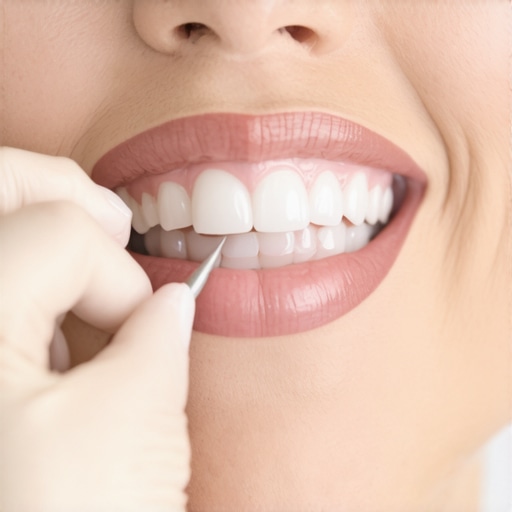
I’ll never forget the first time I smiled after getting my porcelain veneers. Instead of that radiant, natural glow I expected, I was greeted with a dull, almost chalky appearance. It was like I had replaced my bright smile with a set of shiny plastic teeth. That lightbulb moment made me realize: not all veneers are created equal, and sometimes, they look more artificial than real.
What Makes Porcelain Veneers Look Opaque Instead of Natural?
If you’ve ever felt disappointed with your smile because your veneers seem to lack that genuine translucency, you’re not alone. Many folks face this issue early on, often wondering what went wrong. The truth is, there are several factors at play, from material choices to finishing techniques. But understanding why this happens is the first step to achieving a smile that genuinely looks like your own.
Is the Material Quality to Blame?
One common mistake I made early was assuming all porcelain is the same. Turns out, the quality of the material greatly influences how natural your veneers will appear. Lower-quality porcelain often results in a more opaque, less lifelike look. High-grade, translucent porcelain mimics natural enamel better and allows light to pass through, giving your smile that authentic glow.
According to a study published in the Journal of Esthetic & Restorative Dentistry, using high translucency porcelain significantly enhances the natural appearance of dental restorations (source).
Are Placement and Finishing Techniques Making a Difference?
Even with premium materials, improper bonding or insufficient polishing can cause veneers to seem dull and opaque. Initially, I overlooked the importance of meticulous finishing and polishing, which are crucial to achieving that glassy, natural effect we all want. Working with a skilled cosmetic dentist ensures these details are handled correctly, transforming a good veneer into a great one.
Stay with me, because in the upcoming sections, I’ll guide you through practical steps to troubleshoot and enhance your veneers’ appearance, so you can smile confidently without that artificial look lingering. If you’re tired of feeling self-conscious about your smile, or just curious about how to get that natural translucency, keep reading! For more insights, you might want to explore how veneers compare to crowns or the latest family dentistry trends at this link.
Choose High-Quality Materials with Precision
Start by selecting high-translucency porcelain that mimics real enamel. During my own comeback to natural-looking veneers, I emphasized this step by consulting with my dentist about material grades. This choice allows light to pass through, avoiding the dull, opaque appearance many veneers exhibit when inferior materials are used. High-grade porcelain is a worthy investment for a more authentic smile, and professionals often recommend brands proven for their translucency and durability, which you can learn more about in this resource.
Work Closely with Your Dentist on Placement Techniques
Effective placement is crucial. During my procedure, I watched the dentist meticulously bond each veneer, ensuring no air bubbles or excess cement marred the translucency. Proper adhesion not only secures the veneer but also prevents dullness caused by improper bonding. Ask your dentist about their bonding protocols—this step can make or break the natural look of your restoration. Remember, the application process is as important as the material itself.
Master the Finishing Process for a Glass-Like Surface
Polishing and finishing play pivotal roles. I once watched a technician carefully polish the veneers with diamond burs and polishing pastes, transforming a rough surface into a smooth, reflective one. This step enhances light reflection, giving a vibrant glow. Never underestimate the value of a professional polishing session—it ensures the surface mimics natural enamel, avoiding the plastic-like dullness that can occur with hurried or subpar finishing. The detailed work can be the difference between a veneer that looks artificial and one that blends seamlessly.
Maintain Your Veneers with Proper Care
Proper aftercare is essential to sustain their natural appearance. Avoid abrasive toothpaste that can scratch the surface, and consider regular check-ups to catch any issues early. If you notice dullness or discoloration, consult your dentist—sometimes, a simple polishing session can restore that glass-like finish. Incorporate good oral hygiene practices, such as flossing and avoiding stain-causing foods, to prolong the translucency and luster of your veneers.
Address Challenges Early to Preserve Natural Charm
If imperfections like dullness or opacity appear, don’t delay professional assessment. Sometimes, minor adjustments or re-polishing can dramatically improve the look. During my experience, a quick visit to my dentist after a few months helped revive my veneers’ translucency. Remember, maintaining the natural charm of your smile is an ongoing process, relying on both proper initial execution and consistent care.
By selecting quality materials, working with skilled professionals on placement and finishing, and adhering to good maintenance routines, you can significantly improve the chances of your veneers looking genuinely natural. For a deeper understanding of how these techniques integrate with overall oral health, explore latest family dentistry trends to stay informed about modern advancements that support beautiful, healthy smiles.
Challenging the Myths About Modern Dental Treatments
Many patients walk into dental offices with preconceived notions about treatments like Invisalign, crowns, and general oral care. While these perceptions are often shaped by marketing or anecdotal stories, they frequently miss essential nuances that can influence the success and satisfaction of your dental journey. Let’s dig deeper into some prevalent misconceptions and uncover what truly matters in advancing your oral health.
Is Invisalign Just Cosmetically Better Than Braces? Think Again.
Everyone assumes Invisalign is the ultimate solution for straightening teeth because it’s less noticeable. However, in my experience, this isn’t always the case. Invisalign works best for mild to moderate misalignments but may falter with complex cases requiring significant rotations or vertical movements. Moreover, compliance is critical; wearing aligners consistently is a common oversight that compromises results. Studies, such as one published in the American Journal of Orthodontics & Dentofacial Orthopedics, demonstrate that improper usage can lead to subpar outcomes (source). Always consult a specialist to see if Invisalign matches the complexity of your case.
Beware of the Overlooked Pitfalls of Dental Crowns
Many believe that crowns are just about restoring tooth function. While they excel at that, overlooked factors like crown design and material translucency can turn a beneficial treatment into an aesthetic disappointment. For example, using opaque or poorly fitting crowns can make your smile appear unnatural or cause early deterioration. Additionally, many don’t realize that crowns require precise preparation—failure here can lead to microleakage or sensitivity. You can learn about innovations in crown technology that enhance both durability and appearance at this resource.
Family Dentistry Is Just About Routine Cleaning
Contrary to popular belief, family dentistry isn’t limited to cleanings and check-ups. It involves a comprehensive approach to all ages, addressing everything from orthodontics to preventive strategies tailored to the entire family. A common mistake is undervaluing early intervention in children’s developing bites or delaying restorative work until problems become painful or severe. Staying ahead with the latest trends—like minimally invasive techniques or digital diagnostics—can significantly improve outcomes. For an overview, explore the latest family dentistry advancements.
Must-Know How Misunderstanding Leads to Real Risks
What’s often overlooked is that misconceptions may lead you to choose the wrong treatment or delay necessary care, resulting in more complex, costly, and even invasive procedures later. For instance, assuming that Invisalign can fix all alignment issues might cause you to ignore when a crown or surgical intervention is actually necessary. Recognizing these nuances ensures you make informed decisions aligned with your long-term health. Consulting with experienced professionals—like those at our clinic—is crucial to avoid these pitfalls.
Remember, understanding what truly works versus popular myths is key to maintaining a healthy, confident smile. Have you ever fallen into this trap? Let me know in the comments and share how you navigated it. Knowledge is power when it comes to oral health!

Keep It Working: Tools I Recommend for Lasting Oral Health
Maintaining your smile’s health and appearance requires more than just good habits; it involves selecting the right tools to support long-term results. From specialized equipment to software that enhances your dental care journey, having the right resources can make all the difference. In my experience, investing in quality tools not only simplifies routine maintenance but also ensures you get the most out of your treatments like Invisalign and crowns.
Invest in a Professional-Grade Oral Irrigator
I’ve found that a high-quality oral irrigator, such as the Waterpik
Ultra, is invaluable for maintaining the health of crowns and veneers. Unlike standard flossing, this device effectively cleans around difficult-to-reach areas, reducing plaque build-up and preventing decay under restorations. Its pulsating water stream disrupts biofilm, which is crucial for preventing long-term issues like microleakage, and ultimately prolongs the lifespan of your dental work. Regular use, combined with proper brushing, helps keep restorations looking natural and functioning optimally.
Use an LED Curing Light for Touch-Ups at Home
While professional dental clinics use advanced curing lights, some innovative LED devices designed for home use now enable patients to perform minor touch-ups effectively. These tools, like the Dental LED Light Pen, allow you to reinforce bonding or touch up minor chips without immediate dental visits. According to a study in the Journal of Esthetic & Restorative Dentistry, proper curing is essential for the longevity of resin-based restorations (source), and having a reliable, user-friendly curing light can support ongoing maintenance, especially if you are cautious about preserving long-term aesthetics.
Leverage Digital Appointment Management Software
Staying consistent with check-ups is vital, and using software like Dentrix Ascend or Curve Dental can streamline your scheduling process. These platforms send reminders, track your treatment history, and help you communicate seamlessly with your dental team. Not only does this prevent missed appointments, but it also encourages proactive care, catching issues like early crown deterioration or aligner flaws before they escalate. Embracing technology like this empowers you to take control of your oral health and maintain your smile’s brilliance over time.
Anticipate Trends in Dental Care Tools
Looking ahead, the integration of artificial intelligence with diagnostic devices promises to revolutionize long-term dental maintenance. AI-powered intraoral scanners and imaging systems are becoming more accessible, enabling both dentists and patients to monitor oral health with greater precision. As these innovations become mainstream, I expect a future where remote monitoring and personalized care plans significantly enhance the durability of treatments such as crowns, veneers, and Invisalign aligners. Staying informed about these advancements—like the latest in Invisalign innovations discussed here—can help you leverage cutting-edge tools for your benefit.
How do I maintain my dental tools over time?
Proper cleaning and routine calibration are key to ensuring your tools remain effective. For example, regularly descale water flossers and replace LED tips as recommended by manufacturers prevent buildup and maintain performance. Storage in a dry, clean environment protects sensitive electronics, and following manufacturer guidelines—often detailed in product manuals—extends their lifespan. Staying proactive with maintenance ensures that your investment continues to support your oral health at the highest standards.
Finally, don’t hesitate to try integrating one of these advanced tools into your routine. For instance, incorporating a professional-grade irrigator can drastically improve flossing efficiency around crowns and aligners. Remember, consistent use of reliable, scientifically-backed equipment is a cornerstone of long-term success in dental care. To explore more about innovative solutions that support your journey, reach out to your dental provider through this contact page and ask about personalized recommendations.
After my journey with porcelain veneers, I learned that the art of a natural-looking smile hinges on much more than just choosing the right material. The true magic lies in the details— FROM selecting high-translucency porcelain to perfecting placement and finishing techniques. My experience taught me that patience, collaboration with a skilled dentist, and a keen eye for quality make all the difference. Remember, your smile is a reflection of your confidence and personality; investing in its natural appearance is a gift only you can give yourself.
Lessons No One Tells You About Veneer Success
- Choose Quality Over Cost: Low-quality porcelain or rushed finishing can make your veneers look artificial. Always prioritize high-translucency materials that mimic enamel’s depth.
- Collaborate Closely: Your dentist’s expertise in bonding and polishing directly affects how natural your veneers appear. Don’t hesitate to ask about their techniques and compare before making a decision.
- Post-Procedure Maintenance: Proper care, like avoiding abrasive toothpaste and regular check-ups, sustains the translucency and vibrancy of your smile. Small investments in tools like professional-grade irrigators can greatly extend the lifespan of your veneers.
- Beware of Myths: Believing that all veneers are the same or that they don’t require special care can lead to disappointment. Staying informed helps you make choices aligned with genuine quality and longevity.
Tools and Resources I Faithfully Rely On
- High-Quality Porcelain Brands: I trust brands with proven translucency like IPS e.max, which offer natural aesthetics and durability.
- Professional Dental Equipment: Using diamond burs and polishing pastes ensures a smooth, reflective surface that mimics natural enamel.
- Reliable Oral Care Devices: An irrigator like Waterpik Ultra keeps around veneers and crowns clean, preventing plaque build-up and discoloration.
- Educational Content: Staying updated with resources like this guide empowers me to understand advancements and make informed decisions about my smile.
Your Bright Future Starts Today with a Natural Smile
Achieving that genuine, radiant smile with veneers is a journey rooted in knowledge, patience, and partnership with your dentist. Don’t settle for an artificial look—embark on the path to authentic beauty and confidence. Your smile is a powerful statement; make it one that truly reflects who you are. Now, I challenge you: what small step will you take today to enhance your smile’s natural charm? Share your plans below—I’d love to hear your story.