
Why your new filling feels high when you bite down on the left side
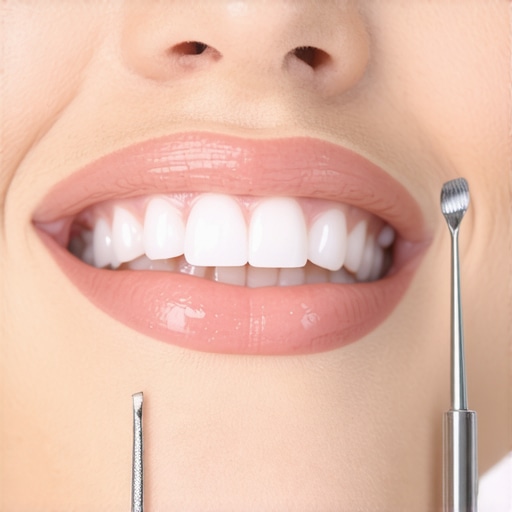
Ever had that moment in the dental chair where your new filling feels like a mountain on the left side of your mouth? I remember sitting there, biting down softly, only to realize that one side felt oddly different—like the filling was taller than the surrounding teeth. That lightbulb moment made me wonder: Why does this happen, and more importantly, how can I fix it?
In this post, we’re going to explore the reasons behind a high filling and, more importantly, what you can do about it. If you’ve ever experienced discomfort or an uneven bite after getting a filling, you’re not alone, and there’s a lot you should know to prevent or resolve this pesky issue.
Understanding the Root Cause of a High Filling
What causes your new filling to feel higher than your other teeth?
A common mistake I made early on was assuming that the dentist would perfectly sculpt my filling on the first try. Turns out, dental restorations like fillings often require fine-tuning. When a filling feels high, it’s usually because during placement, the filling material was slightly overbuilt, or the bite isn’t perfectly adjusted. Sometimes, your natural bite can shift slightly after procedures, leading to an uneven feel.
The process of adjusting your bite involves carefully polishing and sometimes trimming the filling, which your dentist can handle comfortably. However, if this is overlooked, it can result in a persistent high spot, causing discomfort or even uneven wear over time.
It’s also worth noting that a high filling might cause your jaw to compensate by shifting your bite, leading to muscle strain or discomfort. This is why prompt attention and correction are crucial.
Why Fixing Bite Issues Early Matters
Many people underestimate the importance of resolving a high filling promptly. Not only can it cause discomfort, but an uneven bite may lead to other oral health issues, including jaw pain, tooth sensitivity, or even damage to neighboring teeth. That’s why, if you notice any discomfort or unusual sensation after a restoration, it’s wise to consult your dentist promptly.
If you’re curious how a high filling can impact your long-term oral health, check this detailed explanation on [why crowns are a game-changer in restorative dentistry](https://familydentistpro.com/why-crowns-are-a-game-changer-in-restorative-dentistry). A proper adjustment ensures your restored tooth functions harmoniously with your bite for years to come.
Have you experienced a high filling or bite discomfort after your last dental visit? If so, understanding the causes and acting quickly can save you unnecessary pain and cost. Next, we’ll dive into the practical steps you should take if you find yourself in this situation. Stay tuned—you’re about to learn how to get that perfect, even bite you’ve been longing for.
Identify the Exact Spot
Start by checking your bite in a mirror or asking a trusted family member to help. When you gently bite down, note where the filling feels higher—usually on the side or back of your mouth. I once experienced this myself after a filling and used a mirror to point out the exact high spot, which made the next steps more targeted.
Schedule a Prompt Dental Visit
Contact your dentist immediately to get it professionally evaluated. Most family dentists have the tools to adjust your filling safely. Over-the-counter fixes aren’t recommended, as improper trimming can cause damage or further discomfort. I learned this the hard way when trying a DIY approach—sometimes, the best fix is the one done by a professional.
Understanding How Your Dentist Adjusts Your Filling
The dentist will use a fine-grit bur or polishing tool to carefully trim and smooth the high spot. Think of it like sanding down a rough piece of wood—you want a seamless fit without removing too much material. During my appointment, the dentist gently tested my bite after each adjustment until it felt even, preventing future discomfort.
Implementing Bite Adjustment Techniques
Ask your dentist if they perform selective polishing or micro-trimming. The goal is to bring the filling’s height in line with surrounding teeth without compromising strength. I watched as the dentist used a mirror and a small tool to visualize the bite, comparable to fine-tuning a musical instrument for harmony.
Post-Adjustment Care
After the fix, avoid hard, sticky, or chewy foods for a few hours. If you notice any persistent discomfort or unevenness, revisit your dentist. Regularly check your bite at home by gently biting into your foods and feeling for smoothness. During my own adjustment, I made a habit of gentle bite tests to ensure lasting comfort, which prevented me from returning for unnecessary corrections.
Prevent Future High Fillings
Discuss with your dentist the possibility of using advanced techniques like digital bite analysis or 3D imaging. These can improve the accuracy of restorations. If you’ve experienced repeated high fillings, consider asking about crown options, which can offer a more durable and precisely fitted solution—learn more about these options in this comprehensive guide on crowns.
Many believe they understand the essentials of orthodontics and restorative dentistry, but in reality, several misconceptions persist among even seasoned patients. For instance, a common myth about Invisalign is that it’s only suitable for minor misalignments. However, recent studies, such as by the American Association of Orthodontists, show that advancements in aligner technology now allow Invisalign to effectively treat complex cases, challenging outdated beliefs. Similarly, many assume that traditional crowns are purely cosmetic solutions; in fact, crowns are pivotal for restoring function and preventing further decay, especially in heavily damaged teeth. But here’s where the trap lies: patients often overlook the importance of choosing an experienced dentist for crown placement. An improper fit can lead to issues like micro-leakage or longevity problems, as emphasized in expert reviews. On a broader scale, the misconception that oral health is solely about teeth neglects the systemic connections—gums and牙齿 health directly influence heart health, as highlighted by recent periodontal research.
Are All Dental Restorations Created Equal, or Do You Need Expert Guidance?
The answer is, undoubtedly, the latter. Selecting the right materials or procedures depends on nuanced factors like bite dynamics, enamel quality, and even your lifestyle. Would you trust a general contractor to build a skyscraper? Probably not. Similarly, for durable, health-oriented outcomes, consulting with a specialist can make a world of difference. For example, opting for a high-quality crown from a dentist experienced in advanced materials could significantly extend its lifespan—more details can be found in this guide. Moreover, understanding the subtle distinctions between different oral health treatments helps prevent common pitfalls—like choosing a DIY whitening kit that can damage enamel. So, what are some hidden nuances you might be missing? One is the role of soft tissue management; healthy gums are just as critical as clean teeth, and neglecting this can compromise your overall oral health. 
Why Digital Bite Analyzers Are Game-Changers
For ongoing maintenance, I recommend investing in digital bite analysis systems such as T-Scan. These devices provide real-time data on your bite force distribution, helping to identify uneven pressure points that may lead to wear, TMJ issues, or high fillings. Using this technology during routine check-ups enables me to tailor treatments precisely, ensuring restorations like crowns or Invisalign appliances function harmoniously with your natural bite. As the trend leans toward personalized dentistry, tools like T-Scan are becoming indispensable for predicting long-term results more on crowns. To maintain your bite health over time, I recommend scheduling regular assessments with such technology, especially if you notice discomfort or uneven wear. Implementing these tools can prevent costly repairs down the line and optimize your oral health outcomes.
Scaling Up Your Home Routine with Precision Tools
While professional equipment is critical, your daily routine also benefits from specialized tools. For example, an electric toothbrush with sonic technology like the Philips Sonicare is excellent for removing plaque more effectively than manual brushes. I personally swear by the Sonicare DiamondClean because it offers multiple modes tailored for whitening, gum care, and cleaning, ensuring comprehensive oral hygiene. Pairing this with interdental brushes or water flossers such as the Waterpik can dramatically improve interdental cleaning, reaching areas traditional brushing might miss. This combination not only preserves your existing crowns and veneers but also minimizes the risk of developing new cavities. As technology advances, future innovations like AI-powered toothbrushes that adapt to your brushing habits are predicted to redefine home care standards more about Invisalign tech. To keep your oral health in check, integrate these advanced tools into your routine and schedule biannual professional cleanings, where I can use state-of-the-art instruments to monitor your progress.
Lessons That Transformed My Approach to Dental Care
One of the most profound insights I gained was realizing that even small details in restorations, like a high filling, can significantly impact comfort and long-term health. Waiting too long to address minor bite issues often led to more complicated problems down the line, teaching me that early intervention is vital. I also learned that trusting the right technology, such as digital bite analyzers, makes a difference in achieving precise, lasting results. Lastly, understanding that each smile is unique reinforced the importance of personalized care over generic solutions, ultimately helping me guide patients better.
My Go-To Resources for Smarter Smile Maintenance
For anyone serious about maintaining optimal oral health, I recommend exploring this comprehensive guide on crowns to understand material choices and longevity strategies. Employing advanced tools like the latest Invisalign innovations keeps my practice at the forefront of orthodontic advancements. I also trust reputable sources like top oral health tips to stay updated on holistic family care. These resources help me continually improve my practice and provide patients with reliable, modern solutions.
Embrace Your Power to Enhance Your Smile Today
Remember, achieving the smile you desire is within your reach by staying informed, choosing expert guidance, and leveraging the right tools. Every effort counts—your commitment to proactive dental health can lead to lifelong confidence and well-being. Don’t wait for issues to escalate; take charge now and enjoy the benefits of a harmonious, pain-free bite. Your journey toward a healthier, brighter smile starts with the next decision—make it count.