
The truth about fruit snacks and their impact on childhood dental health

I vividly remember the moment I looked into my child’s mouth after a snack time—tiny sticky remnants clinging to their teeth, a slight grimace on their face. It hit me: those colorful, seemingly harmless fruit snacks might be doing more harm than I realized. That lightbulb moment revealed a startling truth about childhood treats and our ongoing battle to protect little smiles in a busy family life.
Why Fruit Snacks Can Be a Sneaky Threat to Your Child’s Teeth
Many parents assume that because fruit snacks are marketed as a healthier alternative to candies, they must be safe for developing teeth. But in reality, these snacks are often loaded with added sugars and sticky ingredients that cling to tooth surfaces, creating the perfect environment for decay. The sugars feed harmful bacteria in the mouth, leading to plaque buildup and cavities, especially when proper brushing is neglected after snacks.
Early on, I made the mistake of allowing unlimited access to fruit snacks without considering their impact. I didn’t realize that their chewy consistency prolongs exposure to cavity-causing sugars. According to the American Dental Association, sticky foods can stay on teeth longer, increasing the risk of decay. This revelation pushed me to learn more about how diet choices influence oral health, especially during those critical childhood years.
Is the Hype Around Fruit Snacks Justified, or Overrated?
It’s common for parents to wonder if focusing solely on sugar content is enough or if the marketing pressure is just too much. Honestly, I used to brush off concerns, thinking a quick rinse or brush later would suffice. But I learned the hard way that preventive measures need to be proactive, not reactive. It’s vital to understand real impact—so I started exploring expert advice and found that making small but meaningful changes can preserve those precious teeth for a lifetime.
If you’ve ever wondered whether your child’s favorite snacks are contributing secretly to dental issues, you’re not alone. Many families face this challenge, and recognizing the problem is the first step toward smarter choices. Want to discover more about how to keep your family’s teeth healthy? Check out top oral health tips for your family’s bright smiles and start making impactful changes today.
Stay tuned—next, we’ll go through practical strategies to combat these hidden dangers and protect your child’s smile from within.
Limit Sticky Snacks and Establish Rigid Routines
First, cut down on sticky treats like fruit snacks and caramel candies. I remember one hectic afternoon when I packed healthy nuts instead of fruit snacks for my kid’s snack box—initially thought it would be a challenge, but within a week, I noticed fewer complaints about tooth discomfort. To reinforce this habit, set specific snack times and stick to consistent routines, reducing impulsive bites that linger and cause damage.
Encourage Proper Post-Snack Oral Hygiene
Immediately after snacks, instruct your child to brush or rinse with water. I introduced a fun brushing song, making it easier for my toddler to comply. I found that brushing for two minutes with a fluoride toothpaste removes residual sugars effectively, preventing decay. If brushing isn’t possible, at least swish water vigorously—this mechanical action dislodges particles and lessens acid attack on enamel.
Use Fluoride and Dental Sealants as Safeguards
Applying fluoride enhances enamel resistance, much like giving your child’s teeth a protective armor. During my child’s last check-up, our dentist recommended fluoride varnish, which we schedule every six months. Sealants act as physical barriers over molars, sealing out bacteria and food debris. Book routine family visits at https://familydentistpro.com/top-oral-health-tips-for-your-familys-bright-smiles to stay ahead of potential issues and discuss these preventive options.
Adjust Diet to Support Oral Health
Swap sugary snacks with cheese, nuts, or fresh vegetables. I began offering apple slices with peanut butter—an appealing combo that stimulates saliva production and neutralizes acids. Remember, a balanced diet rich in calcium and vitamins supports healthier teeth and gums. Keeping a food diary helped my family track and reduce sugar intake—acting as a visual cue to stay committed.
Involve Your Child in Dental Hygiene Enjoyment
Make oral health fun and engaging. I turned brushing into a game, rewarding my daughter with stickers for brushing thoroughly. Introducing flossing with colorful picks captivates her attention, making daily routines less of a battle. When children participate actively and feel in control, they develop lifelong habits that shield their teeth from sticky, cavity-causing treats.
Seek Professional Advice for Personalized Care
Regular dental checkups are essential. I scheduled a consultation with our family dentist, which uncovered early signs of enamel erosion. The dentist advised additional protective measures such as custom fluoride trays, especially during periods of increased sugar intake. Visiting https://familydentistpro.com/family-dentistry-secrets-maintaining-oral-health-with-modern-techniques-at-254-pm can give you insights into modern preventive strategies tailored for your family’s needs.
Stay Consistent in Implementing Changes
Consistency is key. I established a ‘No Candy Weekend’ policy, which was initially resisted but ultimately embraced by my children. This break from sugary treats allows their teeth to recover and reduces the overall sugary load. Over time, these consistent habits significantly lowered the incidence of cavities and strengthened their dental health.
Transforming snack habits demands deliberate effort but yields lasting benefits. Every small step, from choosing less sticky foods to engaging children in hygiene routines, builds a resilient defense against dental decay, securing their radiant smiles for years to come.
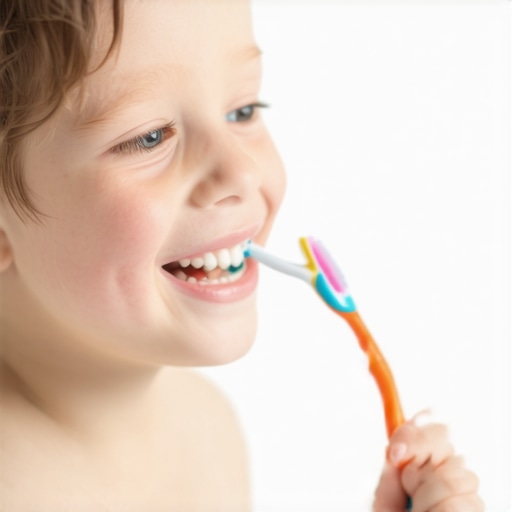
Many individuals believe they understand the fundamentals of dental care, but beneath the surface lie nuanced misconceptions that can compromise long-term oral health. Contrary to popular belief, not all dental treatments are straightforward, and some widely accepted practices may inadvertently lead to complications. Recognizing these subtleties is essential for both patients and practitioners aiming for excellence in dental wellness.
Are Dental Crowns Always a Reliable Solution? Think Again.
While crowns are often seen as the ultimate fix for damaged teeth, over-reliance on them without understanding their limitations can be problematic. For instance, choosing the wrong type of crown or neglecting proper preparation can result in decay beneath the restoration, ultimately causing more harm than good. A recent study published in the Journal of Prosthodontics emphasizes that material selection and precision in placement are critical for longevity. Visit this resource for insights on choosing durable crowns and avoiding common pitfalls.
Moreover, many presume that crowns are permanent fixes, but in reality, they require meticulous maintenance and regular check-ups. Ignoring early signs of failure may lead to more invasive procedures down the line. Understanding the nuances—such as the importance of proper cementation and occlusion adjustments—can dramatically increase the lifespan of restorations.
Invisalign’s Promise Versus Reality
Invisalign has revolutionized orthodontic care, yet misconceptions persist. The popular belief that Invisalign is only suitable for minor misalignments is misleading. In fact, with advancements like SmartTrack technology, Invisalign can effectively address complex malocclusions, but only when used correctly under expert guidance. An article on Invisalign myths clearly outlines what advanced cases entail and how treatment planning plays a vital role.
One common trap is believing that Invisalign trays can be worn haphazardly or without proper monitoring. This often results in subpar outcomes or prolonged treatment times. It’s vital to realize that the success of Invisalign depends heavily on precision, compliance, and understanding individual bite mechanics. Moreover, some patients overlook the importance of complementary treatments such as retainers and refinements, which are crucial for stable long-term results.
Why Many Overlook the Power of Family Dentistry Innovations
Family dentistry isn’t just about routine cleanings; it’s where modern technology transforms patient outcomes. Many assume that traditional methods are enough, but integrating innovations like laser therapy or digital impressions significantly enhances comfort and accuracy. According to experts in family dentistry, staying updated with current tech is key to preventing complications before they escalate.
Failing to adapt can be a costly mistake, especially considering that early detection of issues such as micro-cracks or early decay often relies on high-resolution imaging and other advanced diagnostics. Recognizing the importance of these innovations can empower patients to seek proactive care, rather than reactive fixes.
Have you ever fallen into this trap? Let me know in the comments and share your experiences with any overlooked nuances in dental care. Remember, understanding the deeper layers of dental treatments enables you to make smarter decisions that protect your smile for years to come. For comprehensive guidance, don’t hesitate to explore top oral health tips for your family’s bright smiles.
How do I maintain my dental work and oral health over time?
Ensuring your dental restorations, such as crowns and Invisalign aligners, remain effective requires some dedicated tools and consistent routines. Personally, I rely heavily on high-quality interdental brushes, like the Hydrion Interdental Cleaners, which allow me to reach into tight spaces that standard floss can’t. These brushes are especially helpful in maintaining the integrity of crowns and veneers by preventing plaque buildup at the margins. In addition, I use an ultrasonic toothbrush such as the Philips Sonicare DiamondClean Smart, which provides advanced sonic technology to effectively remove plaque and debris with minimal effort. The consistent use of such devices makes a real difference in long-term health and comfort.
Moreover, I incorporate digital dental health monitoring apps like Dental Monitoring, which sync with my dental practice’s system. These apps enable professionals to track progress remotely, facilitate timely adjustments, and catch potential issues before they become problems. They help me stay proactive about my oral health, especially when managing complex cases like Invisalign treatment, where regular check-ins are crucial.
As technology advances, I predict that remote monitoring tools and AI-driven diagnostics will become standard in family dentistry, making maintenance more efficient and personalized. Staying ahead of potential issues with these tools can save time, money, and discomfort in the future.
In what ways can you keep your dental work in top shape for years?
Routine maintenance involves scheduled professional cleanings and check-ups, which are vital. During these visits, dentists often use diagnostic tools like intraoral cameras and digital X-rays, which provide detailed views of hard-to-see areas. Regularly inspecting restorations ensures early detection of micro-cracks or decay underneath crowns, which is essential for longevity.
For home care, I recommend using fluoride mouth rinses like ACT Restoring Mouthwash. These rinses strengthen enamel and help protect restorations, especially when used after brushing with a fluoride toothpaste such as Colgate Fluoride Toothpaste. Incorporating such products into your daily routine complements professional care and extends the lifespan of dental work.
Don’t forget the importance of lifestyle choices, such as avoiding excessively acidic foods and beverages, which can weaken restorations. Additionally, investing in custom-fit night guards if you grind your teeth can prevent undue stress on crowns and veneers, preserving your investments long-term.
For those considering long-lasting restorations, selecting the right materials and expert placement techniques is crucial. For example, porcelain-fused-to-metal crowns offer durability and aesthetic appeal, but ceramic options like lithium disilicate provide excellent longevity when properly maintained—learn more at https://familydentistpro.com/choosing-the-right-crown-expert-advice-for-long-lasting-results.
Is scaling your routine with the latest tech enough to keep everything working?
Absolutely not. Combining the right tools with diligent habits can significantly improve outcomes and durability. I encourage trying advanced cleaning devices and participating in regular professional assessments. Staying informed about evolving technologies and integrating them into your care routine can make all the difference in maintaining the health and function of your smile for decades.
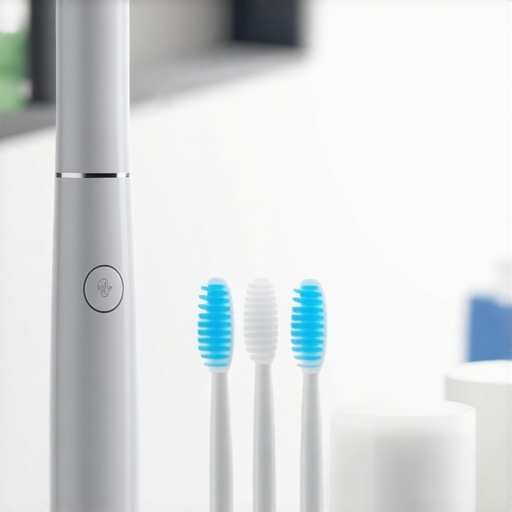
Incorporating state-of-the-art tools like intraoral scanners and digital impression systems has transformed the way we plan and maintain dental restorations. These innovations enable precision and early intervention, reducing long-term complications. For a more detailed look into how technological advances are shaping family dentistry, visit this resource.
Start by evaluating your current tools and routines—consider upgrading your toothbrush or exploring remote monitoring apps. A small investment here can yield significant dividends in your oral health investment.
Lessons That Changed My Approach to Family Smiles
- I realized that even seemingly minor concerns, like persistent sensitivity or chipped teeth, can be signals of underlying issues that need proactive attention. Waiting for problems to become painful only complicates care later.
- Choosing the right family dentist isn’t just about convenience—it’s about building a relationship with a professional who stays updated on the latest tech, like digital impressions or laser therapies, to keep everyone’s oral health optimized.
- I learned that trusting widespread myths, such as crowns lasting forever or Invisalign being suitable only for minor corrections, could lead to costly regrets. Personal research and expert guidance are invaluable.
- Preventive strategies, like regular fluoride applications and sealants, significantly extend the lifespan of dental restorations and protect against decay—saving time and money in the long run.
Tools and Resources That Transformed Our Routine
- High-Quality Interdental Brushes: I personally swear by Hydrion Interdental Cleaners—they reach tight spaces better than floss alone, especially around crowns and veneers, making home care more effective.
- Digital Monitoring Apps: Tools like Dental Monitoring connect me directly with my dentist, catching potential issues early. They give peace of mind and encourage consistent routines.
- Trusted Educational Sites: Online resources like Top Oral Health Tips have empowered my family with practical advice tailored for busy lives and evolving technology.
- The Latest Dental Books: Reading authoritative guides has broadened my understanding of options like crown materials and modern aligner technology, helping me ask smarter questions during visits.
Embrace the Power of Your Smile Today
The journey to a healthier, more confident family smile doesn’t require overnight change—just committed steps grounded in knowledge and proactive care. Whether it’s choosing smarter snacks, investing in advanced protective measures, or simply maintaining routines with trusted tools, the difference is profound. Remember, your dedication today crafts the bright, healthy smiles your loved ones deserve. Ready to make that move? Share your stories or questions below—you’re not alone on this path to better oral health.