
The reason your tongue stays white even if you brush it every day
I remember the moment clearly. I had just finished brushing my teeth, feeling proud of my routine, only to glance at my tongue and be greeted by a stubborn white coating. It was frustrating — I thought brushing should take care of everything, right? But that white tinge persisted, and I couldn’t shake the feeling that I was missing something crucial. If this sounds familiar, you’re not alone. Many people find that despite diligent brushing, their tongues still seem coated with a white film.
Getting to the Root of the White Tongue
It turns out that the cause isn’t just about hygiene. Our tongues can develop a white coating due to various reasons — from harmless buildup of bacteria and dead cells to more complex issues like dehydration, smoking, or even fungal infections. Understanding why this coating appears is the first step toward tackling it effectively.
Am I Overlooking the Basics?
One common mistake I made early on was assuming that brushing my tongue would magically fix the problem. But I was neglecting to use a proper tongue scraper or to clean my entire oral environment thoroughly. Regular toothbrushes often aren’t enough to remove that stubborn film. If you’re facing this issue, it might be time to incorporate a dedicated tongue scraper into your routine. For more tips on maintaining a healthy mouth, check out [top oral health tips for your family’s bright smiles](https://familydentistpro.com/top-oral-health-tips-for-your-familys-bright-smiles).
Additionally, staying well-hydrated plays a critical role. Dehydration can cause dry mouth, which, in turn, promotes bacterial growth and a white coating. Ensuring you drink plenty of water throughout the day can help keep your oral landscape balanced.
But what if these simple steps don’t resolve the problem? That’s when it’s wise to consider underlying health factors or consult with a dental professional. Sometimes, persistent white coatings indicate issues like oral thrush or other conditions that require targeted treatment.
Have you ever experienced this kind of persistent coating despite brushing? If so, don’t worry — it’s a common concern, and there are practical solutions. In the next sections, I’ll guide you through effective strategies and when to seek professional advice. But first, let’s address some common doubts and fears about this issue.
Choose the Right Tool for the Job
Start by picking a high-quality tongue scraper instead of relying solely on your toothbrush. I once grabbed a cheap plastic scraper at a local pharmacy, thinking it wouldn’t matter. After a few days of use, I noticed a significant reduction in my tongue’s white coating. Remember, a dedicated tongue scraper is designed to remove debris more effectively than a toothbrush. Look for one with gentle, rounded edges to prevent irritation and ensure comfort.
Master the Proper Technique
Hold the scraper with a firm but gentle grip, and start at the back of your tongue. Gently press and pull forward, avoiding excessive scraping pressure. I made the mistake of scraping too hard during my first try, which led to minor soreness. Use smooth, wide strokes to cover the entire surface, especially the areas prone to coating. Rinse the scraper after each pass to remove accumulated debris. Regular use, about twice daily, maximizes results and promotes a healthier oral environment.
Incorporate Mouth Rinses for Boosted Cleanliness
After scraping, rinse your mouth with an antimicrobial mouthwash containing chlorhexidine or essential oils. These help eliminate leftover bacteria and freshen your breath. I found that swishing for 30 seconds twice a day keeps the microbial load in check, especially if you’re prone to persistent coatings. Be cautious with mouthwashes containing alcohol, as they can dry out your mouth and exacerbate the problem. For holistic tips, visit top oral health tips.
Stay Hydrated and Maintain a Consistent Routine
Dehydration often leads to dry mouth, which fosters bacterial buildup. Make drinking sufficient water a daily habit. Personally, I set reminders on my phone to drink water every hour during workdays. Consistency in your tongue cleaning routine enhances the effectiveness over time. Skipping days can allow bacteria and dead cells to accumulate, undoing your previous efforts.
Adjust Lifestyle Habits for Long-Term Success
Limit smoking and reduce alcohol consumption, as these habits dry out your mouth and worsen coating issues. Also, watch your diet; too many sugary or processed foods can feed harmful bacteria. Incorporate crunchy fruits and vegetables, which naturally help clean your tongue and teeth while providing essential nutrients. For specific guidance on maintaining a healthy smile, explore oral health tips.
When to Seek Professional Help
If the white coating persists despite your diligent efforts, consult a dentist. Persistent buildup may indicate underlying conditions like fungal infections or other health issues. During my own experience, a professional examination revealed a mild case of oral thrush, which required medicated treatment. Regular dental check-ups ensure that your routine remains effective and catches any potential problems early.
Many patients assume that brushing and flossing are all it takes to maintain a healthy smile, but the reality is far more nuanced. One common misconception is that **more aggressive cleaning always leads to better oral health**. In fact, over-brushing can cause gum recession and enamel wear, ironically increasing sensitivity and vulnerability to decay. According to a 2018 study published in the Journal of Periodontology, excessive brushing can contribute to gingival recession, exposing root surfaces and making teeth more prone to damage. Therefore, gentle, consistent cleaning is more effective and safer than harsh Scrubbing.
Why do so many believe that a perfect smile is just about cosmetic procedures?
This myth often leads individuals to seek quick fixes like veneers or whitening without addressing underlying issues. For instance, relying solely on whitening treatments can weaken enamel if not properly managed, causing increased sensitivity and staining in the long run. Clinical guidance from specialists stresses the importance of comprehensive care—focusing on both function and aesthetics. For example, crowns are not just about restoring appearance but also about protecting damaged teeth from further harm, which you can read more about here.
Another pitfall involves misconceptions surrounding Invisalign. Many believe it’s only for minor alignment issues, but modern innovations make Invisalign suitable for a wide range of complexities. An advanced understanding reveals that **early intervention using Invisalign can prevent more invasive procedures later**. Misjudging the potential of clear aligners may delay treatment, leading to more pronounced misalignments that require traditional braces or even crowns. To separate fact from fiction, explore my in-depth analysis of Invisalign myths here.
Be cautious of the trap where patients think all dental restorations are permanent or fail-safe. Many underestimate the importance of choosing skilled practitioners for crowns or bridges, not just for aesthetic matching but for longevity and oral health. Errors like improper fitting can lead to bacterial buildup, decay, and even systemic infections. The devil is in the details, and selecting the right specialist ensures your restoration functions seamlessly over time.
What about the common belief that flossing is optional? Evidence shows that daily flossing significantly reduces plaque and gingivitis. Neglecting it can lead to gum disease, which often goes unnoticed until it causes serious issues like tooth loss. Learning the correct flossing technique lowers risks and enhances overall outcomes. Want to improve your routine? Check out expert-reviewed oral health tips at these tips.
Ultimately, the key lies in understanding that **oral health is a complex interplay of habits, technology, and biological factors**. Relying solely on myths or superficial solutions can hinder long-term success. Stay informed, choose qualified professionals, and question assumptions—your smile will thank you. Have you ever fallen into this trap? Let me know in the comments.Maintaining optimal oral health requires investing in the right tools and adopting effective techniques that stand the test of time. Over the years, I’ve curated a selection of equipment and methods that have significantly improved my routine and long-term results. One essential piece of equipment I highly recommend is a high-quality electric toothbrush with oscillating-rotating movements, like the Sonicare DiamondClean. Its speed and design provide a deeper clean compared to manual brushes, effectively removing plaque from hard-to-reach areas and reducing the risk of gum disease. I use it twice daily, ensuring my brushing reaches every corner and surface, which is vital for sustained oral health.
For tongue cleaning, I prefer a stainless steel tongue scraper over plastic options. Stainless steel is durable, more hygienic, and provides a smoother glide that minimizes discomfort. Personally, I incorporate a gentle scraping motion from back to front after brushing, which helps dislodge coated debris and bacteria. Regular use of this tool has kept my tongue noticeably cleaner and my breath fresher.
Mouth rinses are another crucial element. I’ve found that an alcohol-free antimicrobial rinse containing chlorhexidine, like Corsodyl, effectively reduces bacterial buildup without drying out my mouth. After scraping my tongue and brushing, swishing with such a rinse provides an added layer of protection and aids in maintaining the microbial balance essential for long-term health.
Embracing modern technology can make a real difference. Apps like Oral-B’s My Dental Care facilitate tracking your brushing and flossing habits, offering reminders and feedback to ensure consistency. This digital support encourages adherence to routines, which is often the missing link in long-term maintenance.
Looking ahead, trends like UV toothbrush sanitizers and smart oral health monitoring devices are poised to become standard. These innovations promise to keep your tools bacteria-free and provide personalized insights that adapt to your habits.
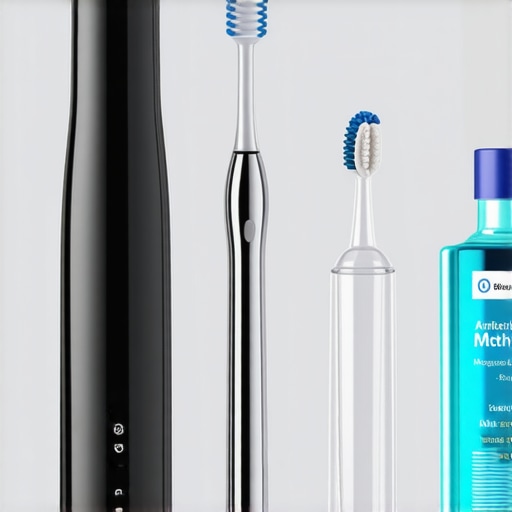
**How do I maintain oral health over the long term?** Making a habit of replacing your toothbrush every three months is fundamental. Additionally, scheduling semi-annual dental checkups ensures early detection of issues and keeps you aligned with expert guidance. For insights on ongoing family dental care, visit our top tips. Don’t forget to try a high-quality electric toothbrush and integrate flossing with innovative tools like water flossers or floss picks. These small investments and habits can create a lasting impact on your smile’s durability.
The Hardest Lesson I Learned About oral health,family dentistry,crowns,invisalign
Patience is key. Early on, I believed that quick fixes or brushing a little harder would resolve every dental concern. However, I discovered that consistent, gentle routines and understanding your body’s signals lead to lasting results.
3 Myths About oral health,family dentistry,crowns,invisalign That Held Me Back
- Believing that all white tongue coatings are.signs of poor hygiene prevented me from seeking professional help, delaying accurate diagnosis and treatment.
- Thinking that Invisalign is only for minor corrections made me overlook its full potential to improve complex misalignments, resulting in longer treatment times.
- Assuming crowns are purely aesthetic led me to undervalue their role in protecting damaged teeth, risking further decay without proper restoration.
What Experts Won’t Tell You About oral health,family dentistry,crowns,invisalign
Many professionals emphasize that holistic oral health involves mindful habits and proper tools. Investing in quality equipment like a Sonicare DiamondClean toothbrush and a stainless steel tongue scraper genuinely transformed my routine, offering insights I couldn’t find in generic advice.
My Essential Toolkit for oral health,family dentistry,crowns,invisalign
- Electric Toothbrush: A high-quality model ensures deep, gentle cleaning, saving your enamel and gums from unnecessary wear.
- Stainless Steel Tongue Scraper: Durable, hygienic, and more effective than plastic alternatives in removing bacterial buildup.
- Antimicrobial Mouthwash: An alcohol-free rinse like Corsodyl provides an extra layer of defense against bacteria, maintaining fresher breath.
- Smart Monitoring Apps: These tools encourage consistency and help track your oral care habits, making long-term maintenance manageable and even enjoyable.
Don’t Wait to Shine Brighter
Remember, your smile is a reflection of your overall health and confidence. Embracing smart habits, choosing the right tools, and seeking professional guidance when needed will empower you on your journey to lasting oral wellness. Your future self will thank you for prioritizing your oral health today.
What has been your biggest breakthrough in improving your oral health? Share your experience below—I’d love to hear your story!
,