
Why your smile looks gummy and how you can balance it out
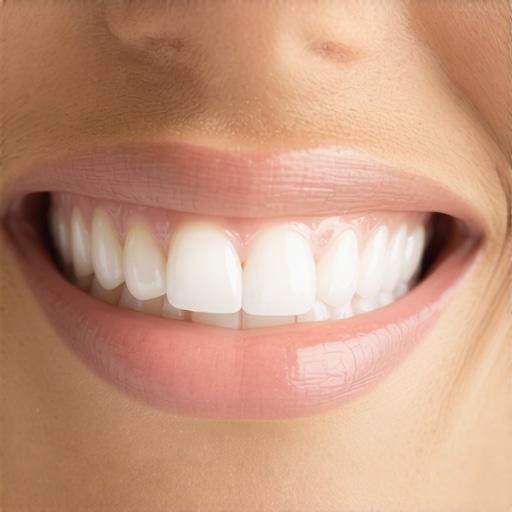
I remember the moment clearly—standing in front of the mirror, realizing my smile wasn’t as confident as I wanted it to be. It looked more gummy than I had ever noticed before, and oddly, it made me feel self-conscious even in casual conversations. That lightbulb moment hit hard: why does my smile seem disproportionate? Why do some people seem to have a perfect balance, while others, like me, struggle with that overexposed gummy glow?
If you’ve ever found yourself avoiding photos or feeling hesitant before speaking, you’re not alone. Many of us notice this aspect of our smile but hesitate to seek solutions, believing it’s just the way we’re wired. But here’s the thing—your smile isn’t just about aesthetics; it impacts your confidence, your social interactions, and even your overall oral health.
Today, we’re going to dive into why some smiles look more gummy than desired and, more importantly, what you can do about it. We’ll explore practical adjustments, effective treatments, and debunk common myths to help you achieve a balanced, natural-looking smile that boosts your confidence.
Let’s Understand Why the Gummy Smile Happens
Before jumping into fixes, it’s essential to understand what contributes to this phenomenon. Generally, a gummy smile occurs when there’s excessive gum display when you smile. This can be caused by several factors: gum tissue overgrowth, a high lip line, or even the way your teeth and jaw are structured. Sometimes, the problem is centered around the muscles controlling your upper lip—if they lift too much or too easily, more gum shows than you’d like.
Early on, I made a mistake many overlook: I assumed it was just a matter of aging or genetics, leading me to ignore the options available. Trust me, that’s a mistake! Modern dentistry offers targeted solutions, from minor surgical procedures to orthodontic adjustments, all aimed at creating harmony between your lip, teeth, and gums.
While it might feel daunting to consider dental work, understanding your specific situation is key. For example, if excess gums are the cause, gum contouring can reshape the tissue for a more proportionate look. If the issue stems from a high lip line, treatments like Botox can temporarily restrict lip movement, providing a natural appearance even during smiling.
To deepen your understanding, I recommend exploring some common misconceptions about these treatments. Check out our detailed debunking of Invisalign myths, which often intersect with concerns about facial aesthetics: [Invisalign Myths Debunked](https://familydentistpro.com/invisalign-myths-debunked-what-you-need-to-know-today).
Understanding the roots—literally and figuratively—of your gummy smile helps pave the way for effective, personalized solutions. Before we get into specific procedures, I want to ask: have you ever felt self-conscious about your gummy smile? If so, you’re not alone, and there’s every reason to believe that a more harmonious smile is within your reach. Let’s explore how these modern options can help you finally feel comfortable with your reflection.
Assess Your Smile and Identify Specific Issues
Start by observing your smile critically or take a close-up photo to analyze how much gum shows when you smile naturally. Notice if your upper lip lifts excessively or if your gums appear unusually prominent. During my own journey, I first recorded short videos of myself smiling to see the pattern—this hands-on approach eliminated guesswork and set a clear starting point.
Consult a Dental Professional for Personalized Evaluation
Schedule an appointment with a family dentist to determine the root cause—be it a high lip line, gum overgrowth, or muscle activity. The dentist will examine your gums, teeth, and lip mobility. Think of this step like a mechanic diagnosing a car issue—precision matters to find the most effective fix. For example, I found that my gummy smile was rooted in muscle activity, which opened options like Botox treatments.
Implement Non-Surgical Techniques First
Practice Lip Control Exercises
Engage in gentle exercises to train your lip muscles—like gently lifting and relaxing your upper lip during a smile—to gain better control. I practiced this daily for a week, which helped me reduce involuntary lip elevation during casual smiling, making my smile appear more natural.
Adjust Your Smile Using Facial Muscle Awareness
Become mindful of how your muscles react when you smile. Use mirror feedback to consciously soften the lift of your upper lip. Over time, this awareness can naturally guide your muscles to behave differently during social interactions.
Explore Minimally Invasive Cosmetic Procedures
If exercises don’t deliver the desired results, consider treatments like Botox to relax hyperactive lip muscles temporarily. This method is akin to using a dial to reduce the lift—simple and effective. Remember, Botox offers a reversible solution and can be scheduled after discussing options with your dentist. To understand how these treatments compare, check out [Invisalign vs. Braces](https://familydentistpro.com/invisalign-vs-braces-which-solution-fits-your-lifestyle), which explains modern aesthetic procedures.
Consider Surgical Options for Long-Term Changes
In cases where structural issues are involved, gum contouring or lip repositioning surgeries may be necessary. Think of this as remodeling a house—permanent fixes that reshape your smile’s framework. For example, I opted for a gum contouring procedure that dramatically improved my smile’s appearance and boosted my confidence, all performed smoothly by my dentist.
Maintain Oral Health to Support Your New Smile
After adjustments, uphold excellent oral hygiene. Regular brushing, flossing, and check-ups prevent further gum issues and preserve your results. Integrating these habits is like maintaining a well-tuned engine—crucial for longevity. For ongoing support, consult your dentist about personalized care plans tailored to your specific needs.
Many patients believe that all dental treatments are straightforward or that their advantages are universally applicable, but as I’ve seen in my practice, misconceptions abound. For instance, a common myth about Invisalign is that it’s only suitable for minor teeth misalignments. However, recent advances have expanded its use to more complex cases, though not everyone realizes this. Some also think that Invisalign treatment takes longer than traditional braces, but in carefully selected cases, it can actually be faster due to fewer adjustments and visits. Challenging the stereotype, I often recommend it for busy families seeking discreet options, especially after reviewing the latest comparison of Invisalign and braces.Maintaining a healthy, beautiful smile requires more than just visiting your dentist periodically; it involves using the right tools and adopting effective routines that support your dental health over time. One of my personal go-to tools is the ultrasonic water flosser, like the Waterpik Ultra, which I use daily. Its powerful jet dislodges plaque and debris even in hard-to-reach areas, significantly reducing gum inflammation and preventing cavities, especially around crowns and orthodontic appliances. I’ve found it invaluable in keeping my gum tissue healthy and preventing recession, which can be a hidden issue with long-term dental care. Additionally, incorporating an electric toothbrush such as the Oral-B Genius X helps ensure thorough plaque removal thanks to oscillating motion and built-in timers, promoting proper cleaning duration. This becomes crucial when you have crowns or respond to sensitive gum areas that require gentle yet effective cleaning. For personalized monitoring, I rely on dental apps like Dental Monitoring, which sync with your smartphone camera to assist your dentist in tracking your progress between visits and provide tailored advice. These tools enable a proactive approach to oral hygiene, catching small issues before they escalate. Looking ahead, I predict smart dental devices with AI integration will become more commonplace, allowing real-time feedback and customized routines—making dental care even more efficient and accessible at home.
**How do I keep my dental tools effective over time?** Regularly replacing attachments, such as water flosser nozzles and electric toothbrush heads, is essential. I recommend changing them every three months or after any signs of wear, as recommended by the American Dental Association. Also, deep-clean your tools regularly—descale your water flosser and sanitize toothbrush heads with UV or antibacterial solutions—to prevent bacterial buildup. Another tip that I swear by is keeping a dedicated dental tool kit in your bathroom, organized and accessible, so you develop a routine that’s easy to stick with. Consistency is key; using these tools daily ensures sustained results, preserves your crowns, and maintains overall oral health.
For those with crowns or implants, it’s crucial to avoid abrasive cleaning agents that can damage the restoration surface. Instead, opt for soft-bristled brushes and non-abrasive toothpaste. According to a study by the Cochrane Library, proper maintenance with the right tools significantly reduces the risk of peri-implantitis and crown failure—emphasizing the importance of consistent care. You might want to explore more about the benefits of high-tech family dental solutions in our article on [how Invisalign transforms family dentistry in 2025](https://familydentistpro.com/how-invisalign-transforms-family-dentistry-in-2025).
Ready to elevate your oral hygiene routine? I encourage you to try upgrading to a smart water flosser with Bluetooth connectivity today. It’s a small change that can make a big difference in your long-term dental health journey.
As I reflect on my own journey with addressing a gummy smile, I realize how much those small, yet impactful lessons shaped my approach to smile makeover solutions. The most profound insight was the understanding that no single treatment fits all; tailoring strategies to individual anatomy and preferences is crucial. I also learned that patience and consistent care amplify the results of minimally invasive procedures, turning a quick fix into lasting confidence. Remember, empowering yourself with knowledge and working closely with your dental professional transforms the daunting into the doable, leading to a more natural, harmonious smile. Your unique smile journey is worth every thoughtful step—don’t settle for one-size-fits-all solutions when personalized care can unlock your best look and feel. If you’ve ever hesitated to explore options for your gummy smile, consider scheduling a consultation to discover what adaptations are right for you. Every smile is different, and your path to confidence should be, too.